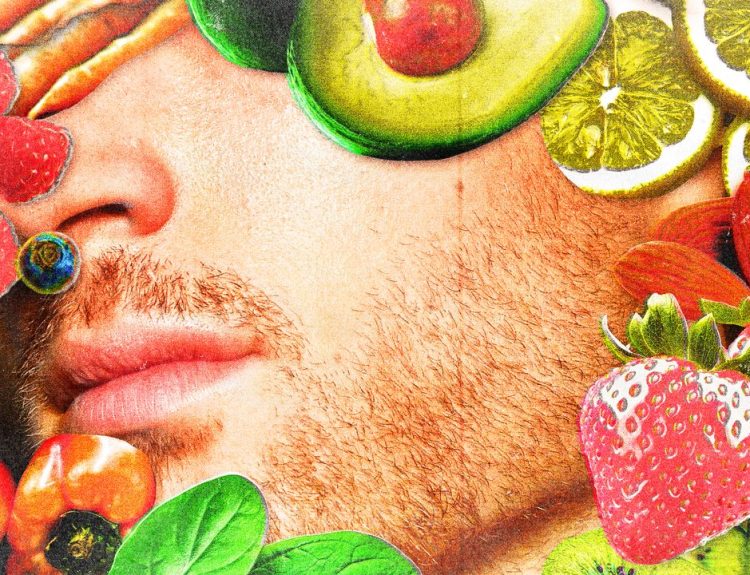
Probiotics have gained significant attention in grocery stores and online platforms, largely due to an increasing body of research that emphasizes the role of a healthy gut microbiome. This complex ecosystem of bacteria and other microorganisms is essential for regulating digestion, metabolism, and immune health.
Studies indicate that disruptions to this delicate balance—caused by stress, antibiotics, illness, or a diet heavy in processed foods—can lead to various health issues. Probiotics may help alleviate these concerns by offering numerous health benefits, including enhanced mood, bolstered immunity, and improved cardiovascular health, according to Christine Palumbo, a registered dietitian and nutrition expert from Chicago.
This article explores the nature of probiotics, their beneficial effects, and how to incorporate them into your daily diet.
What is a Probiotic?
Probiotics are living, beneficial microorganisms that maintain the balance of organisms in your gastrointestinal tract. “Consider them as friendly bacteria that our digestive system thrives on,” explains Palumbo. They also help crowd out harmful bacteria, fostering a diverse gut environment.
On the other hand, prebiotics are not bacteria but rather specific types of nondigestible fibers that “nourish the good bacteria already present in your gut,” states LeeAnn Weintraub, a registered dietitian and nutrition consultant based in Los Angeles. Essentially, probiotics introduce beneficial microorganisms, while prebiotics allow them to grow and flourish.
As many people do not consume sufficient probiotics, which are found in a limited selection of foods, Palumbo suggests striving to include them in our daily intake whenever possible.
Furthermore, lifestyle factors such as stress, antibiotic use, and unbalanced diets can diminish gut microbial diversity. This can lead to digestive troubles and weakened immune responses, cautions Weintraub.
Feeling stressed? Discover tips to reduce stress in your daily life!
What Foods Contain Probiotics?
Several traditional foods naturally offer probiotics. “You can find them in yogurt with live cultures, kefir, and refrigerated sauerkraut and pickles,” notes Palumbo. Other fermented foods that provide probiotics include tempeh, kimchi, miso, and specific brands of cottage cheese. Fermented beverages like kombucha and cultured dairy drinks are also good sources.
However, not every fermented food contains live cultures, making label reading crucial. “Opting for unpasteurized or live-culture options ensures that beneficial bacteria remain active for gut health,” advises Weintraub. It’s worth noting that unpasteurized foods can carry the risk of containing pathogens responsible for foodborne illnesses.
For those who find it challenging to obtain sufficient probiotics through food alone, Palumbo suggests considering probiotic supplements available at drugstores.
Noted: Discover the four ‘key minerals’ that make cottage cheese a healthy choice!
Are Probiotics Good for You?
Increasing your probiotic intake is generally beneficial, as research indicates they positively impact various health aspects. For instance, “these friendly bacteria help maintain a healthy balance in your digestive system,” affirms Palumbo.
“They also enhance digestion,” she continues, by breaking down certain carbohydrates, supporting short-chain fatty acid production, and reinforcing the intestinal barrier. Consequently, “probiotics can help prevent diarrhea, whether caused by travel or antibiotics,” Palumbo notes. They are also effective in “alleviating issues such as bloating and constipation,” says Weintraub.
Additionally, probiotics contribute to immune function, may produce certain vitamins, and could even influence mental well-being by reducing stress or mild anxiety.
Emerging studies indicate that probiotics might also enhance insulin sensitivity and help mitigate inflammation—key factors in metabolic health, weight management, and the prevention of type 2 diabetes, according to Palumbo.
Nevertheless, individuals with compromised immune systems, severe underlying health issues, or those on immunosuppressive medications should be cautious when consuming probiotics due to the rare risk of infection. Consulting a healthcare professional before taking high-dose supplements is advisable.
With careful consideration, “probiotics offer a straightforward way to maintain a balanced gut, enhance digestion, and fortify your immune system,” remarks Weintraub. Regularly incorporating them into your diet promotes a healthy microbiome, which can contribute to overall well-being, from gut health to mental clarity.
This article originally appeared on USA TODAY: What do probiotics do? Nutritionists explain.