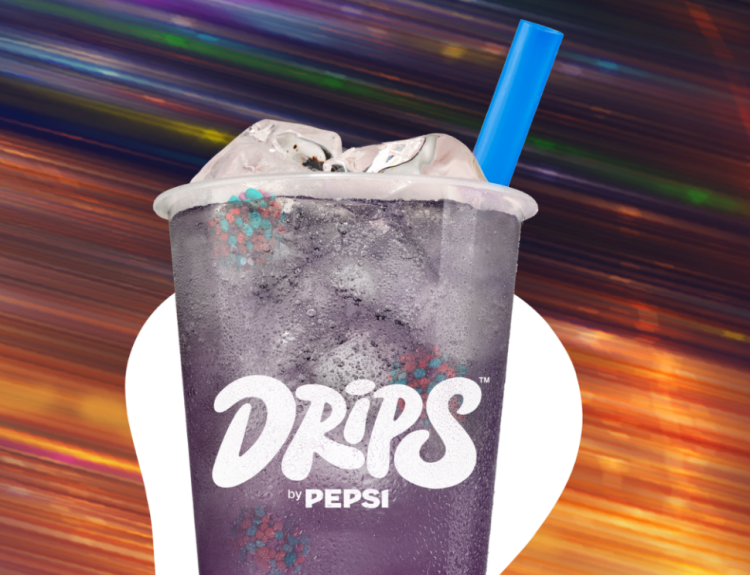
Recent research sheds light on the concerning relationship between sugary drinks and anxiety in teenagers. As the prevalence of anxiety disorders rises among adolescents, understanding the potential role of diet, specifically sugary beverages, is increasingly important.
Study Overview
A meta-analysis published in the Journal of Human Nutrition and Dietetics investigated various studies conducted between 2000 and 2025 to explore the connection between sugar-sweetened beverages—such as sodas, energy drinks, and sweetened juices—and anxiety disorders in adolescents aged 10 to 19.
The findings indicated that teenagers who consumed higher quantities of sugary drinks faced approximately a 34% increased risk of developing anxiety disorders compared to their peers who consumed less.
Among the nine studies analyzed, seven demonstrated a significant correlation between sugary drink consumption and anxiety symptoms.
Expert Insights
Dr. Chloe Casey, co-author of the study and a lecturer in nutrition at Bournemouth University, noted, “With increasing concern about adolescent nutrition, most public health initiatives have emphasized the physical consequences of poor dietary habits, such as obesity and type 2 diabetes. However, the mental health implications of diet have been under-explored, particularly concerning energy-dense and nutrient-poor beverages.”
It’s essential to highlight that the study’s observational nature does not confirm a direct cause-and-effect relationship. There is still a lack of clarity regarding whether sugary drinks lead to anxiety or if anxious teens are more likely to consume them.
“While we may not be able to confirm at this stage what the direct cause is, this study has identified an unhealthy connection between the consumption of sugary drinks and anxiety disorders in young people,” Casey stated.
Trends in Adolescent Health
Recent data reveals a significant rise in anxiety disorders among adolescents. According to the Centers for Disease Control and Prevention, around 11% of American children aged 3 to 17 were diagnosed with anxiety between 2022 and 2023.
“Anxiety problems, behavioral disorders, and depression are the most commonly diagnosed mental disorders in children,” the agency reports.
Registered dietitian nutritionist Ilana Muhlstein highlighted that sugary beverages can lead to rapid blood sugar spikes, followed by crashes that may mimic feelings of anxiety. “Soda, or liquid sugar, floods the bloodstream rapidly and can lead to physiological changes that look and feel like anxiety,” she explained.
Muhlstein noted a concerning trend; adolescents are increasingly swapping soda for oat milk lattes and syrup-laden coffee drinks, which may pose similar risks due to excessive sugar content.
The impact of high sugar intake extends beyond anxiety, potentially affecting weight, sleep quality, acne, and emotional regulation, which can be exacerbated by caffeine intake.
Holistic Perspectives on Nutrition
Serena Poon, a certified nutritionist and founder of Wholistic Lifestyle Medicine, emphasized that food and beverages significantly influence overall health. “They provide essential information to the body and brain,” she remarked.
Poon pointed out that sugary drinks can lead to energy spikes followed by crashes, heightening stress responses, particularly when caffeine is involved. She recommends parents encourage their children to decrease sugary beverage consumption in favor of water, herbal teas, or sparkling water to promote better energy stability.
Moreover, balanced meals rich in fiber, healthy fats, and proteins are vital in regulating blood sugar, which can affect mood and concentration. Poon stressed the importance of supporting teens with a balanced diet during adolescence, a critical period for brain development.
Key Takeaways
- Higher consumption of sugary drinks is correlated with increased anxiety risk in teenagers.
- Seven out of nine studies indicated a significant association between sugary drink intake and anxiety symptoms.
- Expert opinions suggest that the psychological impact of diet is often overlooked in public health discussions.
- It’s crucial to encourage balanced nutrition and hydration among adolescents to support their mental health.
FAQ
How do sugary drinks affect mental health in teens?
Research indicates a link between high sugary drink consumption and increased anxiety risk, potentially due to blood sugar spikes and crashes.
What are healthier alternatives to sugary beverages for teens?
Options such as water, herbal teas, or sparkling water can provide hydration without the added sugars found in soda.
Can dietary changes improve mood in teenagers?
Yes, balanced nutrition including fiber, healthy fats, and proteins can help stabilize mood and energy levels.
Conclusion
As anxiety disorders continue to rise among teenagers, the role of diet, particularly sugary beverages, cannot be ignored. Encouraging healthier drink choices and balanced nutrition is essential for the physical and emotional well-being of adolescents.