Starting a new fitness routine often feels like a fresh beginning—especially on a Monday. We get excited, pack our gym bags, and set ambitious goals. However, for many, that initial enthusiasm diminishes all too quickly, often before the month is out. This is a common challenge, but understanding the root causes can help us stay on track.
Is it a simple lack of motivation? Research suggests that the issue is more intricate and tied to our environments and support systems. Let’s explore how we can build healthy habits more effectively by understanding our behaviors and surroundings.
Why Healthy Habits Are Hard to Stick With
Establishing healthy habits can be a significant challenge, mainly due to our biological make-up. Our brains are wired to resist changes in routine, favoring familiar comforts over the unfamiliarity of new activities. To bridge the gap between developing healthy habits and achieving long-term success, we must create a conducive fitness environment.
Many of us experience decision fatigue, which often surfaces when we have to make too many choices. After a long day, opting for a workout can be tough when the couch beckons invitingly.
The “habit loop” theory posits that specific cues in our environment trigger our behaviors. When we lack structure in our schedules, our brains don’t receive the necessary prompts to initiate action. Having vague goals, like “I want to exercise more,” leads to overwhelm as we struggle to determine the when, how, and where of our fitness journey, often leading us to do nothing at all. Recognizing the significant influence of our environments on our behaviors is crucial in helping us design lives where healthy habits become easier to adopt.
The Science of Habit Formation
How long does it take to establish a new habit? Contrary to the popular belief that it takes just 21 days, research indicates that forming a new behavior typically takes around 66 days, according to a study published in the European Journal of Social Psychology. The findings emphasize that consistency in your training environment is just as critical as the specifics of your workout plan.
How Structured Fitness Environments Aid Consistency
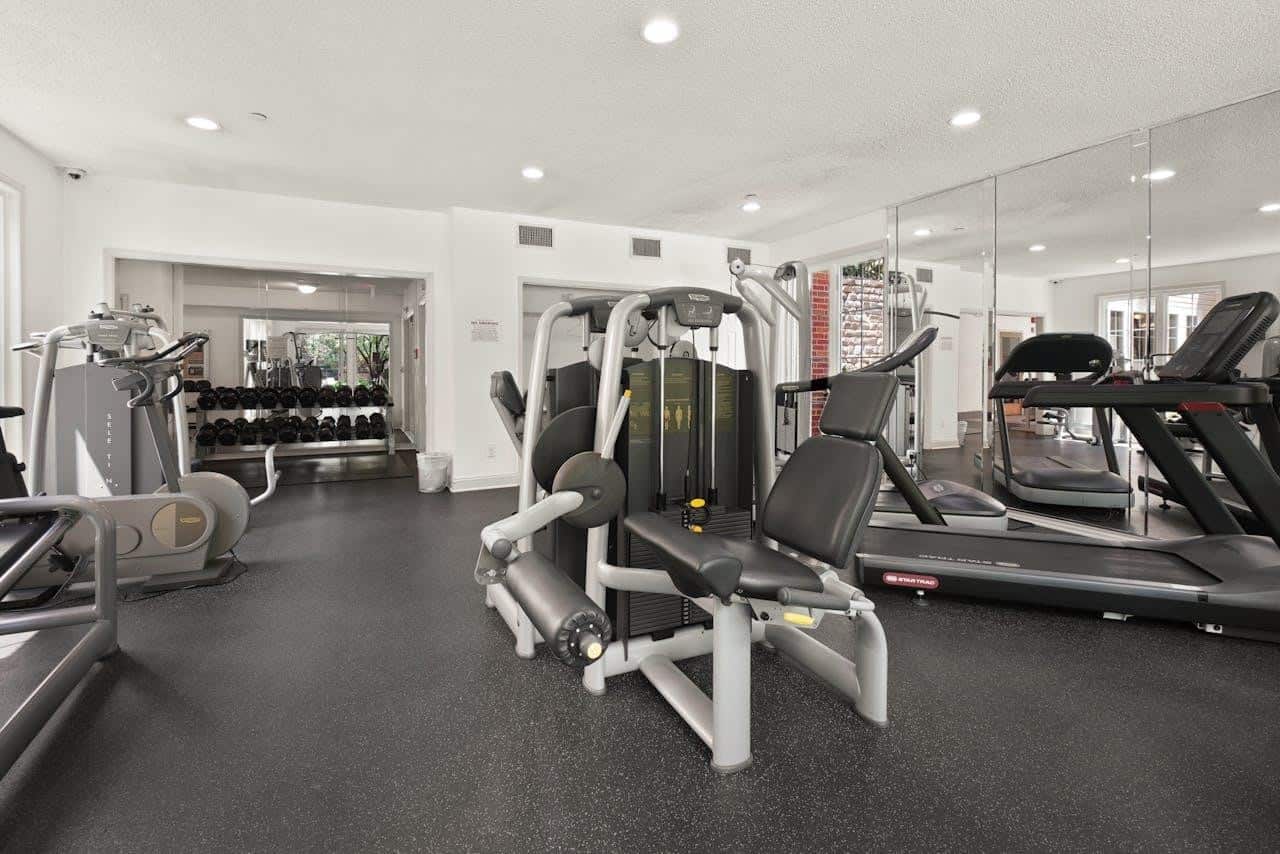
A structured fitness environment acts as a personal motivator, helping you navigate past the mental hurdles that often impede progress. Think of it as outsourcing your motivation and self-discipline.
It’s not just about having gym equipment; a well-organized environment serves as a cue that signals you are there to train, making it harder to leave without completing your workout. The World Health Organization highlights that regular physical activity is essential for long-term health, yet many people struggle to maintain this without a structured plan. A thoughtfully designed gym can facilitate a variety of workouts that foster strength, flexibility, and cardiovascular fitness, preventing you from sticking to only the comfortable and familiar exercises.
Accountability and Routine
Humans thrive on social interaction, and research supports that social support is a vital factor in maintaining adherence to workout routines. Knowing that someone is counting on you to show up can provide external accountability, helping to bridge the gap between your desire for fitness and your motivation on less enthusiastic days.

Reducing Friction in Behavior Change
Consistency in your workout environment is key. When you train in the same location with similar equipment, simply arriving at the gym can cue your mind to enter “workout mode.” This minimizes the willpower needed to kickstart your training sessions.
The Psychological Benefits of Consistent Training Environments
The advantages of a structured routine extend beyond physical fitness; they also play a vital role in mental health. Regular training is one of the effective ways to combat feelings of anxiety and depression, helping to balance stress-related hormones and boosting endorphin levels.
Moreover, consistently showing up for your workouts fosters self-efficacy—the belief in your ability to succeed. This sense of accomplishment spills over into other life areas, reinforcing your identity as someone who follows through with commitments.
Habit Stacking and Lifestyle Integration
To cultivate a lasting fitness lifestyle rather than chasing passing fads, consider “habit stacking.” This strategy allows you to layer a new habit atop an existing one, seamlessly integrating fitness into your daily routine.
Practical Strategies for Building Sustainable Fitness Habits
If you’re prepared to shift from merely trying to genuinely doing, keep these practical strategies in mind:
- Start Small: Avoid overwhelming yourself with too many changes at once. Simply focus on showing up consistently.
- Prioritize Recovery: Recovery is crucial for physical change. Neglecting it can lead to burnout.
- Track Your Progress: Maintain a journal to log workouts and energy levels. Visual feedback can significantly boost motivation.
- Focus on Functional Training: Ensure that your fitness routine incorporates strength, mobility, and cardiovascular workouts to maintain functionality as you grow older.
The Role of Environment in Long-Term Fitness Success
Ultimately, your environment greatly influences your fitness journey. A supportive environment can facilitate fitness, whereas an unsupportive one can hinder your progress.
Choosing a Fitness Environment That Supports Your Goals
As you plan for your fitness future, carefully select your environment. The number of machines and weights isn’t what matters most; instead, consider these aspects:
- Does the environment offer expert guidance to ensure your safety?
- Will you find a welcoming community that supports your goals?
- Is the location convenient enough to make it easy to stick to your routine?
A thoughtfully structured fitness setting gives you the organization and support needed to stay focused on your health objectives. If you’re looking for a dedicated fitness environment, joining a gym in Lane Cove may be a great option.

Consistency Is the Foundation of Long-Term Health
True fitness is not about quick fixes or 30-day challenges; it lies in the everyday actions we consistently take throughout the year. By leveraging the science of habits to create structured and supportive environments, we can transition from exhausting willpower to a more effortless routine. Remember, your fitness journey is a marathon, not a sprint. Focus on building a sustainable system, and your outcomes will naturally follow.