Understanding the right way to take your supplements can make a significant difference in their effectiveness, similar to skincare routines. Numerous studies and expert insights reveal that timing and food pairings are crucial for maximizing the benefits of various vitamins and minerals. We consulted with licensed medical professionals to determine the optimal times to take your supplements—ranging from B vitamins in the morning to magnesium glycinate at night.
In the Morning, on an Empty Stomach
“The first 30 minutes of the day set your metabolic baseline,” explains Dr. Jean-Marc Sobczyk, a physician specializing in integrative medicine and longevity at Hooke London. “Instead of sipping coffee, consider taking B-complex vitamins and iron.”
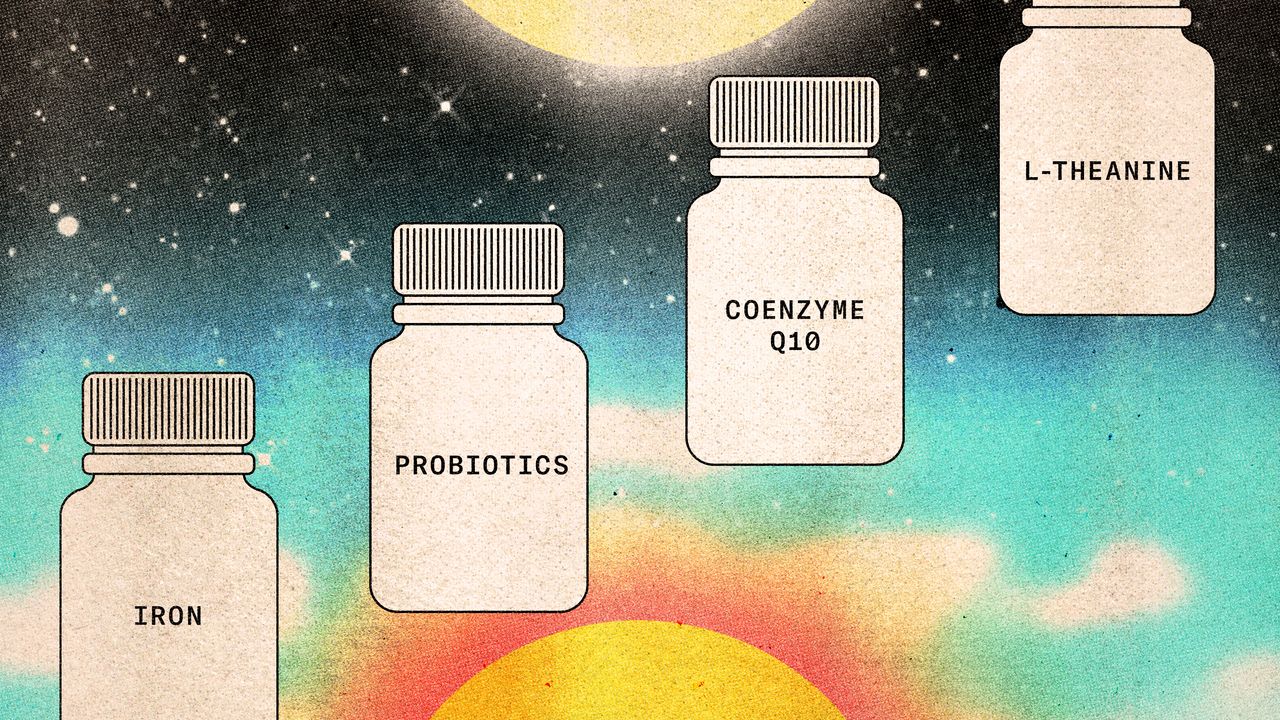
B Vitamins
B vitamins serve as “cofactors” in the process of cellular energy production, offering a boost when it’s needed most. “When taken with food, they compete for absorption with your breakfast,” says Sobczyk. “If taken on an empty stomach, they can get to work right away.”
Iron
“Iron requires particular care,” Sobczyk mentions. “A pivotal study published in 2017 Lancet Haematology changed my prescribing habits. Taking iron on an empty stomach and, importantly, every other day keeps a protein called hepcidin in check.” Hepcidin acts like a bouncer, blocking iron absorption if taken too frequently.
Rhodiola Rosea
“Taking about 200-400mg before 10 a.m. helps recalibrate your HPA (brain-adrenal glands) axis, which is essentially your body’s stress command center,” notes Sobczyk, referencing a study in the International Journal of Psychiatry in Clinical Practice. This adaptogen can help reduce stress while enhancing energy—exactly what we need in the morning.
At Lunch, with Food
Some supplements are best absorbed when consumed with food to enhance digestion.
Fat-Soluble Vitamins A, D, E, and K
“These vitamins are ineffective without dietary fats,” says Sobczyk. Make sure to include sources like oily fish, avocados, and nuts when you take these supplements. “Without fats as a transport medium, you’ll just be wasting your money.”
“While stomach acid can destroy probiotics, a meal rich in fat creates a pH buffer that significantly improves their survival,” Sobczyk clarifies. This means the food you eat plays a protective role for these beneficial bacteria.
Mid-Afternoon
Coenzyme Q10
No need to stress over pronouncing this supplement; just remember when to take it. “CoQ10 is best absorbed alongside fats and assists in cellular energy production,” explains Dr. Louise Rix, clinical lead at Unfabled. Pair it with a health bar for an energy boost to help you power through the workday.
Evening
If you work later in the day, certain supplements can enhance performance. “It’s often more effective to focus on support rather than stimulation, as caffeine in the evening can disrupt your sleep pattern,” says Rix. In other words, skip the energy drinks as night falls.