The Gym-as-a-Clinic Movement: 17 Fitness Operators Embrace GLP-1 Programs
The landscape of fitness is evolving rapidly, with a rising trend known as the “gym-as-a-clinic” model gaining traction. More fitness operators are offering programs catering to individuals utilizing weight-loss medications like GLP-1, responding to a demographic expected to reach 30 million users in the U.S. by 2030. According to a report from Inspire360, this shift is paving the way for unique programs across 17 different fitness entities.
However, the methods for integrating these medications into fitness settings vary significantly, ranging from specialized workout regimens to collaborative referral systems between clinics and gyms.
Luxury Fitness Chains Take the Lead
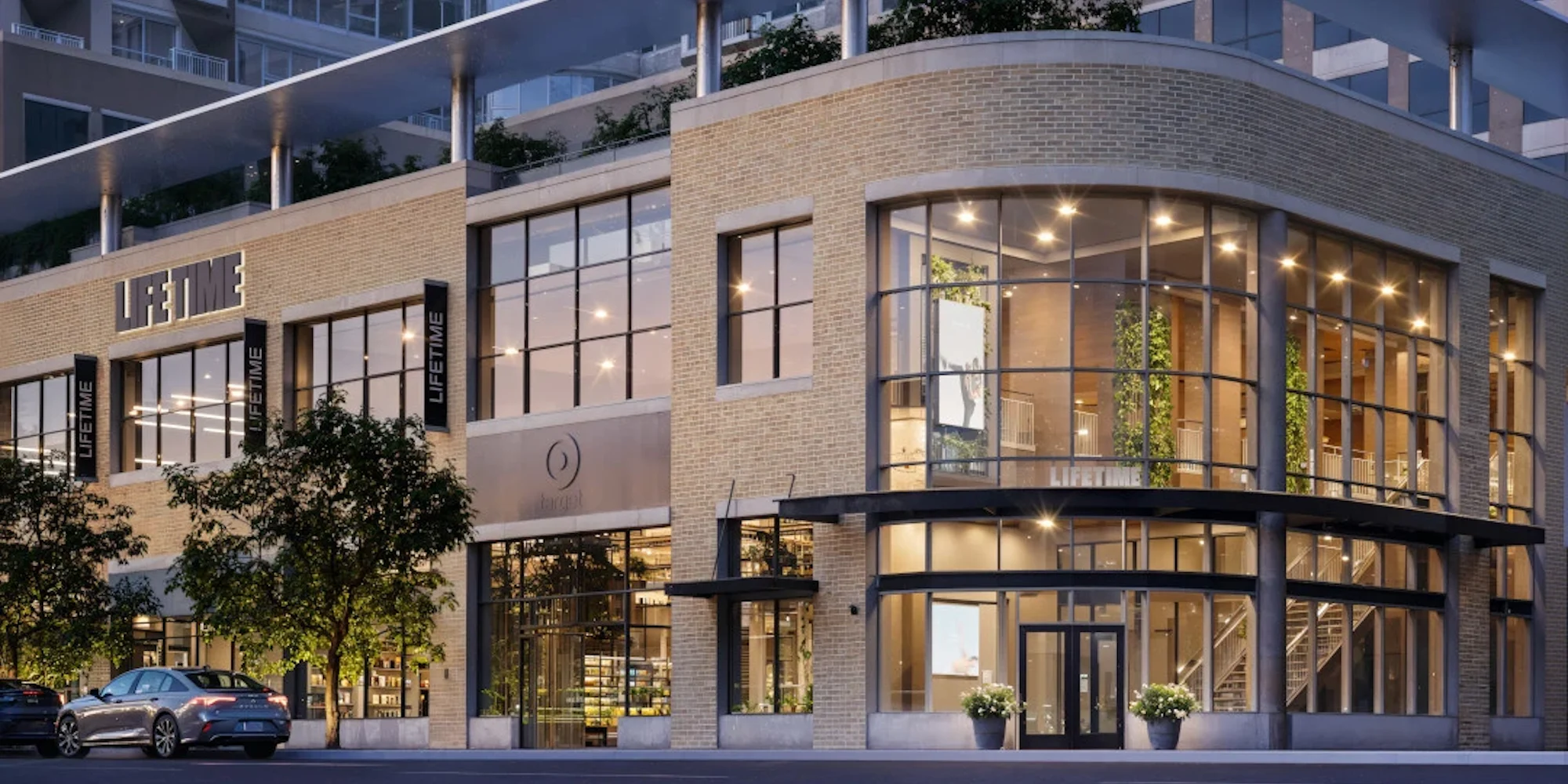
High-end fitness clubs are making considerable investments in GLP-1 programs, recognizing a promising future for these medications. Leading operators like Life Time and Equinox have begun offering prescriptions on-site, blending wellness with their traditional workout environments. This approach aligns with the growing gym-as-a-clinic trend, moving beyond standard membership offerings to include advanced health tools and recovery services.
Boutique Gyms Combine Fitness and Wellness
Boutique franchises are also entering the GLP-1 arena with diverse strategies. UFC Gym, through a partnership with NexGen MD Scientific, has introduced in-club clinics. This initiative allows members to access GLP-1, hormone replacement therapies, and peptides seamlessly alongside their regular fitness programming.
Similarly, F45 Training has launched a collaborative program with the telehealth platform Dr. B, integrating GLP-1 solutions into a bundled fitness and nutrition program, allowing both brands to benefit from shared revenue.
HVLP Operators Embrace Referrals
High-Value, Low-Price (HVLP) operators are adopting referral systems to help members access GLP-1 programs. Planet Fitness, for example, has teamed up with the GLP-1 provider Ro, providing members with referrals and discounts. This is a strategic move to tap into the significant market of GLP-1 users, as highlighted by CEO Colleen Keating.
Crunch Fitness is also joining the trend, launching a referral program in partnership with Thrive, further emphasizing the importance of connecting fitness and wellness resources.
Some Brands Remain Cautious
Not every fitness brand is jumping on the GLP-1 bandwagon just yet. Orangetheory, for example, is holding off on integrating medical services or wellness programs into its gyms, focusing instead on providing effective workouts that complement users of the medication.
Similarly, Anytime Fitness is opting for a more educational approach, emphasizing support for its staff and members through strength training, nutrition, and recovery guidance. This approach aims to empower everyone involved, ensuring that fitness professionals are well-equipped to assist members who may be using weight-loss medications.
Conclusion
The gym-as-a-clinic movement signifies a shift towards a more integrated approach to fitness and health, incorporating medical therapies like GLP-1 into traditional workout environments. While luxury clubs are leading the charge by offering various wellness services, boutique and HVLP gyms are exploring diverse methods to connect fitness and wellness. As this trend evolves, members can expect an increasingly supportive environment, whether through specialized workouts, integrated health services, or educational resources. Embracing a holistic approach might be the key to navigating the modern fitness landscape successfully.