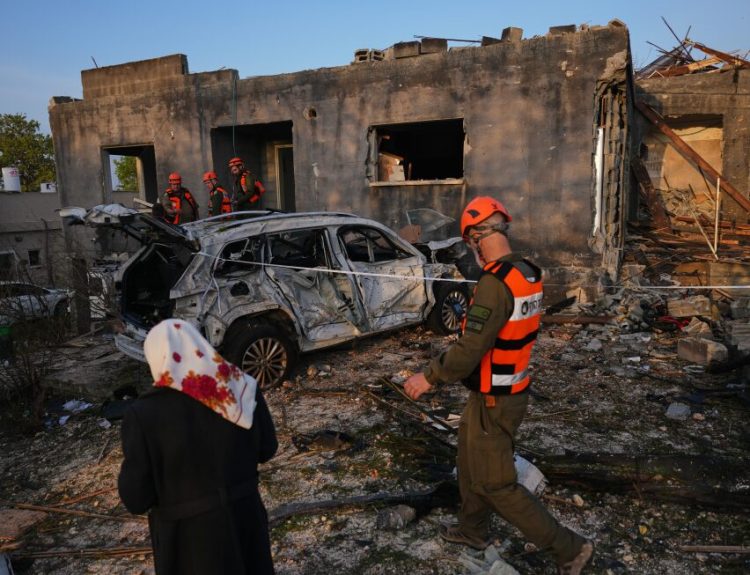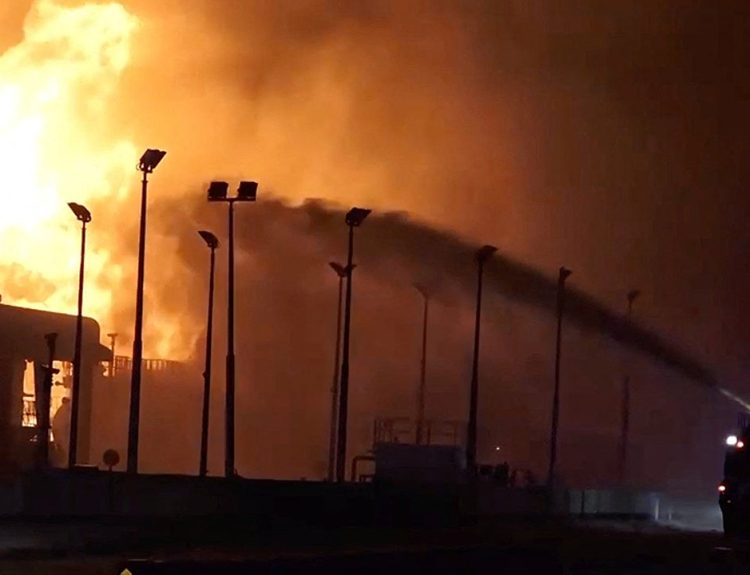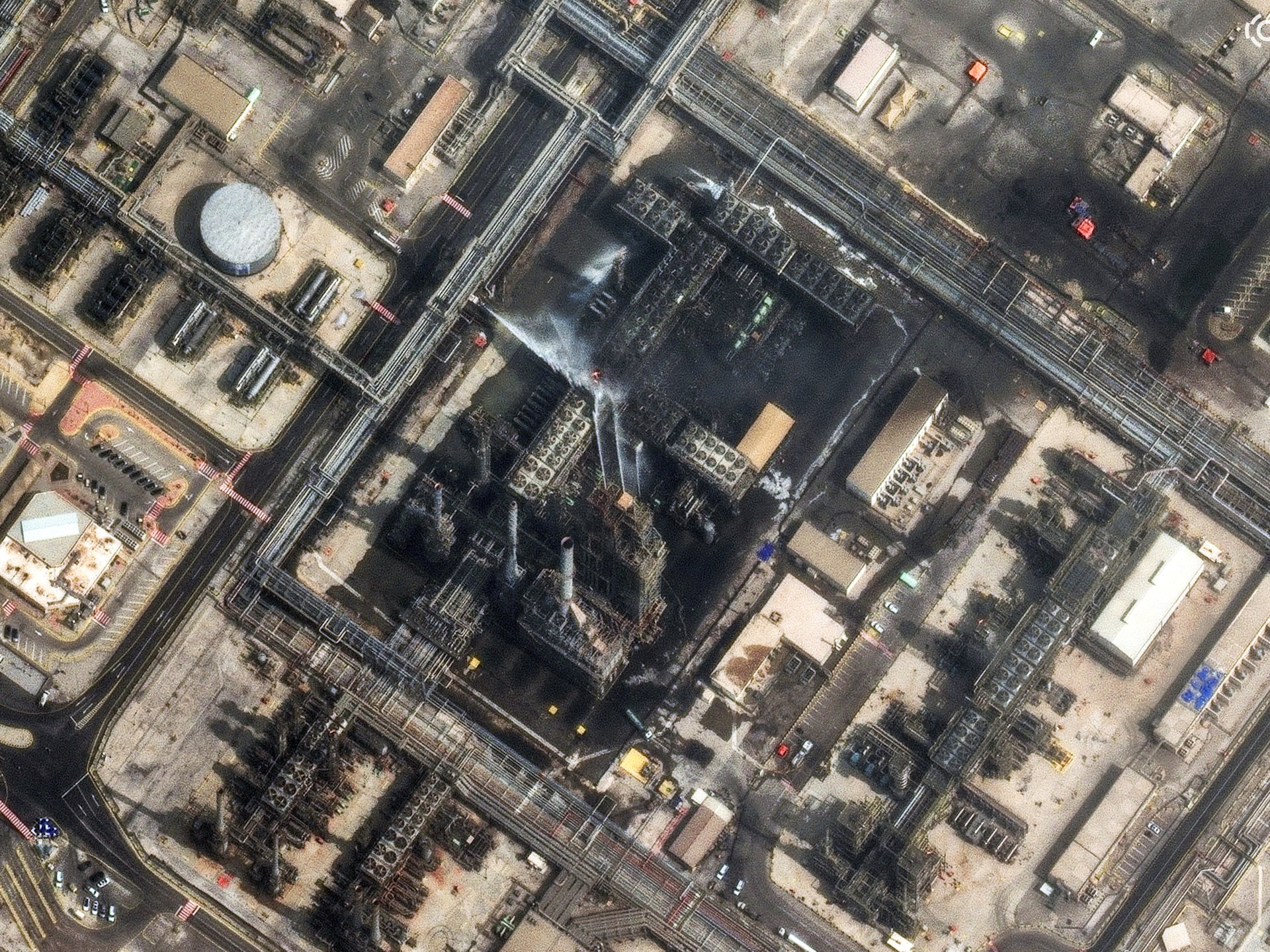
As tensions escalate in the region, significant developments in Iran and Gulf countries have raised alarm. Heavy military strikes from Israel have intensified, leading to disruptions in shipping routes and soaring oil prices. The situation not only impacts international relations but also sparks growing political pressure in Washington.
Here is what we know about recent events:
In Iran
Supreme leader speaks: Mojtaba Khamenei, Iran’s newly appointed Supreme Leader following his father’s assassination, has issued a stern warning that assaults on Israel and US military installations in the Middle East will persist unless US bases are closed.
Heavy strikes on Tehran: The Israeli military has initiated a new “extensive wave” of air assaults on Tehran, filling the city with thick smoke on Friday morning.
Strait of Hormuz closure and surging oil prices: The Strait of Hormuz, the vital passage connecting the Gulf to the Gulf of Oman, has been shut, resulting in Brent crude oil prices surpassing $100 per barrel. Iran asserts control over this strait, banning ships linked to the US and Israel and requiring permission for others to pass.
Civilian casualties: According to Iran’s UN ambassador, Amir Saeid Iravani, at least 1,348 civilians have lost their lives, with ages ranging from eight months to 88 years.

In Gulf countries
Regional retaliation and attacks: In response, Iran has deployed drones and missiles towards Gulf nations housing US military installations, targeting oil tankers and related facilities.
Bahrain: The nation has reported intercepting 114 missiles and 190 drones since the conflict began on February 28.
Saudi Arabia: The country has intercepted 10 drones over its eastern region and later destroyed an additional 28 drones that violated its airspace.
Attacks on the UAE: The UAE has condemned Iranian attacks, which have impacted Dubai International Airport and nearby hotels.
Evacuations: Australia has issued orders for all “non-essential” officials to exit the United Arab Emirates and Israel, advising its citizens to evacuate the region while conditions allow.
Qatar’s response: Although Qatar’s airspace is officially closed, Qatar Airways has arranged over 140 special flights to assist in the repatriation of stranded individuals. The country has rejected Israeli media allegations regarding a deliberate pause in liquefied natural gas (LNG) production, clarifying that the suspension followed an Iranian drone strike.

In the US
Trump claims war moving ‘rapidly’: President Donald Trump described the conflict with Iran as progressing “very rapidly,” asserting, “It’s doing very well, our military is unsurpassed,” while not addressing recent comments from Iran’s Supreme Leader.
Domestic opposition: Over 250 US organizations have signed a letter urging Congress to suspend funding for the war, highlighting that the $11.3bn spent in the first six days diverts essential funds from critical domestic concerns like food assistance.
No ‘need’ for ground troops in Iran: Senator Lindsey Graham downplayed the likelihood of deploying US troops in Iran but suggested the conflict may endure for some time, stating, “I don’t see this conflict ending today.”

In Israel
New missile wave launched at Israel: The Israeli military reported that Iran has launched another wave of missiles towards Israel, urging residents in the impacted regions to seek shelter.
Israel strikes Basij force: The military has targeted checkpoints established by the Basij force of Iran’s Revolutionary Guards as part of a strategy to weaken their control.
Regime change: Israeli Prime Minister Benjamin Netanyahu suggested that Israel could facilitate regime change in Iran, stating that it is ultimately up to the Iranian people to express their dissent. He emphasized that Israel aims to prevent Iran from relocating its nuclear and ballistic initiatives underground.
In Lebanon, Iraq
Downed US aircraft: A US KC-135 refueling aircraft crashed in western Iraq. While the Islamic Resistance in Iraq claimed responsibility for the downing, US Central Command (CENTCOM) clarified that the incident occurred in “friendly airspace” and was not due to hostile action.
Iraqi port closures: Iraq has suspended port operations following the death of an Indian crew member during an assault on a US-owned oil tanker in its waters.
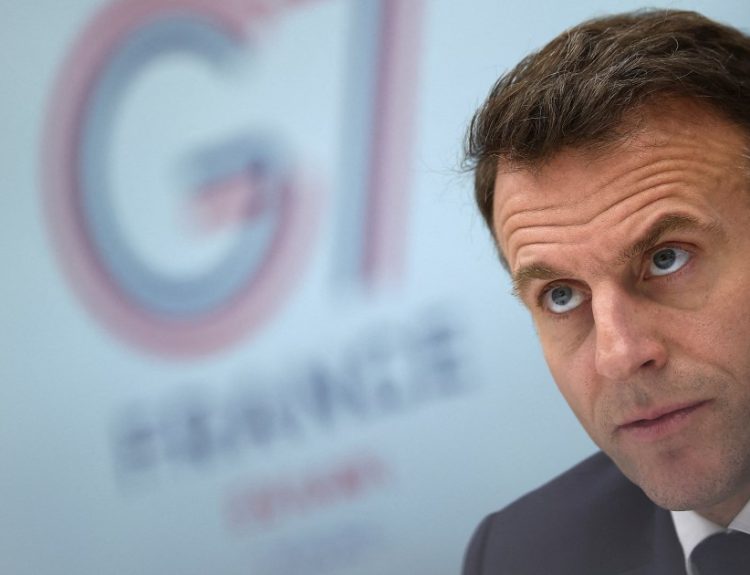
Six French soldiers hurt: President Emmanuel Macron announced that six French soldiers in Erbil, located in Iraq’s Kurdish region, were injured in a recent drone attack.
Deadly attacks in southern Lebanon: Israeli bombings continue to target southern towns and villages. A strike on Arki, near Sidon, resulted in nine fatalities, including five children.
Mounting death toll and mass displacement: At least 687 people have reportedly died in Israeli offensives in Lebanon since the previous Monday, among them 98 children. The relentless bombardments have displaced approximately 700,000 to 750,000 individuals from their homes.
Key Takeaways
- Intense military strikes have spread across Iran and Gulf countries, contributing to rising oil prices.
- The Strait of Hormuz is closed, heavily impacting global oil supply.
- Civilians are suffering significant casualties amid ongoing conflict.
- International responses vary, with some countries urging evacuations and others increasing military readiness.
- The tension has prompted political discussions around war funding and military strategy in the US.
FAQ
What is the current situation in the Strait of Hormuz?
The Strait of Hormuz is currently closed, which is affecting oil shipping routes and causing prices to rise significantly.
What actions have been taken by the US in response to the conflict?
The US has deployed military resources and engaged in political discussions on war funding and troop deployment strategies amidst the ongoing conflict.
How are civilians being affected by the military actions?
Civilians in affected areas are experiencing significant casualties and mass displacement due to the strikes and military operations.
The situation remains fluid, necessitating continued monitoring for further developments.