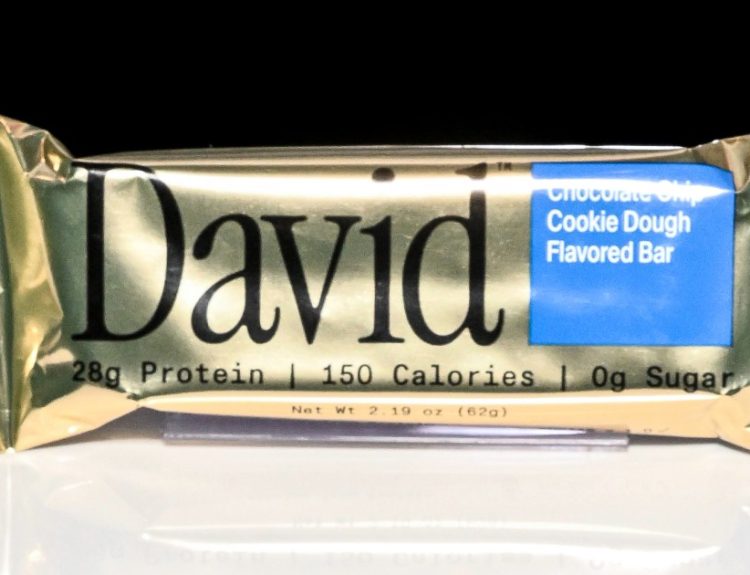
In a significant legal development, a class-action lawsuit has been filed against David Protein, claiming that the company has inaccurately reported the calorie and fat content of its widely popular protein bars. This revelation poses a challenge for a brand that prides itself on its health-conscious appeal.
The lawsuit, which was lodged on January 23 in the U.S. District Court for the Southern District of New York, highlights complaints from three consumers who purchased David Protein bars. They assert that the bars contain “far more” calories and fat than indicated on the packaging. Independent tests, employing a method known as the Atwater factors, reportedly found that the actual calorie count could exceed the stated amount by up to 83%, according to the claims made in the lawsuit.
Fat Content Concerns
In addition to calorie discrepancies, the plaintiffs argue that David Protein has significantly underestimated the fat content of its bars. Testing has allegedly shown that the fat content surpasses the labeled figures by as much as 400%.
According to David Protein’s official website and product labels, each bar is advertised to contain 150 calories, 28 grams of protein, and 0 grams of sugar.
The lawsuit references Food and Drug Administration guidelines, which stipulate that a product is deemed misbranded if the nutrient content present exceeds the reported value by more than 20%.
Referencing Cultural Icons
The lawsuit names Linus Technologies as the primary defendant. This nutrition-focused company was established in 2023 by entrepreneur Peter Rahal and operates under the brand name David Protein.
Despite the lawsuit, both Linus Technologies and David Protein have not yet provided a public response. However, the company did share a statement on Instagram stating, “No one is getting Regina Georged,” a nod to the film “Mean Girls,” in which the lead character Cady Heron tricks bully Regina George into consuming a protein bar that results in weight gain.
Following the initiation of the lawsuit, Rahal stated to Vanity Fair that the company “stands behind the accuracy of our product labeling” and intends to “strongly defend against this claim.”
The David protein bar was introduced to the market in 2024, named after Michelangelo’s famed 16th-century sculpture, according to a report by Forbes. The bars are available in several flavors, such as chocolate chip cookie and fudge brownie, and they retail for $39 for a pack of 12, equating to $3.25 per bar.