Looking to give your heart a bit of extra care?
Cardiovascular disease affects nearly half of all adults in the United States, making it the leading cause of death for both men and women. With such alarming statistics, it’s no wonder that the supplement aisle is filled with a myriad of pills and powders claiming to support heart health.
However, experts caution that not every product is worth investing in, and some may even pose risks to your heart. “For most individuals, there isn’t a singular ‘must-have’ heart supplement,” explains Dr. Tiffany DiPietro, a quadruple board-certified cardiologist. “The most effective options typically target specific conditions.”
If you’re eager to show your heart some love, Dr. DiPietro shares three supplements worth considering, as well as four that you should probably avoid.
Heart Helpers
Psyllium Husk Powder
Psyllium husk is widely recognized as a fiber supplement that aids in relieving constipation by absorbing excess liquid in the gut and adding bulk to stool for easier passage.
“Not glamorous, but highly effective,” states Dr. DiPietro.
Beyond its digestive benefits, research indicates that it can also lower LDL or “bad” cholesterol, which, if unchecked, can accumulate in arteries and elevate the risk of serious health issues such as heart disease, heart attacks, and strokes.
Additionally, psyllium husk has been shown to support gut health and help moderate blood sugar spikes after meals.
“It’s often an excellent ‘supplement-like’ addition for those at cardiometabolic risk, especially with insufficient dietary fiber,” notes DiPietro.
CoQ10
Coenzyme Q10, or CoQ10, is a vitamin-like antioxidant that facilitates energy production in cells, shields them from damage, and supports growth. While your body naturally synthesizes it and it can be found in various foods, many individuals opt to take it as a supplement for improved energy and heart health. Dr. DiPietro often recommends Qunol Ultra CoQ10.
“While it shouldn’t replace proper cholesterol and blood pressure management, it can serve as a beneficial complement for the right individual.”
Magnesium
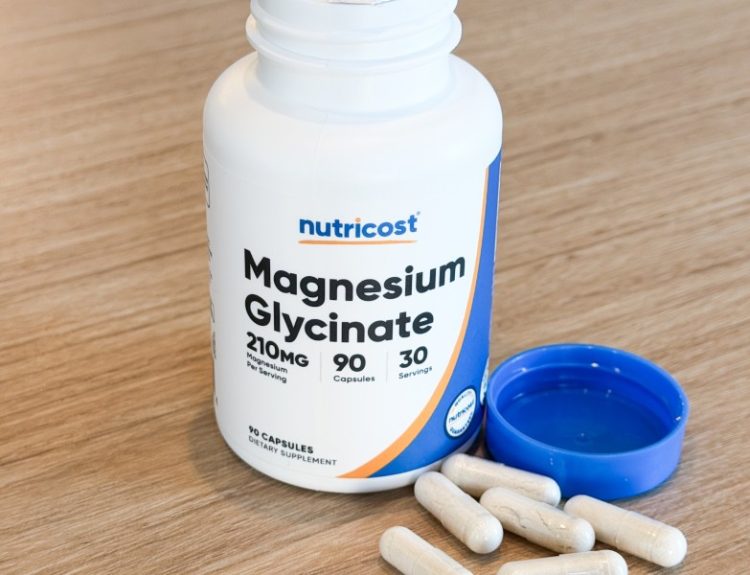
This vital mineral is essential for various bodily functions, from maintaining a regular heartbeat and healthy blood pressure to controlling inflammation. Unfortunately, many American adults do not consume adequate amounts of magnesium in their diets, leaving them susceptible to deficiency. For those individuals, a supplement may be beneficial, according to DiPietro.
“However, taking supplements routinely without a specific reason may not always be necessary,” she cautions. “I recommend assessing dietary intake, medications, gastrointestinal tolerance, and kidney function beforehand.”
Heart Breakers
“If a person has cardiovascular disease, arrhythmias, uncontrolled blood pressure, heart failure, or is on blood thinners or antiarrhythmics, I become especially cautious with these supplements,” cautions Dr. DiPietro.
Stimulants and Weight-Loss Supplements
Typically marketed for energy enhancement, metabolism acceleration, appetite suppression, or fat burning, these products can elevate blood pressure, induce palpitations, and impact heart rhythm.
Vitamin E or Beta-Carotene “for Heart Health”
Although antioxidants such as vitamin E and beta-carotene are crucial for bodily functions, conclusive evidence of their benefits for heart health is lacking. In fact, high doses of vitamin E may heighten the risk of heart failure, hemorrhagic stroke, and even mortality.
“They aren’t endorsed for the prevention of cardiovascular disease,” DiPietro asserts. “Numerous guidelines highlight their potential harms and limited benefits.”
Licorice Root
Whether found in supplements or herbal teas, DiPietro advises avoiding licorice root, which is often promoted for digestive, respiratory, or skin health enhancements.
“It can elevate blood pressure and deplete potassium, which is particularly dangerous for many heart patients,” she cautions.
Some Herbal Supplements
Individuals taking blood thinners like warfarin should be wary of certain herbal supplements, including ginkgo, ginseng, and high doses of garlic extract, as they can increase bleeding risk.
“They aren’t always ‘forbidden,’” DiPietro points out, “but they necessitate a thorough review of medications.”
In summary, it’s crucial to consult with your healthcare provider before introducing any supplements into your routine, especially those intended to promote heart health.
“For anyone with heart disease or arrhythmias, I prefer that they ask their physician, ‘Is this safe with my medications?’ before adding any over-the-counter options,” DiPietro strongly recommends.