The American Heart Association suggests that men should limit their added sugar intake to 36 grams per day, while women should aim for 25 grams. However, many artisanal beverages far exceed these recommendations, sometimes containing double, triple, or even quadruple the recommended amounts of sugar.
Chloe Schweinshaut, a registered dietitian and nutritionist based in Cambridge, points out the misconception that certain drinks are healthier simply because they’re not fizzy. “People have recognized that soda is packed with sugar and empty calories, yet some other beverages can contain even more sugar than soda. They mistakenly think these alternatives are healthier, but they’re not,” she explained.
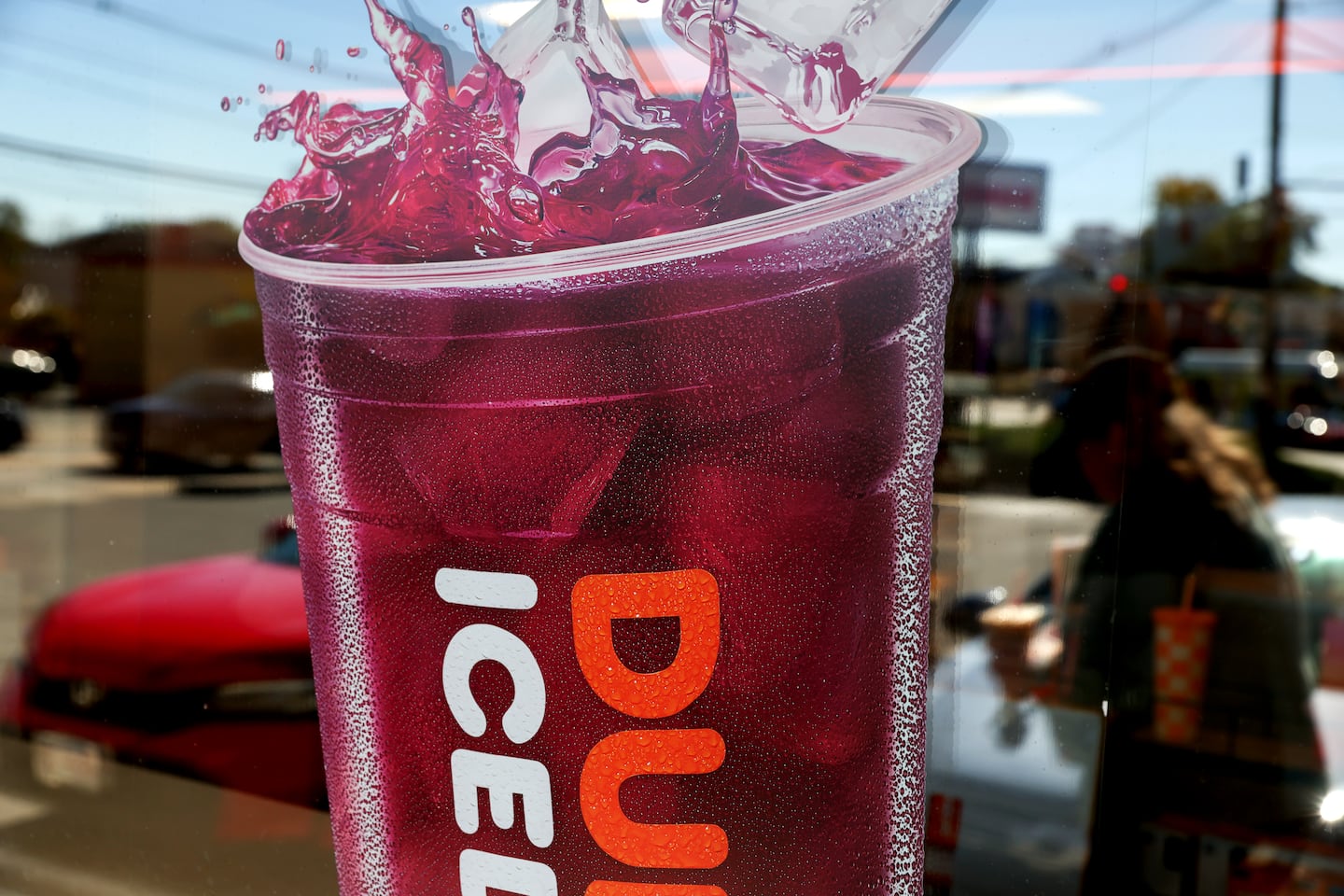
For context, a standard 12-ounce can of Coca-Cola contains 39 grams of sugar and 140 calories. On the other hand, a medium size Dunkin’ Frozen Hot Chocolate packs a staggering 121 grams of sugar and 690 calories. While most Dunkin’ orders are unlikely to be a frozen hot chocolate, even a medium iced Caramel Craze Latte—my personal favorite—contains 57 grams of sugar and 410 calories, which exceeds that of a can of Coke.
To understand how much sugar that is, consider that one Medium Vanilla Bean Coolatta delivers a shocking 125 grams of sugar and 590 calories, equivalent to consuming 9.6 Dunkin’ glazed doughnuts.
While Kennedy has highlighted the sugar content’s impact on teenage girls, it’s important to note that they are not the only demographic indulging in these sugary drinks; many adults also consume them regularly.
Schweinshaut noted, “Dunkin’ Donuts is a daily habit for many people, and these drinks are often enjoyed alongside other foods. When someone opts for a sugary beverage, they may be consuming additional sugars throughout the day.”
Beyond just the rush and subsequent crash that comes from a sugar high, excessive sugar consumption presents serious health risks. The Centers for Disease Control associates high added sugar intake with numerous health issues, including weight gain, obesity, type 2 diabetes, and heart disease. However, how often someone consumes these beverages significantly influences the overall risk.
Sally Cohen, a Boston-based nutritionist, adds, “The dangers often stem from overall eating patterns. For most people, having one of these drinks occasionally is not a major concern.”
So what can you do? Fortunately, not every drink on the Dunkin’ or Starbucks menus is laden with sugar. New England locals need not fully abandon their Dunkin’ habit.
Cohen recommends that consumers consider options such as downsizing their drinks or modifying the sugar content to make them less sweet. “Research suggests that gradually reducing sweetness in beverages might help decrease preference for sugary drinks over time,” Cohen stated.
However, it is essential to avoid labeling specific ingredients as entirely bad. “Demonizing a single nutrient can foster an environment where people feel guilty or ashamed about consuming it, creating additional health risks alongside the cardiometabolic consequences of high sugar intake,” she said.
Schweinshaut advises moderation: “Enjoy these sugary drinks on occasion. Think of them as liquid desserts, not something you should consume daily.”
Gitana Savage can be reached at gitana.savage@globe.com. Follow her on X @gitana_savage.