As tensions escalate in the Gulf region, the price of Brent crude oil has surged past $100 per barrel. The ongoing conflict between the United States and Iran, marked by recent Iranian strikes on commercial vessels, is contributing to rising concerns about global energy security.
Latest Developments
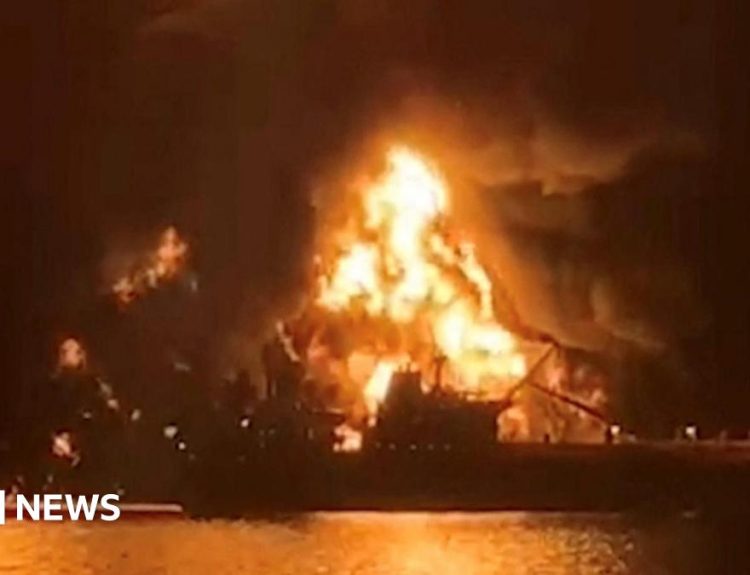
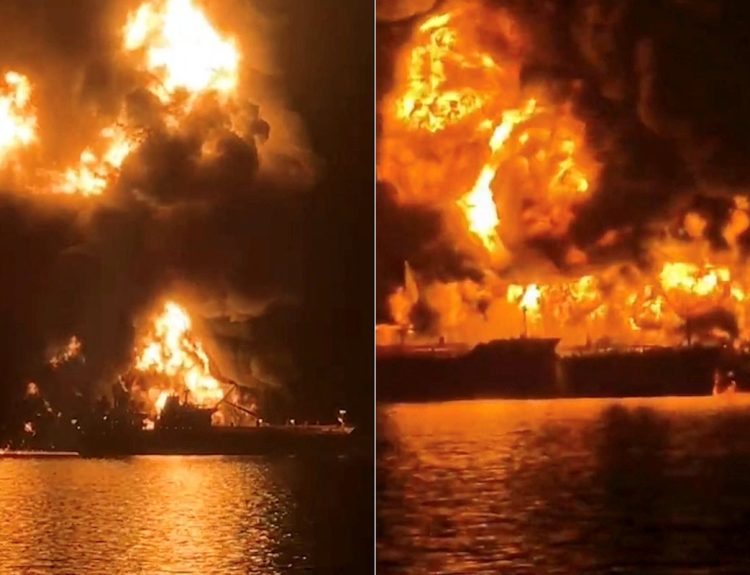
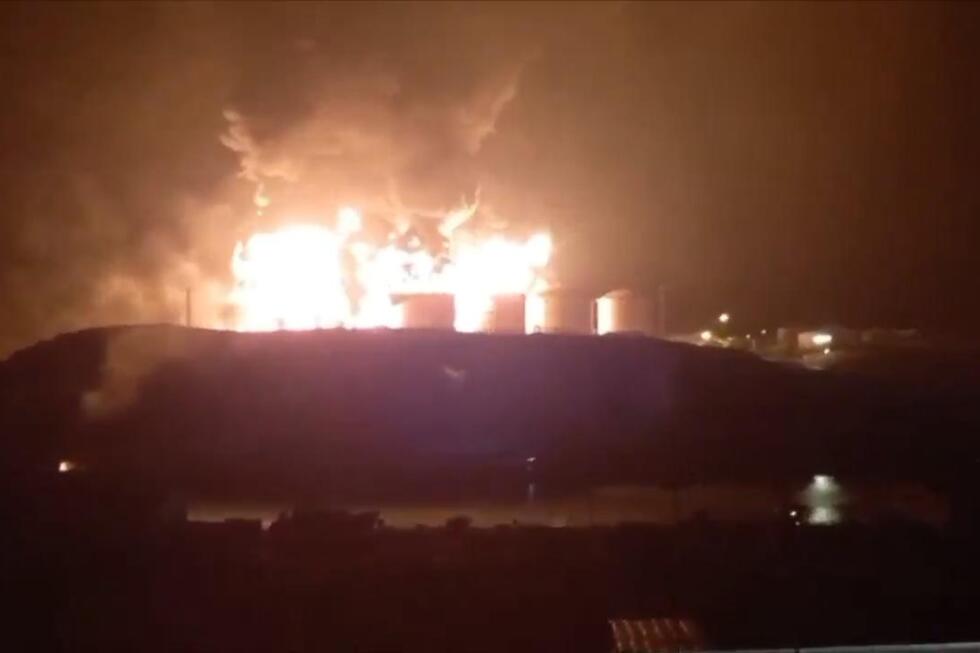
Recent activity includes Iranian assaults on ships in the Strait of Hormuz and at Iraq’s port of Basra. This aggressive campaign aims to exert pressure on the oil-rich Gulf region amidst escalating global energy concerns.
The U.S. airstrike initiative in Iran has now extended into its 13th day.
Major developments we’re following:
- Pentagon says Iran war cost $11.3 Billion in 1 week: The first week of war with Iran incurred costs of $11.3 billion for the United States, as reported by the Pentagon in a recent Congressional briefing. The military’s expenditures included $5 billion on munitions in the initial weekend alone.
- The International Energy Agency is releasing unprecedented volumes of emergency oil reserves to mitigate the impact of the ongoing conflict on global energy markets.
- The death toll is rising. The conflict has resulted in at least 1,300 fatalities in Iran, 634 in Lebanon, and 12 in Israel, as per reports from officials in these nations. The United States has confirmed the loss of seven soldiers, with another eight sustaining serious injuries.
Key Takeaways
- Brent crude oil prices have exceeded $100, driven by regional conflicts.
- Iranian attacks on commercial vessels in strategic waterways are escalating tensions.
- The U.S. military operations have been ongoing for over two weeks.
- The Pentagon reports substantial financial costs associated with the conflict.
- The International Energy Agency is stepping in to release emergency oil reserves.
- The human toll of the conflict continues to grow across the involved nations.
FAQ
What are the main reasons for the increase in oil prices?
The increase in oil prices is primarily attributed to rising geopolitical tensions, particularly the conflict between the U.S. and Iran, which has led to threats against shipping routes in the Gulf region.
How has the conflict affected military expenditure?
According to the Pentagon, the first week of military action resulted in expenditures of approximately $11.3 billion, with a significant portion spent on munitions.
What actions is the International Energy Agency taking?
The International Energy Agency is releasing emergency oil reserves to stabilize the energy market amid concerns triggered by the ongoing conflict.
What are the reported casualties of the conflict?
Recent reports indicate that the conflict has resulted in at least 1,300 deaths in Iran, 634 in Lebanon, and 12 in Israel, alongside casualties among U.S. military personnel.
Are there any signs of resolution in the conflict?
Currently, there are no clear indications that the conflict will deescalate, with both sides engaged in ongoing hostilities.
In summary, the situation in the Gulf continues to evolve with significant implications for global energy markets. Close attention is warranted as developments unfold, particularly concerning military actions and their broader economic impacts.