Understanding Children’s Early Exposure to Makeup: A Nuanced Perspective
In today’s world, the conversation around beauty products targeted towards young children is growing. Many brands now offer makeup designed for kids as young as three, sparking debates about the appropriateness of such marketing and its impact on children’s self-esteem. This article explores this trend, providing insights and practical advice for parents navigating these waters.
As children become increasingly interested in beauty products, brands are responding by creating lines specifically aimed at young kids. These include items like clear mascaras and tinted lip balms, marketed as fun tools for self-expression and bonding experiences between parents and children. However, as exciting as this may seem, experts urge caution.
Yamalis Diaz, a child and adolescent psychologist, emphasizes the importance of responsible marketing practices. While makeup can foster creativity and bonding, it’s crucial for brands to avoid promoting unrealistic beauty standards that can affect children’s self-image.
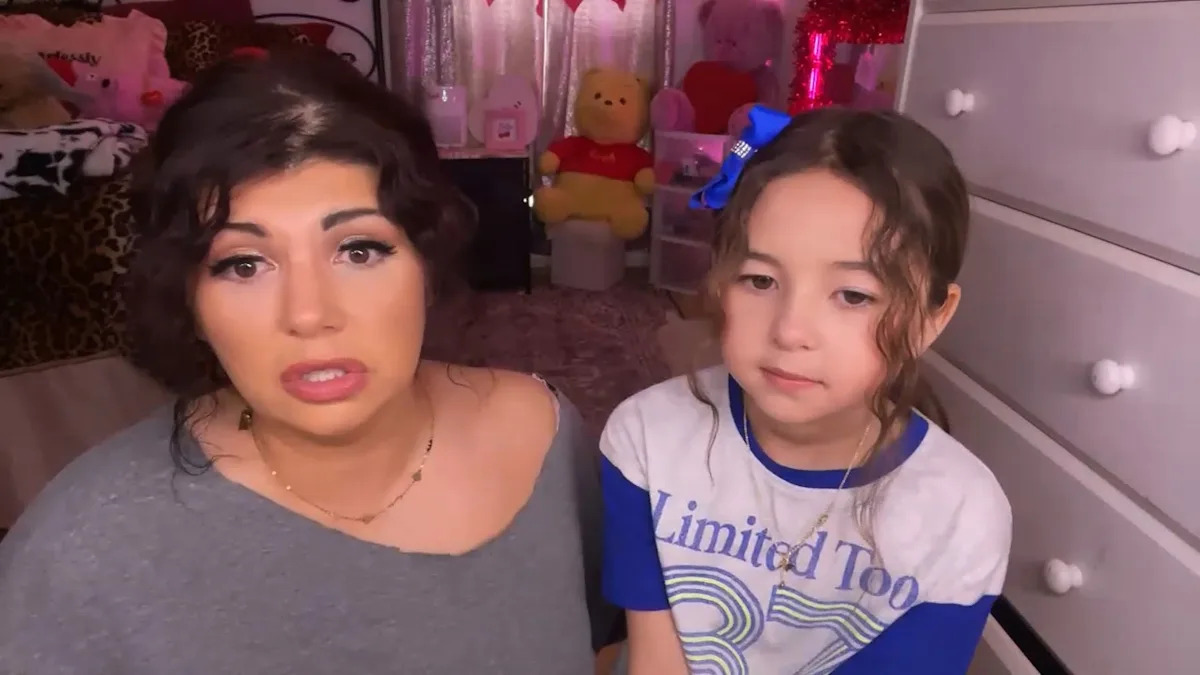
Children often look up to older siblings or role models, leading them to mimic behaviors they observe, including makeup application. This observed behavior is termed the “Sephora tweens” trend, which highlights children’s aspirations to engage in beauty routines. Ceaira Fritcher shares her experience with her seven-year-old daughter Evie, who shows keen interest in makeup. They even create “get ready with me” videos on TikTok, sparking mixed reactions from viewers.
Fritcher finds joy in allowing her daughter to explore her creativity through makeup but is also conscious of the feedback from the community. She stresses the importance of teaching Evie that true beauty is about who you are inside, not just the exterior.
Moreover, Diaz cautions that the focus should be on fostering a creative environment, rather than fueling external validation. If children’s engagement with makeup shifts from playful expression to a reliance on external approval, that becomes problematic.
Tips for Parents
-
Focus on Imagination: Encourage play with makeup as a form of creativity rather than a means to conform to societal beauty standards.
-
Set Boundaries: Consider establishing a clear age guideline for introducing makeup, allowing children to explore it when they’re a bit older and can better understand self-image.
-
Educate on Skincare: Dermatologist Dr. Whitney Bowe advises starting a basic skincare routine for children around ages 11 and 12, incorporating gentle cleansers, moisturizers, and sunscreen. This sets a foundation for healthy skin habits.
-
Be Mindful of Ingredients: For those who do choose to introduce makeup, ensure the absence of harsh ingredients. Avoid products with glitter or strong pigments, especially around sensitive areas like the eyes, and always promote good hygiene by ensuring makeup is removed at the end of the day.
-
Discuss Inner Beauty: Regularly talk to your children about what constitutes beauty. Reinforce that self-worth comes from inherent qualities, not cosmetic enhancements.
Conclusion
While the trend of children’s makeup can offer opportunities for creative expression, it is essential for parents to navigate this landscape thoughtfully. By promoting healthy self-esteem and focusing on imaginative play rather than external validation, we can help our children appreciate their uniqueness—inside and out. The key lies in balance: allowing space for exploration while instilling values that prioritize self-acceptance and understanding of true beauty.