Elevated inflammation and insulin levels are both tied to an accelerated risk of cognitive decline.ANDREW BUI/The New York Times
The role of diet in promoting healthy aging has attracted significant scientific scrutiny, highlighting its impact on overall well-being.
Diet quality is recognized as a crucial factor influencing the risk of chronic diseases and premature mortality.
Recent findings further reinforce the beneficial connection between a nutritious diet and longevity, particularly regarding cognitive health.
Moreover, the research highlights that adopting a health-conscious eating plan early in life can significantly aid in maintaining cognitive function as we grow older.
Below are key insights from the study, its outcomes, and a recommended brain-healthy diet to consider.
The Latest Research
Published on February 23 in JAMA Neurology, the study explored the link between adherence to six established healthy dietary patterns and the potential for cognitive decline.
Data was analyzed from 159,347 participants enrolled in three extensive, long-term studies across the United States. The average age of participants at the study’s onset was 44 years, with follow-ups extending for 26 to 28 years.
Throughout this period, diet information was gathered every four years to assess how closely participants aligned with various dietary patterns.
These included the Alternative Healthy Eating Index, the Dietary Approaches to Stop Hypertension (DASH) diet score, the Healthful Plant-Based Diet Index, the Planetary Health Diet Index, and two scores focused on dietary inflations and insulin response (hyperinsulinemia). Elevated levels of inflammation and insulin have been linked to a heightened risk of cognitive decline.
Participants also completed questionnaires regarding their perceived memory and cognitive skills. Subjective cognitive decline is often an early indicator of future cognitive impairment.
A subset of participants underwent periodic cognitive tests to evaluate memory, attention, and overall cognitive function.
Healthy Eating and Cognitive Health
A stronger adherence to all six healthy dietary patterns correlated with a reduced risk of subjective cognitive decline.
Notably, the DASH diet demonstrated the most pronounced effect: participants with the highest adherence reported a 41% lower likelihood of experiencing significant cognitive decline compared to those with the lowest adherence.
This trend persisted even when diet was assessed during midlife (ages 45 to 54)—about 26 years in advance of cognitive assessments—underscoring midlife as a critical period for dietary influence on cognitive function later in life.
Additionally, higher DASH diet scores were strongly associated with superior performance on cognitive tests.
These conclusions took into account various factors affecting cognitive aging, including education, family history of dementia, physical activity, alcohol consumption, smoking, and the presence of health issues like hypertension, high cholesterol, diabetes, stroke, and depression.
Don Chen/Getty Images/iStockphoto
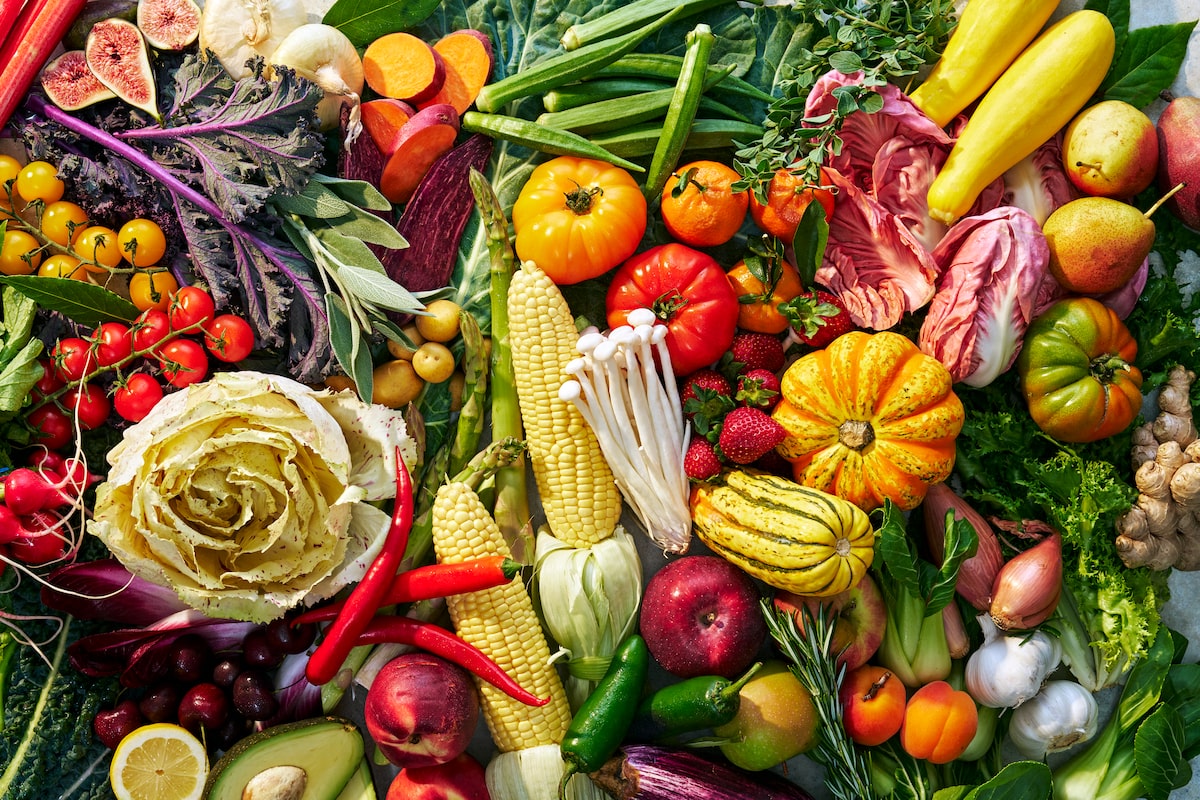
The researchers found that higher consumption of various food groups—such as green leafy vegetables, yellow and red vegetables, tomatoes, whole fruits, legumes (beans, chickpeas, lentils), and fish—was significantly linked to improved cognitive scores.
Conversely, increased intake of processed meats, sugary beverages, and sweets correlated with poorer cognitive outcomes.
Caveats and Key Takeaways
Although the study was observational and does not provide direct evidence that a healthy diet directly prevents cognitive decline, it does offer compelling insights.
It is noteworthy that study participants were predominantly highly educated and predominantly white, which may limit the applicability of the findings to more diverse populations.
However, the study’s strengths include a large sample size, extensive follow-up duration, and repeated dietary assessments that minimize errors from self-reported data.
The conclusion that all six healthy dietary patterns reduce the risk of cognitive decline supports existing evidence that a diet rich in vegetables, fruits, fish, and plant proteins—while low in added sugars and processed meats—promotes healthy brain aging, and is especially crucial when adopted during midlife.
About the DASH Diet
In addition to enhancing brain health, the extensively researched DASH diet is linked to lower inflammation levels, reduced blood pressure, improved cholesterol levels, and decreased risks of heart disease, Type 2 diabetes, and colorectal cancer.
This diet promotes consumption of fruits, vegetables, whole grains, low-fat dairy products, legumes (beans and lentils), nuts, and seeds.
It limits foods high in saturated fats, such as fatty meats and full-fat dairy, as well as sweets and alcoholic beverages. Sodium intake is restricted to 1500 or 2300 mg per day.
The DASH diet provides guidelines for daily or weekly servings of foods according to individual calorie needs.
For example, those following a 2,000-calorie diet should aim for 4 to 5 servings of vegetables, 4 to 5 servings of fruits, 2 to 3 servings of low-fat dairy, 6 to 8 servings of whole grains, and 6 ounces of lean meat, poultry, or fish each day.
Additionally, 4 to 5 servings of legumes, nuts, or seeds are recommended each week.
For further information on the DASH eating plan for different calorie levels, the U.S. Heart, Lung and Blood Institute is a valuable resource.
Leslie Beck, a Toronto-based private practice dietitian, is director of food and nutrition at Medcan.