Emerging research into mental fatigue among Esports athletes indicates that sparkling carbonated drinks might effectively counteract cognitive decline, serving as an alternative to caffeinated and sugary beverages often favored by gamers. This insight could lead to healthier options for concentration and focus during prolonged gaming sessions.
Led by a team from the University of Tsukuba, the study explores how carbonated beverages can alleviate game-related mental fatigue, emphasizing the need for further understanding in this domain to develop practical solutions for gamers.
Esports Athletes Turn to Sugary Energy Drinks to Combat Mental Fatigue
While physically demanding occupations often result in physical fatigue, the mental exhaustion linked to extended periods of intense focus can be equally taxing. Researchers describe this condition as ‘cognitive fatigue,’ characterized by diminished cognitive reasoning, focus, and concentration, which can even impact a player’s sense of fair play.
The research team from the University of Tsukuba notes that competitive esports players may not utilize the same physical skills as traditional athletes. However, given that esports necessitates digital interaction and advanced cognitive abilities—such as spatial reasoning, sustained attention, and information processing—participants can experience cognitive fatigue marked by reduced executive function and pupil constriction.
To mitigate the adverse impacts of cognitive fatigue, gamers frequently turn to sugary or caffeinated drinks. Nevertheless, the researchers caution that the habitual consumption of such energy drinks poses serious health risks.
“Long-term intake of caffeine and sugar has been associated with negative health consequences, including irregular heartbeats, sleep problems, impaired glucose tolerance, and heightened depressive symptoms,” the researchers noted, underscoring the lack of empirical research on effective countermeasures for cognitive fatigue among esports players.
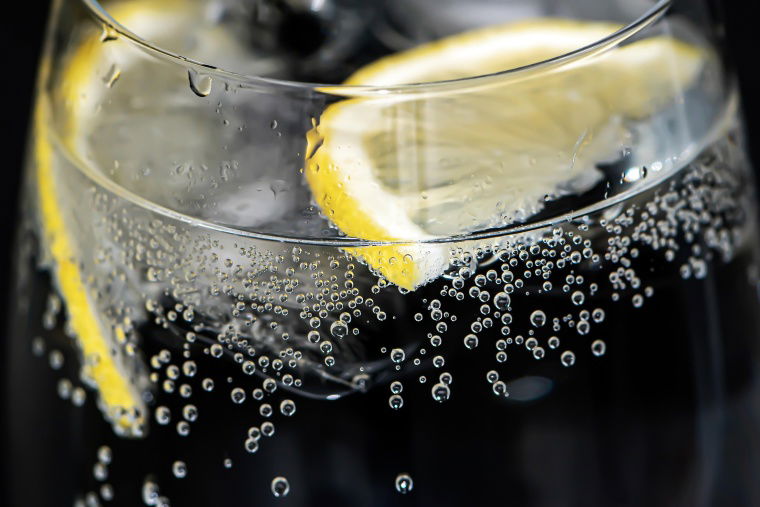
Despite the popularity of energy drinks, anecdotal evidence suggests that sparkling beverages may similarly help alleviate cognitive fatigue, particularly during extended gaming sessions.
Volunteers Undergo Tests and Drink Water During Three-Hour Esports Session
To investigate this hypothesis, the research team enlisted young adult volunteers averaging 22.9 years of age, ensuring participants fit specific criteria to be classified as casual players.
Fifteen eligible casual esports players were recruited to participate in a randomized crossover trial, where each player engaged in two three-hour gaming sessions of virtual football (soccer). During these sessions, participants consumed either plain water or sparkling carbonated water.
As the volunteers played, the researchers conducted hourly assessments to evaluate self-reported fatigue, enjoyment levels, and executive function. The latter was tested with a ‘flanker’ task, requiring participants to determine whether stimuli flanking a central item were congruent or incongruent—such as arrows pointing in the same or opposite directions.
Physiological responses were also monitored, including pupil diameter, heart rate, blood glucose levels, and salivary cortisol. Pupil diameter serves as a neuronal marker for prefrontal activity, with greater constriction linked to slower responses in the flanker task, indicating cognitive fatigue.
Results Show Sparkling Water Enhances Enjoyment and Offers Benefits Against Fatigue
Upon comparing results from various tests, the data revealed significant findings. In contrast to plain water, sparkling water notably reduced feelings of fatigue and enhanced levels of enjoyment during gameplay. Gamers who opted for sparkling water maintained better executive function and prevented pupil constriction.
However, the comparison of heart rates, glucose levels, and salivary cortisol showed no notable differences between the two types of hydration.
Analysis of each volunteer’s gameplay indicated that those consuming sparkling water committed fewer in-game fouls compared to those drinking regular water. Nevertheless, performance metrics in offensive and defensive gameplay did not show significant variations.
“Our findings suggest that sparkling water could mitigate both subjective and cognitive fatigue during extended esports play,” the researchers noted, emphasizing its potential benefits for maintaining fair play while preserving performance.
Carbonation Stimulates the Brain via Receptors in the Throat
While further exploration is necessary to determine the exact mechanisms behind sparkling water’s cognitive protective effects, the University of Tsukuba team proposes that these benefits are likely linked to the carbon dioxide that gives the beverage its fizz, activating transient receptor potential (TRP) channels located in the throat responsible for sensing temperature and touch.
The carbon dioxide dissolved in sparkling water may activate TRP ankyrin 1 (TRPA1) channels, contributing to a cooling sensation through cellular acidification. Additionally, these sparkling beverages elicit tingling sensations in the throat.
Moreover, the bubbles may stimulate TRP vanilloid 1 (TRPV1) channels, which are typically associated with sensations of burning and pain.
“The activation of oral and pharyngeal TRP channels enhances input to the trigeminal nuclei projecting to the locus coeruleus, critical components of the ascending reticular arousal system that influence vigilance and executive control,” the researchers noted.
Ultimately, the study suggests that sparkling water stimulates regions of the prefrontal cortex connected to executive functions, possibly counteracting cognitive fatigue.
Preventing Problems Associated with Unnoticed Cognitive Fatigue
Reflecting on their findings, the researchers argue that incorporating sparkling water could be an effective method to sustain mental focus during extended periods of esports gaming, avoiding the adverse effects linked to sugar and caffeine consumption.
“These results illustrate how sparkling water can alleviate both subjective and objective signs of cognitive fatigue during prolonged esports sessions, validating our hypothesis,” they concluded.
The researchers also noted the beneficial effects of sparkling water on fair play, suggesting that non-caffeine solutions may help participants maintain self-control and foster equitable behavior.
In light of today’s lifestyles, which increasingly separate physical and mental activity, the need to address cognitive fatigue is growing, particularly when physical exhaustion might not be apparent. Such interventions could alleviate potential long-term health risks associated with unnoticed cognitive decline.
“In conclusion, sparkling water presents a low-risk, sustainable alternative to sugar- or caffeine-based solutions for managing cognitive fatigue in our increasingly digital lives,” they stated.
The study “Sparkling water consumption mitigates cognitive fatigue during prolonged esports play” was published in Computers in Human Behavior Reports.
Christopher Plain is a Science Fiction and Fantasy novelist and Head Science Writer at The Debrief. Follow and connect with him on X, learn about his books at plainfiction.com, or email him directly at christopher@thedebrief.org.
Key Takeaways
- Sparkling carbonated beverages may mitigate cognitive decline in Esports athletes.
- E-sports cognitive fatigue can significantly impact focus and fair play.
- Research shows that sparkling water enhances enjoyment and preserves executive function.
- Carbonation likely stimulates the brain through receptors in the throat.
- Scientific evaluation suggests sparkling water as a healthier alternative to sugary or caffeinated drinks.
FAQ
What is cognitive fatigue?
Cognitive fatigue refers to a state of reduced mental performance, affecting reasoning, focus, and attention, often resulting from prolonged periods of intense concentration.
How does sparkling water help with cognitive fatigue?
Sparkling water may improve mental clarity and enjoyment during gaming by stimulating specific receptors that enhance alertness and cognitive functions.
What are the risks of sugary energy drinks?
Long-term consumption of sugary energy drinks is linked to various health issues, including heart irregularities, sleep disturbances, and increased depressive symptoms.
Why is carbonation significant for cognitive function?
The carbonation in sparkling water activates throat receptors that may enhance brain activity related to focus and executive control.