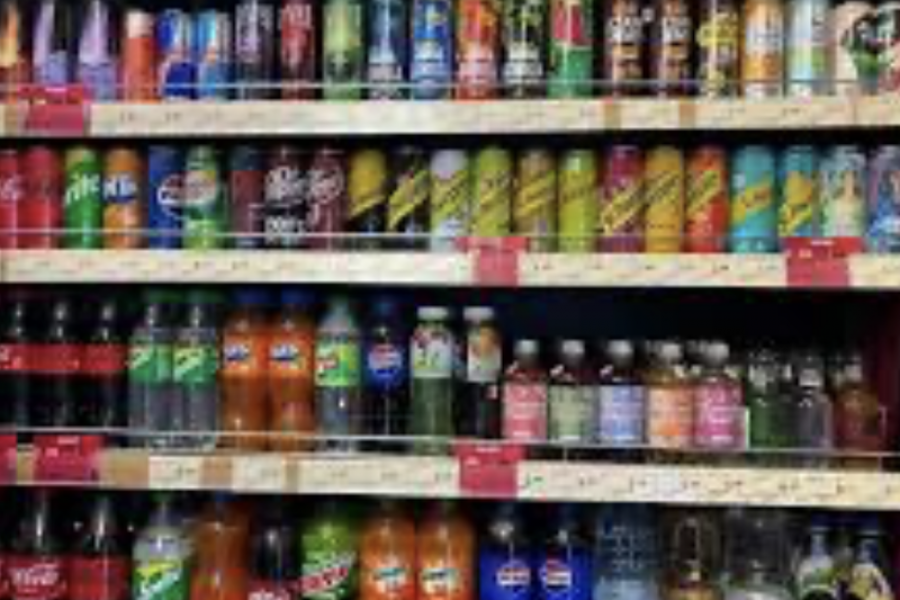
Belarus is gearing up to implement mandatory labeling for soft drinks and juices, with the new regulations set to take effect on May 1.

Photo: Minsk.online.24
From March 1 to April 30, labeling will be voluntary. This period allows manufacturers and importers to test their equipment and processes. Those who begin labeling products early will be well-prepared when the new rules come into force in May.
A key detail pertains to existing product stock. All items still in warehouses as of May 1, 2026, lacking the required codes, must also comply with the new labeling requirements. The primary aim of this initiative is to ensure transparent inventory management and to protect the market from counterfeit goods.
To assist businesses in labeling their inventory before the deadline, the labeling system operator, RUE “Belblankavyd,” began issuing identification codes on August 1, 2025. Additionally, since September 8 of last year, businesses have had access to the functionality needed for reporting the application of labels on their packaging.
Key Takeaways
- Mandatory labeling for soft drinks and juices takes effect on May 1, 2026.
- From March 1 to April 30, 2026, labeling will be optional for manufacturers.
- All products in warehouses without codes by the deadline will require labeling.
- The initiative aims to improve transparency and combat counterfeit products.
- Identification codes were made available from August 1, 2025, to facilitate compliance.
FAQ
What is the deadline for mandatory labeling?
The deadline for mandatory labeling is May 1, 2026.
Are manufacturers allowed to label products before the deadline?
Yes, manufacturers can label products voluntarily from March 1 to April 30, 2026.
What happens to existing stock without labels after the deadline?
Any products remaining in warehouses without labels by the deadline will also need to comply with the new labeling requirements.
What is the purpose of the labeling initiative?
The primary objective is to ensure transparent inventory management and protect consumers from counterfeit goods.
In summary, the new labeling regulations in Belarus seek to create a more transparent market for soft drinks and juices while providing manufacturers with a structured transition period.