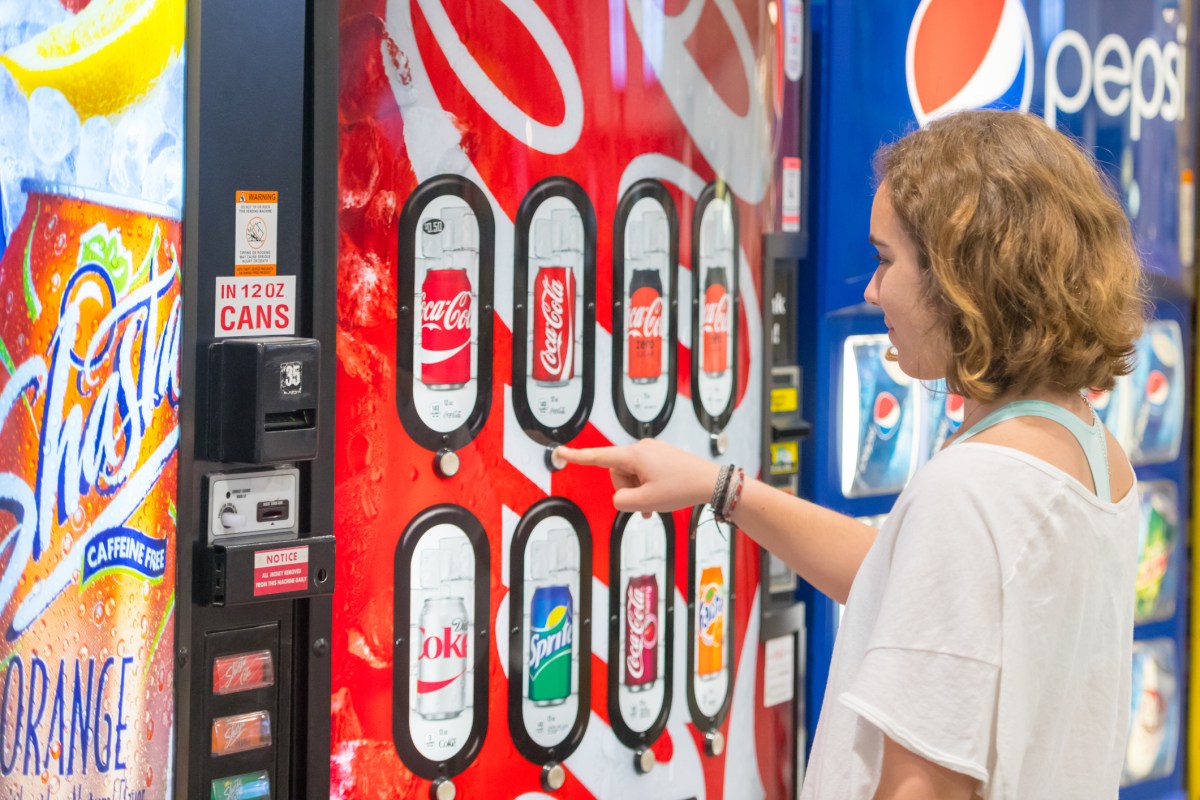
The ongoing debate in Colorado regarding the use of Supplemental Nutrition Assistance Program (SNAP) benefits to purchase sugary beverages has sparked significant discussion. With health officials advocating for a ban and various community groups voicing their concerns, this proposal stands at a crossroads.
Why It Matters
The outcome of this decision will impact approximately 600,000 Coloradans who rely on SNAP, representing around 10 percent of the state’s population. This move is part of a larger national trend, as the U.S. Department of Agriculture (USDA) has granted multiple state waivers to limit access to sweetened beverages and similar items.
Proponents, including healthcare professionals and state health officials, argue that this initiative could lower the risks associated with chronic diseases and reduce future Medicaid costs. However, critics warn that it may marginalize shoppers, place additional burdens on retailers, and heighten food insecurity.
What To Know
The administration of Democratic Governor Jared Polis received approval from the USDA in August for a “Healthy Choice” waiver. This would prohibit SNAP purchases of soda and beverages with added sugars or artificial sweeteners, pending rule adoption by the state’s Board of Human Services.
After about seven to eight hours of testimony and discussion, the board decided in an 8-1 vote to postpone a decision until the next meeting, with several members indicating their opposition to the proposal during the deliberations in April.
Should the waiver be implemented, SNAP would cover beverages that contain milk, plant-based milk alternatives, or at least 50 percent juice, while excluding diet and full-sugar sodas as well as most sweetened drinks. Notably, chocolate milk and unsweetened seltzers would remain eligible purchases.
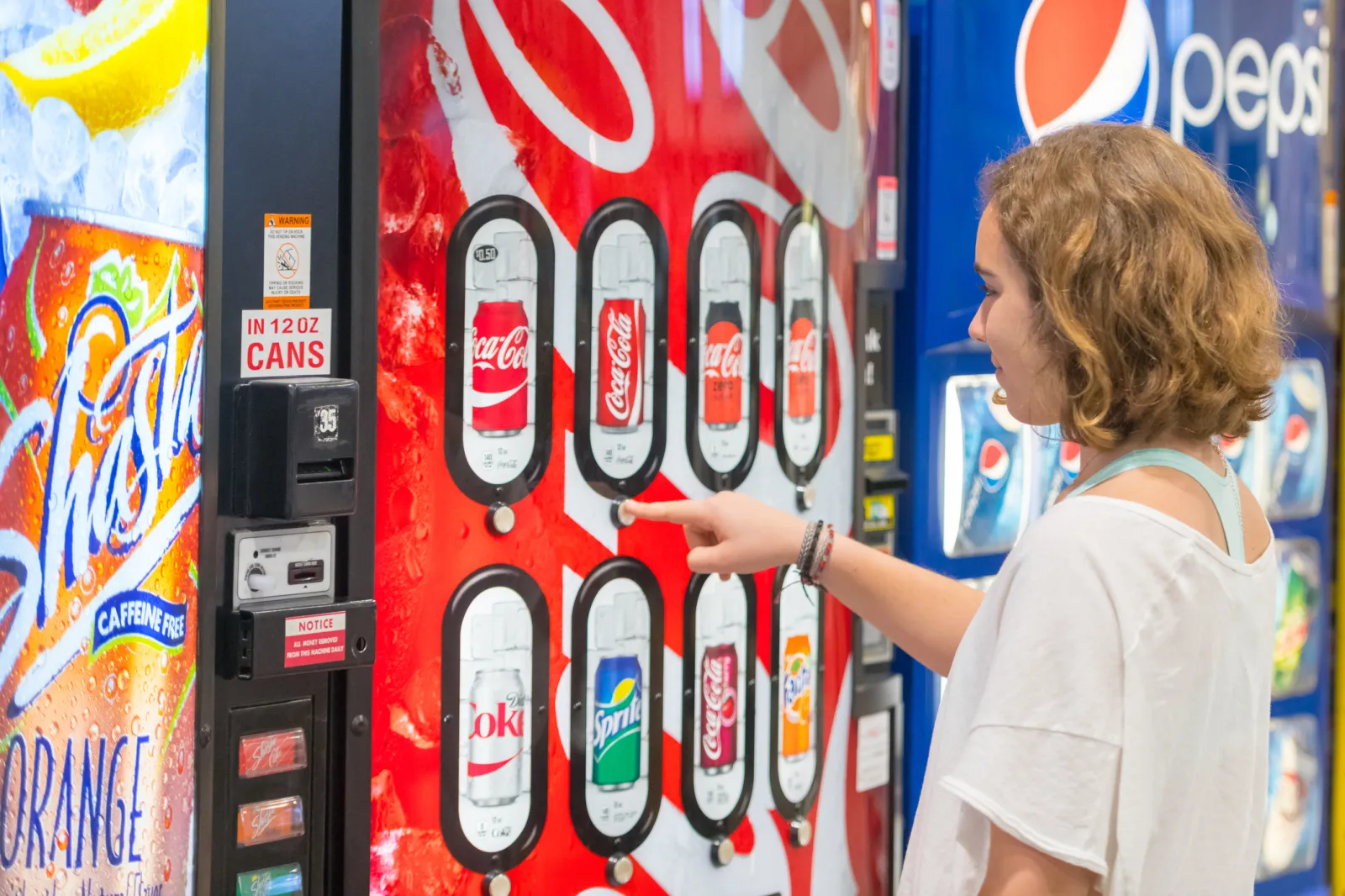
According to state officials, sweetened beverages account for about 9 percent of SNAP expenditures in Colorado, making it the second-highest category of purchases after meat and seafood, while soft drinks are fifth among non-SNAP consumers.
Data presented by the Colorado Department of Human Services has linked sugary drink consumption to various health issues, including Type 2 diabetes, heart disease, and behavioral concerns, positioning this policy as an extension of existing bans on purchasing alcohol and tobacco with benefits.
Opposing voices include organizations such as Save the Children and Hunger Free Colorado, alongside 27 Democratic lawmakers, who caution that this rule could impose difficulties for small and rural retailers and potentially exacerbate hunger. There are also concerns that the technical stipulations, like the 50 percent juice requirement, could confuse shoppers who may lack access to technology or face language barriers, possibly restricting products like flavored mineral water.
During the Trump administration, the USDA encouraged states to pursue waivers that restrict food purchases as a means to promote healthier eating habits. Recently, waivers were approved for Kansas, Nevada, Ohio, and Wyoming, bringing the total number of states with such waivers to 22.
What People Are Saying
Julie Hall, program director for the Homelessness Awareness and Action Task Force in Englewood, expressed: “They deserve the dignity of choice—the ability to walk into a store, select food they will enjoy, and purchase it with confidence, without fear of being denied or shamed at the register.”
The Food Action & Research Center critiqued the policy: “If policymakers seek to improve health outcomes, they should act based on solid evidence—which supports strengthening SNAP benefit adequacy, improving program access, and investing in nutrition education—rather than imposing complex restrictions based on uncertain evidence and a single foreign study.”
Dr. Ned Calonge, chief medical officer of the Colorado Department of Public Health and Environment, stated that soda contains “almost no nutritional value,” and its daily consumption is linked to increased risks of heart disease and cancer, characterizing the proposal as a step to eliminate a subsidy for unhealthy beverages.
Kim Bimestefer, executive director of the Colorado Department of Health Care Policy and Financing, added: “Please pass this rule so Colorado stops fiscally fueling distribution of beverages that propel the chronic diseases that impact the low-income Coloradans who we cover and serve.”
What Happens Next
If approved, the revised SNAP regulations will take effect on April 30.
Key Takeaways
- The proposed ban on purchasing sugary drinks with SNAP benefits has been delayed by Colorado’s human services board.
- This decision affects approximately 600,000 SNAP recipients in Colorado.
- Proponents argue the ban could reduce chronic disease risks.
- Critics warn it may stigmatize shoppers and increase food insecurity.
- The new rules could allow coverage for certain beverages while excluding sweetened drinks.
- The USDA has encouraged states to implement similar restrictions as part of promoting healthier eating.
FAQ
What beverages will be eligible under the proposed rules?
Eligible beverages may include milk, plant-based milk substitutes, or drinks with at least 50 percent juice.
How many people in Colorado are affected by the SNAP changes?
Approximately 600,000 Coloradans rely on SNAP benefits.
What are the primary concerns from opponents of the proposal?
Opponents are concerned about potential stigma for shoppers, increased food insecurity, and burdens on retailers.