The Rise of Skiing as a Marketing Playground: What It Means for Fitness Enthusiasts
Skiing is rapidly gaining popularity as a year-round fitness activity, drawing the attention of brands eager to tap into its uniqueness. With stunning ski destinations becoming the backdrop for influencer marketing campaigns and product showcases, there’s a lot to learn about how these initiatives can enhance your own skiing experience.
This article explores the intersection of skiing, health, and marketing, offering practical insights while steering clear of medical claims. Let’s dive into how you can make the most of your time on the slopes while staying informed about the trends.
Brands in the Spotlight
Recently, notable beauty brands have embraced ski culture to engage directly with consumers. For example, the beauty brand Rhode is making waves by hosting influencers at premiere ski resorts like Big Sky, Montana. They introduced new products such as sculpting face masks and lip treatments, enticing consumers with exclusive previews and experiences.
Such marketing efforts provide valuable insights for skiing fans interested in the best products to take along on their adventures. Brands are increasingly showcasing how effective their skincare products are in extreme conditions—think humidity, cold, and UV exposure at high altitudes.
The Importance of Sun Protection
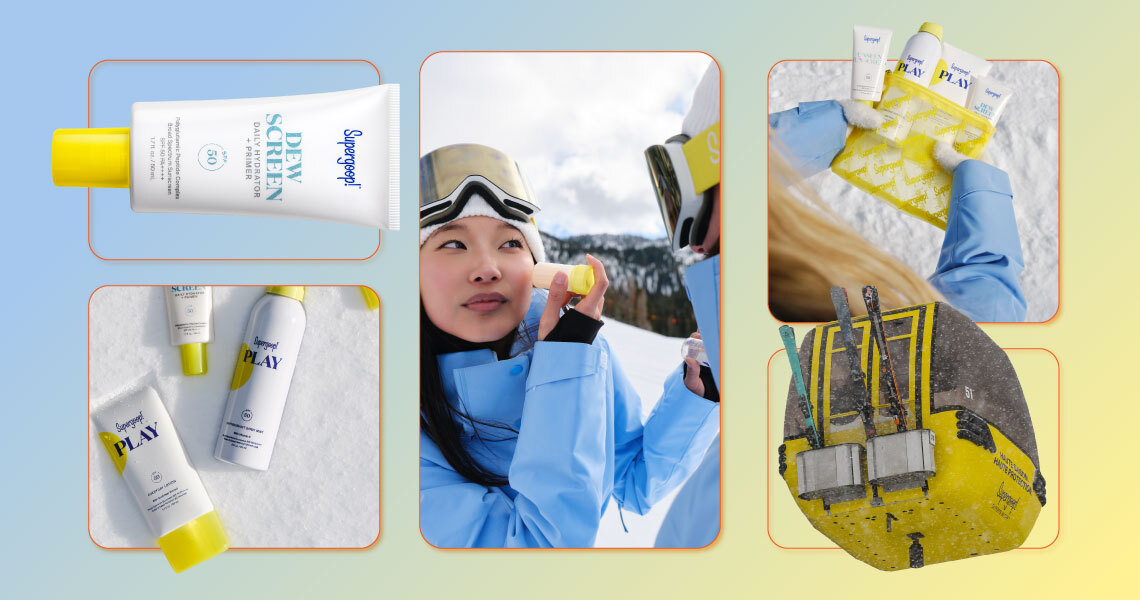
One key takeaway from the ski marketing scene is the emphasis on skincare, particularly sun protection. Brands like Supergoop have been leading the way for years, demonstrating the critical need for sun protection even during winter sports. They have established partnerships with ski resorts to ensure their products are available where consumers need them most.
As you hit the slopes, remember that UV rays can be intensified by reflection off the snow. To keep your skin safe, incorporate a high-quality sunscreen into your ski routine. Brands such as Kiehl’s and Neutrogena are also featuring their products at winter resorts, guiding consumers on how to protect their skin effectively while enjoying their favorite activities.
Maximize Your Ski Experience
-
Choose Appropriate Gear: Invest in high-performance gear that suits the conditions you’ll be encountering. This includes finding the right skis, boots, and outerwear to ensure comfort and safety.
-
Stay Hydrated: It’s easy to forget hydration when it’s cold outside, but staying hydrated is just as important in winter as in summer. Bring a reusable water bottle and consider snacks that provide quick energy like nuts or energy bars.
-
Skincare Regimen: Before you hit the slopes, follow a skincare routine that includes moisturizers and sunscreen. A good strategy is to reapply sunscreen every couple of hours, especially after sweating.
-
Incorporate Strength Training: Enhance your skiing ability by engaging in strength training exercises that focus on core stability, leg strength, and balance to improve your athletic performance on the slopes.
-
Join Community Events: Many resorts offer ski clubs or community events that can enhance your social interactions and offer group lessons to improve your skills.
Conclusion
By tapping into the marketing trends surrounding skiing, you can gain practical insights into preparing for your next adventure on the slopes. Whether it’s choosing the right products for skin protection or enhancing your physical readiness through strength and conditioning, the skiing experience is not just about the action; it’s about the preparation and the community as well. Stay informed, stay active, and most importantly, enjoy the beautiful snow-covered landscapes that make skiing a unique and rewarding fitness activity.