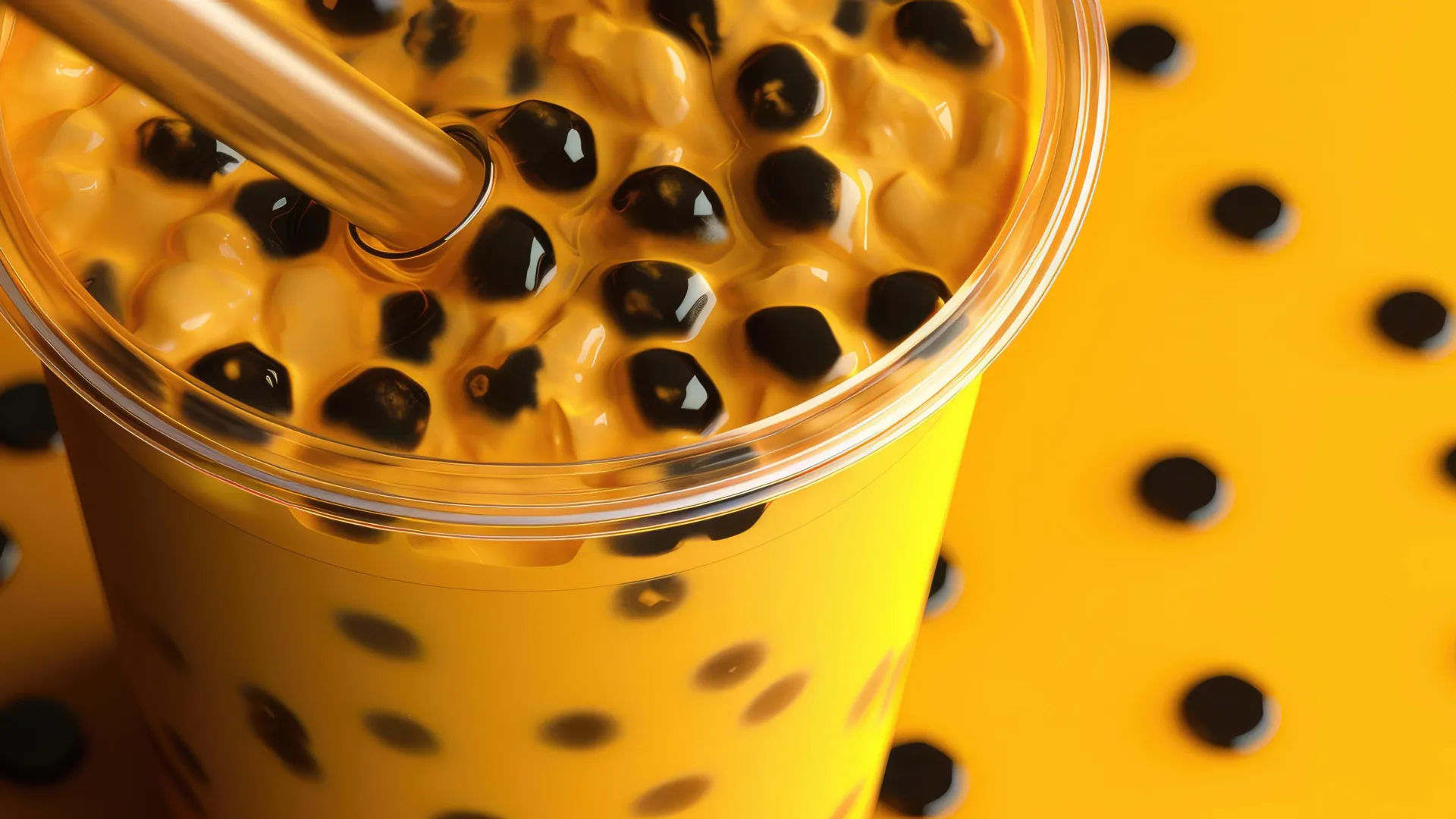
Bubble tea shops have become almost as ubiquitous in British high streets as coffee chains, captivating customers with their vibrant, Instagram-worthy drinks and a myriad of tantalizing flavors. Originating from Taiwan in the 1980s, this delightful beverage blends black tea, milk, sugar, and chewy tapioca pearls. However, as its popularity surges, it is crucial to examine potential health concerns associated with this trendy treat.
An investigation by Consumer Reports found elevated lead levels in some bubble tea products sold in the United States, raising concerns similar to past warnings about cassava-based foods. Since tapioca pearls are derived from cassava starch, they can absorb lead and other heavy metals from the soil, leading to potential contamination in the final product.
Digestive Risks From Tapioca Pearls
In addition to potential heavy metal exposure, tapioca pearls may pose digestive challenges. Their dense, starchy nature can slow stomach emptying—a condition known as gastroparesis—and in rare cases, even cause a complete blockage. Such complications can result in nausea, vomiting, and abdominal pain. Individuals with sluggish digestion may experience heightened symptoms. Moreover, guar gum, a common thickening agent in bubble tea, can contribute to constipation when consumed frequently.
Kidney Stones and Ingredient Concerns
Bubble tea may also impact kidney health. In 2023, doctors in Taiwan treated a 20-year-old woman who had developed over 300 kidney stones, reportedly due to substituting bubble tea for water in her diet. Some components of the drink, including oxalates and high phosphate levels, can promote the formation of kidney stones, though this case likely involved extreme consumption.
Children can face more immediate risks. Pediatricians have long warned that tapioca pearls can pose a choking hazard. Adults are not immune to this risk either; media reports from Singapore detailed a tragic incident involving a 19-year-old woman who died after inhaling three pearls while sipping through a partially blocked straw. In another instance, nearby bystanders’ quick actions prevented a similar tragedy.
High Sugar Content and Long-Term Health Effects
The high sugar content in bubble tea is another area of concern. A typical serving can contain between 20 and 50 grams of sugar—amounts that can rival or exceed those in a can of Coca-Cola (35g). Research in Taiwan has shown that children who regularly consume bubble tea by age nine are 1.7 times more likely to develop cavities in their permanent teeth. In California, public health experts have identified bubble tea as a contributing factor to rising obesity rates among young people, many of whom are unaware of the associated risks. The combination of high sugar and fat can increase the likelihood of type 2 diabetes, obesity, and metabolic disease. Regular consumption may also contribute to fatty liver disease, akin to other sugary products that spike blood sugar levels.
Possible Mental Health Links
Some surprising findings also highlight potential mental health implications. Studies involving children in China indicate a correlation between frequent bubble tea consumption and higher rates of anxiety and depression. A separate research study found similar associations among Chinese nurses, linking regular bubble tea intake to anxiety, depression, fatigue, job burnout, and lower overall well-being, even after controlling for other factors. The same study indicated that those who consumed less bubble tea experienced fewer suicidal thoughts, although establishing a direct cause-and-effect relationship remains challenging.
Tapioca Pearls Showing Up on Medical Scans
Physicians have reported an unusual side effect related to tapioca pearls appearing on medical imaging scans of patients hospitalized for unrelated issues. In instances involving car accidents or appendicitis, doctors have encountered clusters of pearls in the stomach and intestines. Due to their denser composition compared to surrounding tissue, these pearls can complicate diagnoses by mimicking kidney or gallstones.
None of this suggests that bubble tea should be entirely eliminated from menus. However, the available evidence indicates that it is prudent to treat bubble tea as an occasional indulgence rather than a regular part of one’s diet. For a safer experience, opting to sip directly from the cup instead of using a wide straw can help reduce the risk of choking and offer better control while drinking.
Key Takeaways
- Bubble tea may contain elevated levels of lead due to contamination from cassava starch.
- Consuming large amounts of tapioca pearls can cause digestive issues including gastroparesis.
- High sugar content in bubble tea raises concerns related to cavities, obesity, and metabolic diseases.
- Choking hazards exist for both children and adults when consuming tapioca pearls.
- There may be potential links between bubble tea consumption and mental health issues.
FAQ
Is bubble tea safe to drink regularly?
While bubble tea can be enjoyed occasionally, frequent consumption may lead to health risks due to high sugar content and potential digestive issues.
Can bubble tea cause choking?
Yes, tapioca pearls pose a choking hazard, especially for children and adults if consumed improperly.
What health concerns should I be aware of before drinking bubble tea?
Be mindful of potential heavy metal exposure, digestive issues, high sugar levels, and possible mental health links associated with regular consumption.
Are there healthier alternatives to traditional bubble tea?
Consider opting for bubble tea with reduced sugar or alternative ingredients, and be mindful of portion sizes.