Introduction
Over recent years, the realm of AI filmmaking has experienced tremendous growth. From its inception as basic experiments with AI-generated images and short video clips, it is now evolving into a comprehensive and innovative creative process. Today, artists and video creators are leveraging AI tools to brainstorm story ideas, design visual concepts, and craft compelling cinematic sequences.
Independent filmmakers, digital artists, and online creators are increasingly integrating AI into their projects, producing everything from short films to music videos, commercials, and avant-garde visual narratives. As this ecosystem continues to thrive, various platforms with unique capabilities are emerging, each catering to different aspects of the AI filmmaking journey. Below are five notable AI filmmaking platforms currently being explored by creators.
1. Ima Studio
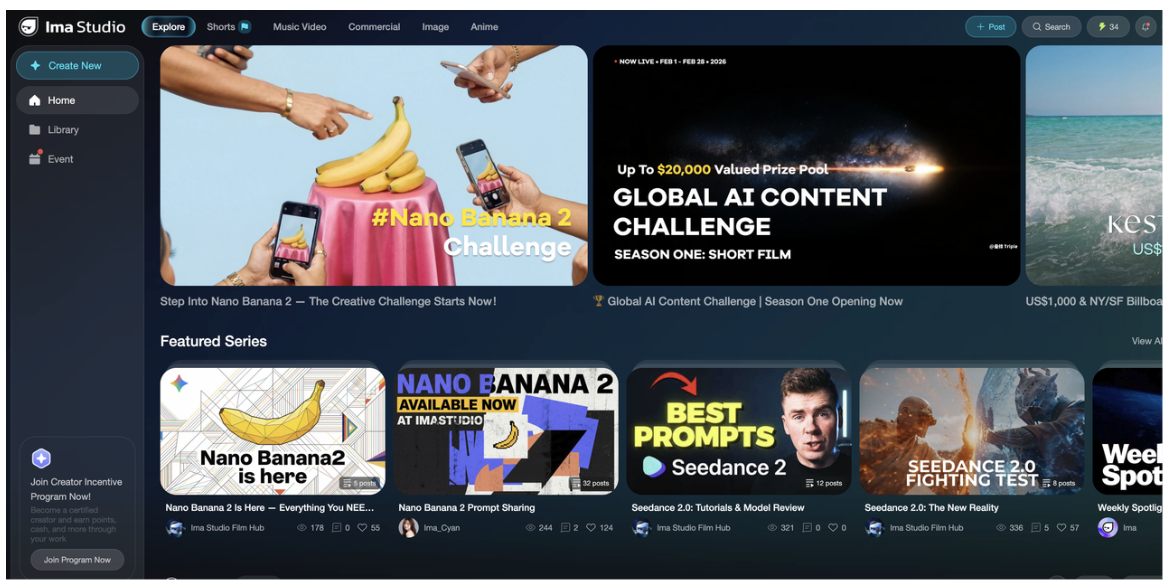
Ima Studio takes a comprehensive approach to AI filmmaking, offering a range of features that go beyond traditional tools. In addition to critical functionalities like AI video generation and AI image generation, the platform is designed to facilitate the entire storytelling process for creators.
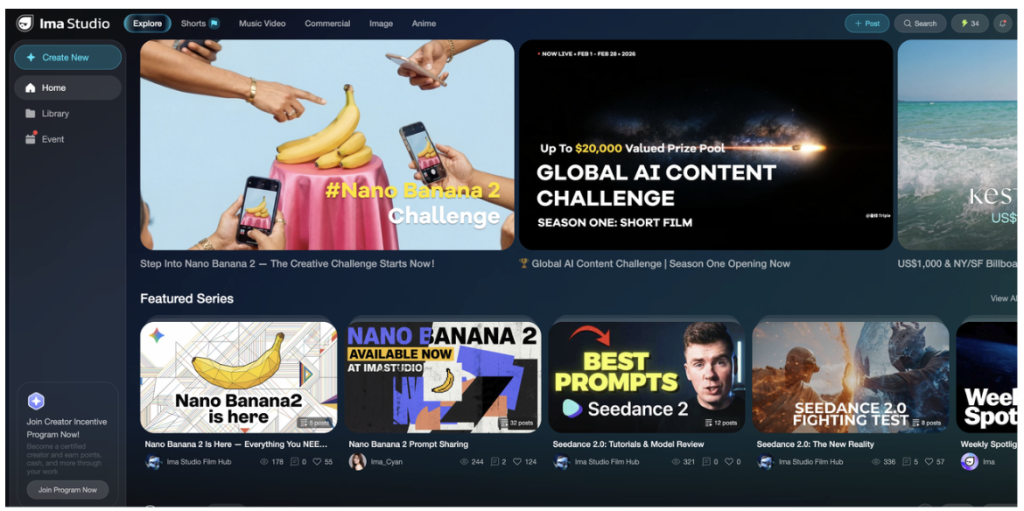
Ima Studio fosters a global community where users can create, view, and share films, music videos, and short visual stories. Creators have the opportunity to explore various AI models while discovering projects from fellow creators worldwide.
A standout feature of this platform is Ima Drama, specifically designed for longer storytelling formats like short films, episodic content, and commercials. Rather than generating separate clips, Ima Drama enables creators to traverse a complete AI filmmaking pipeline:
- Transforming an idea into a script
- Generating storyboards from the script
- Creating essential visual frames
- Producing extended AI-generated video sequences
This streamlined workflow allows creators to progress from concept to narrative video with significantly reduced manual effort. Beyond its suite of tools, Ima Studio also emphasizes the importance of community in AI filmmaking. Creators can publish their work, engage with others’ projects, and partake in discussions surrounding AI storytelling. Additionally, the platform hosts the Global AI Content Challenge (GAIC), an international competition encouraging creators to innovate in AI-driven storytelling.
2. Runway
Runway is one of the leading platforms in the realm of AI video generation. Its Gen series models have introduced countless creators to the possibilities of generating video clips directly from text prompts. Over time, Runway has expanded its offerings into a more comprehensive creative platform that merges AI video generation, editing tools, and creative workflows.
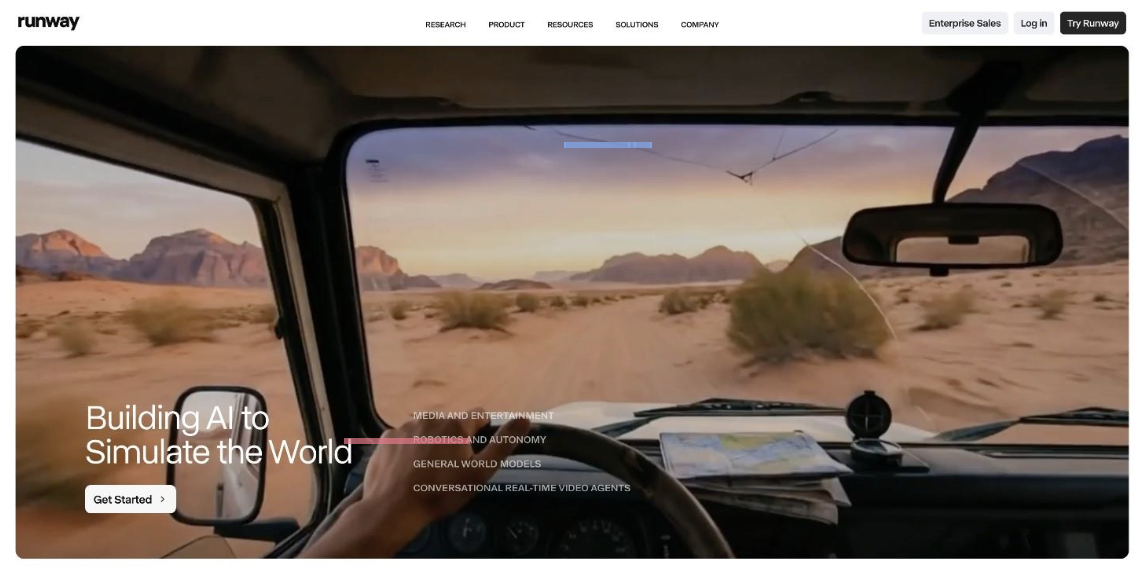
This platform is favored by experimental filmmakers, digital artists, and creative studios for prototyping visual concepts or crafting cinematic scenes. Some of Runway’s key advantages include:
- Advanced text-to-video models
- Integrated video editing and compositing tools
- Frequent updates to its generative models
The platform actively promotes AI filmmaking through its Runway AI Film Festival (AIFF), which showcases short films created using AI tools and highlights emerging talent exploring generative media. Each year, creators worldwide submit projects that push the boundaries of storytelling enabled by AI. By combining cutting-edge generative tools with events like the AI Film Festival, Runway enhances visibility in the burgeoning field of AI filmmaking.
3. Kling AI
Kling has emerged as a well-regarded AI video generation model, attracting notable attention among creators. This system focuses on delivering highly realistic scenes with natural motion and improved temporal consistency, distinguishing itself from earlier AI video technologies.
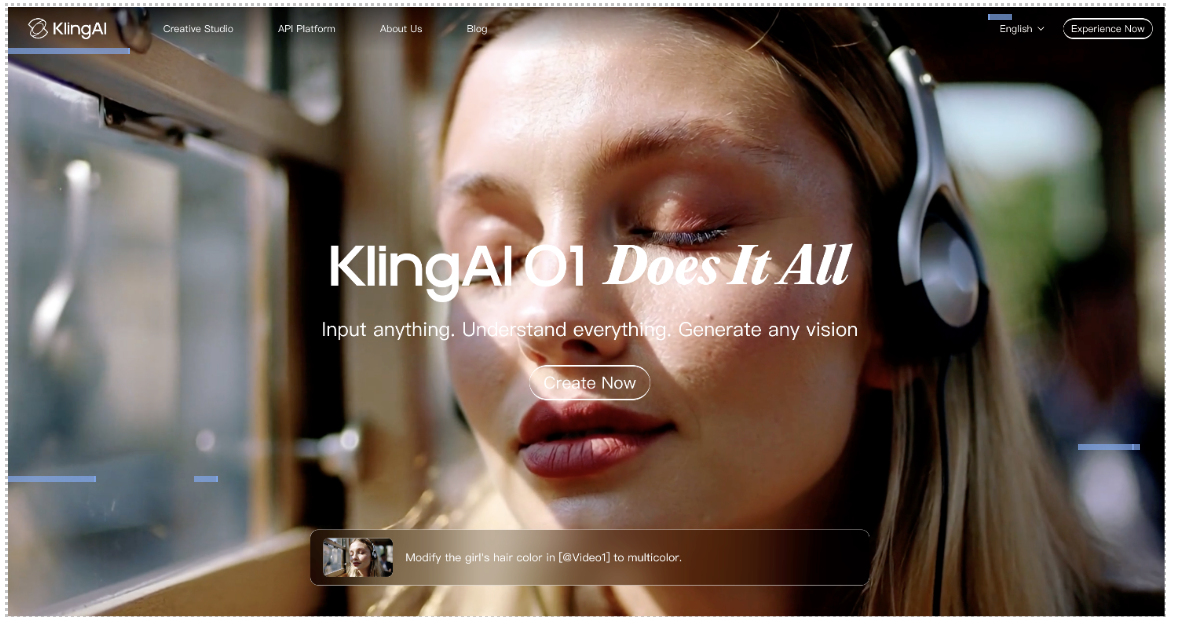
Due to its capability to produce more lifelike animations, creators often experiment with Kling to explore cinematic shots, character movements, and dynamic environments. Some of Kling’s notable features include:
- More natural motion and scene continuity
- Higher visual realism in generated sequences
- Support for more complex prompts and environments
Kling is swiftly becoming a talking point in the generative video landscape, particularly among creators eager to elevate the visual fidelity of their AI-generated footage.
4. OpenArt
OpenArt is popular within the AI art and design communities, mainly for image generation and visual concept development. Although its primary focus is not video generation, OpenArt plays a critical role in the preproduction stage of various AI filmmaking processes.
Creators utilize the platform for developing visual concepts before moving on to video production. Common applications include:
- Concept art and environment design
- Visual style exploration
By facilitating rapid generation and iteration of visual ideas, platforms like OpenArt serve as valuable assets in defining the aesthetic and direction of AI film projects.
5. Higgsfield
Higgsfield is a newer platform gaining traction within the generative video ecosystem. It aims to enable creators to experiment with AI-generated video and diverse cinematic styles.
The platform offers access to various generative models and tools tailored for creative exploration. While still expanding its capabilities, Higgsfield has captivated creators eager to experiment with cutting-edge video technologies. Key focus areas of the platform include:
- AI video generation models
- Experimental visual creation tools
- Creative exploration of generative media workflows
As the landscape of generative video continues to shift, platforms like Higgsfield are becoming integral to the broader ecosystem of tools for AI filmmaking.
The Future of AI Filmmaking
The realm of AI filmmaking is still in its formative stages, but the creative ecosystem surrounding it is expanding rapidly. Different platforms are starting to assume distinct roles in the creative process. Some prioritize powerful video generation models, while others emphasize visual development, storytelling workflows, or community engagement.
As a result, many creators are moving away from reliance on a single tool, opting instead to harness multiple platforms throughout their filmmaking journey. A typical workflow might involve generating visual concepts, creating AI video clips, and assembling them into a cohesive narrative project.
Simultaneously, platforms that integrate technology, creators, and creative events are beginning to mold a vibrant AI filmmaking culture. Whether through cohesive storytelling workflows, advanced video generation algorithms, or community-oriented initiatives like filmmaking challenges, the ecosystem is evolving as more artists embrace AI-driven storytelling.
For creators venturing into this exciting landscape, platforms such as Ima Studio, Runway, Kling, OpenArt, and Higgsfield are playing pivotal roles in shaping the future of AI-powered filmmaking.