March 5, 2026Updated March 6, 2026, 8:23 a.m. ET
Kansas, Nevada, Ohio, and Wyoming have now joined 18 other states in enforcing restrictions on purchase options for recipients of food assistance using taxpayer-funded benefits.
On March 4, U.S. Secretary of Agriculture Brooke Rollins approved new waivers that allow states to limit what can be bought with Supplemental Nutrition Assistance Program (SNAP) benefits.
These waivers are customized for each state, with the majority prohibiting the purchase of soda and candy.
The latest:
“As I have said before, Wyoming taxpayers expect their dollars to support food assistance that helps families put healthy food on the table,” stated Wyoming Republican Governor Mark Gordon in a statement. “This waiver aims to foster healthier communities in Wyoming and represents a reasonable step that aligns the program with its original intent.”

For 60 years, the Department of Agriculture has rejected state requests to impose restrictions on SNAP-eligible foods, citing a statutory definition of “food” established by Congress. Professor Tyson-Lord Gray from the Benjamin N. Cardozo School of Law commented that SNAP beneficiaries could purchase anything except for alcohol, tobacco, prepared foods, and personal care items.
The Trump administration began issuing waivers in 2025, even though there has been no legislative change. The USDA states these waivers fall under its authority to pilot projects that assess the effects of food exclusions on health and nutrition.
“The Trump Administration is focused on enhancing the health of our nation. America’s governors have taken steps to innovate by enhancing nutrition programs, ensuring healthier choices while being mindful of taxpayer contributions. Each waiver submitted and signed denotes progress toward fulfilling President Trump’s objective to Make America Healthy Again,” remarked Rollins during the signing of the first waivers in June 2025.
States such as Arkansas, Colorado, Florida, Hawaii, Idaho, Indiana, Iowa, Louisiana, Missouri, Nebraska, North Dakota, Oklahoma, South Carolina, Tennessee, Texas, Utah, Virginia, and West Virginia have received waivers, many of which emphasize prohibitions on candy and sugary beverages, and some specifically address energy drinks or juices. Each state has its own guidelines on what constitutes banned items.
Gray expressed surprise that there have been no lawsuits filed against these changes. In 2007, the USDA shared that the pilot project authority being used by the Trump administration was not meant for restricting food choices.

Gray noted that businesses operating in multiple states may encounter “compliance chaos,” as variances in regulations will necessitate updates to point-of-sale systems and employee training across locations.
“Every state has its own criteria for what defines candy or a sugary beverage. Businesses with operations nationwide will have to ensure their (point of sale) systems are updated according to each state’s specific restrictions,” he explained.
While Congress has not altered the legal definitions of eligible purchases, it has incentivized states to seek waivers as part of the GOP tax and spending bill enacted last summer. This legislation established a $50 billion Rural Health Transformation Program, which scores states based on their willingness to apply for SNAP restriction waivers.
Key Takeaways
- 18 states have implemented restrictions on SNAP purchases, focusing mainly on candy and soda.
- Waivers allowing these restrictions were signed by the U.S. Secretary of Agriculture on March 4, 2026.
- The initiative aims to promote healthier food choices among SNAP recipients.
- Compliance challenges may arise for businesses operating in multiple states due to differing regulations.
- No lawsuits have been filed against these changes to date.
FAQ
What are SNAP benefits?
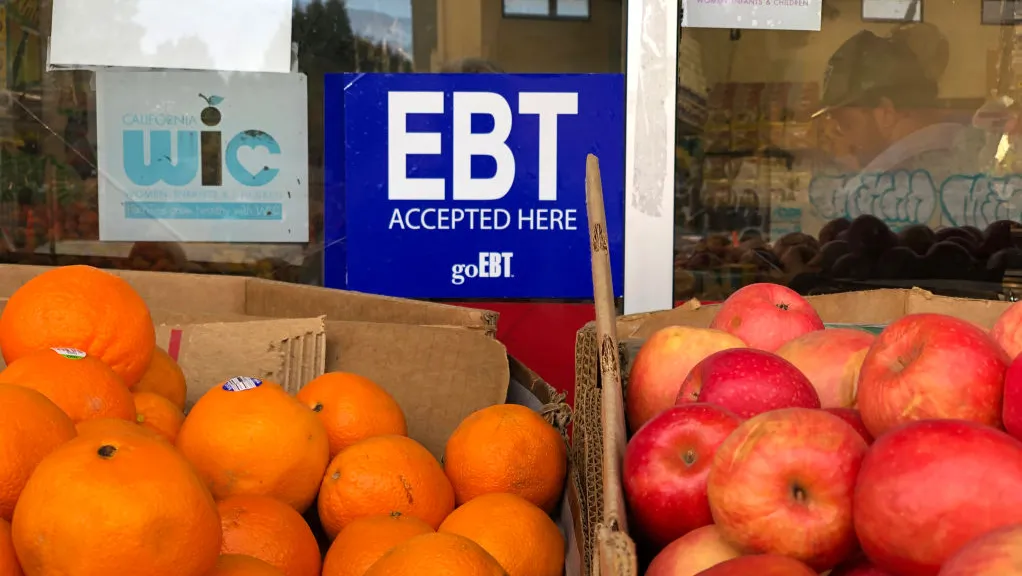
SNAP benefits are government-issued funds that assist low-income individuals and families in purchasing food through an Electronic Benefits Transfer (EBT) card.
Why are some foods restricted under SNAP?
States have implemented restrictions to encourage healthier eating habits among recipients and optimize the use of taxpayer funds.
How many states have current restrictions on SNAP purchases?
As of now, 18 states have enacted restrictions, mainly banning the purchase of items like candy and sugary beverages.
What is the Rural Health Transformation Program?
This program incentivizes states to seek waivers for SNAP restrictions, with a funding pool of $50 billion aimed at improving health outcomes.
In summary, states are increasingly looking to reshape SNAP benefit restrictions to encourage healthier eating habits among recipients. Ongoing developments may have significant implications for both beneficiaries and businesses alike.