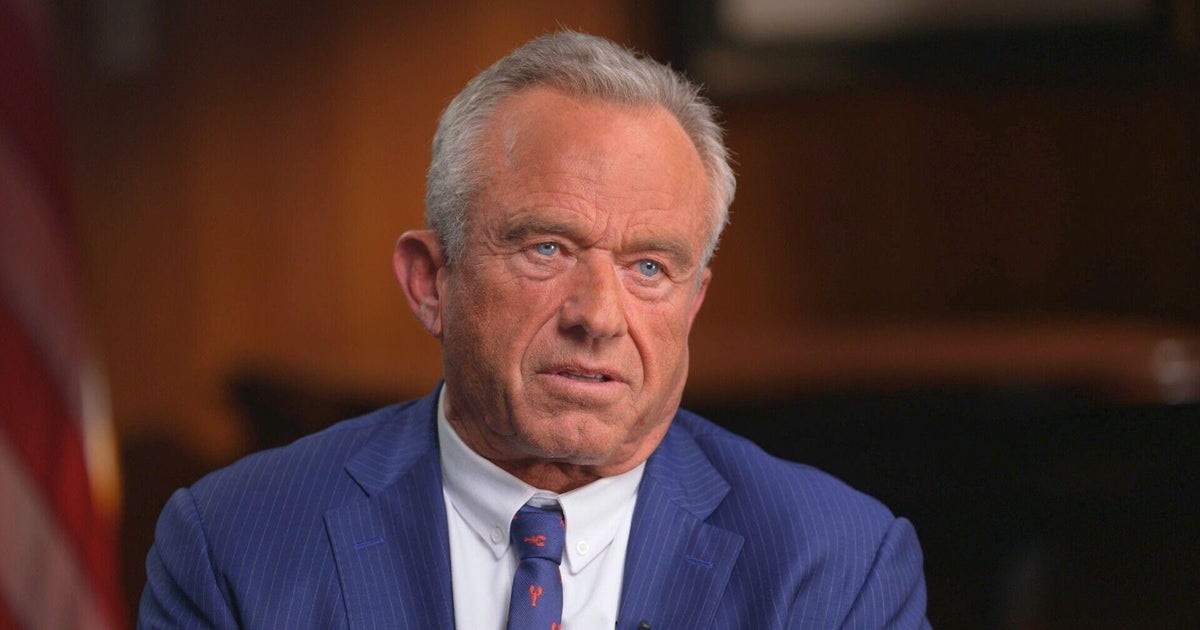
In a bold move to promote healthier choices, Health and Human Services Secretary Robert F. Kennedy Jr. is calling out two of the most popular coffee chains, Dunkin’ and Starbucks. His initiative, “Make America Healthy Again,” aims to scrutinize the high-sugar beverages found in these establishments, particularly as they relate to teenage consumers.
Concerns Over High-Sugar Beverages
Kennedy has urged both chains to provide evidence that their sugary drinks are safe for teenagers, specifically questioning the appropriateness of an iced coffee containing 115 grams of sugar. He expressed skepticism about their ability to substantiate such claims.
Massachusetts Governor Maura Healey, whose state is home to Dunkin’, responded to Kennedy’s challenge with a defiant message on X, sharing an image of a Dunkin’ cup accompanied by “COME AND TAKE IT.”
Federal Guidelines and Health Experts
Recent federal dietary guidelines suggest that meals should contain no more than 10 grams of added sugar. However, a significant number of Dunkin’s beverage options exceed this recommendation, with at least six drinks containing over 100 grams of sugar.
Dr. Céline Gounder, a CBS News contributor, emphasized that this issue transcends any single brand. “Ultra-processed foods and beverages are harmful, regardless of the source,” she noted, cautioning that people should not consider sugary drinks as regular beverages.
Potential Solutions and Government Role
Research indicates that taxes on sugary drinks and warning labels can effectively curb consumption. Dr. Gounder remarked that a direct ban on such beverages is unlikely, suggesting a need for either new regulations or local government interventions. “The FDA is not the ‘sugar police’ and cannot outright ban sugar in drinks,” she added.
Health Implications
According to the Centers for Disease Control and Prevention, regularly consuming sugary drinks is linked to various health issues, including weight gain, obesity, type 2 diabetes, heart disease, and dental problems.
Response from Dunkin’ and Starbucks
The Department of Health and Human Services has announced measures to bolster reviews and close regulatory loopholes, although specifics about Kennedy’s potential actions against high-sugar products remain unclear. Dunkin’ and Starbucks have not responded to the ongoing discussion. Recently, Dunkin’ introduced a zero-sugar energy drink available in six flavors, highlighting an effort to adapt to changing consumer preferences.
Key Takeaways
- Robert F. Kennedy Jr. questions the safety of high-sugar beverages for teenagers.
- Massachusetts Governor Maura Healey expresses support for Dunkin’.
- Current federal guidelines recommend no more than 10 grams of added sugar in beverages.
- Experts suggest taxes and warning labels may help reduce sugary drink consumption.
- Frequent consumption of sugary drinks is associated with various health risks.
FAQ
Why is sugar content in beverages a concern for teenagers?
High sugar intake can lead to health issues such as obesity, diabetes, and other chronic conditions, particularly in adolescent populations.
What are some alternatives to sugary drinks?
Choosing water, herbal teas, or drinks with low or no sugar content can be healthier alternatives.
Have there been successful strategies to reduce sugary drink consumption?
Yes, implementing taxes on sugary beverages and placing warning labels can effectively lower their consumption rates.