Local Kids Create Video Games This Summer
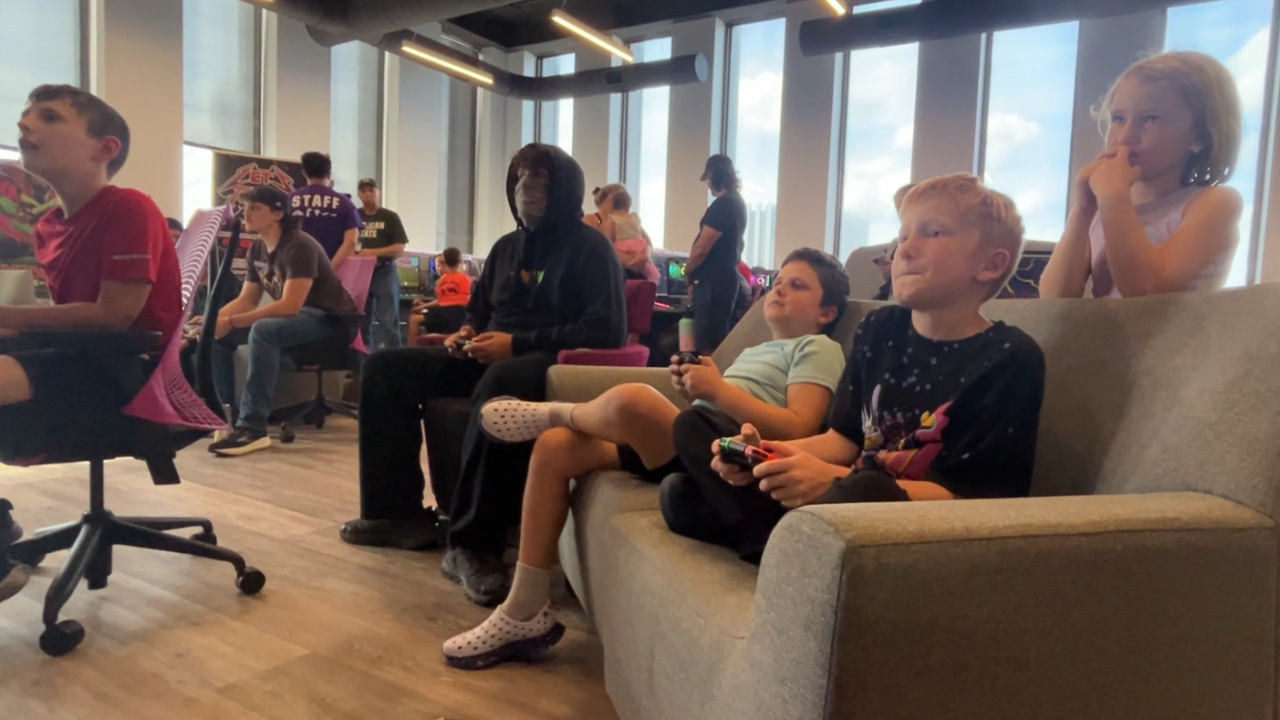
ROCHESTER, N.Y. — A group of local kids spent their summer diving into the exciting world of video game creation. On exhibition day at Great Lakes Gaming in Rochester’s Innovation Square, they showcased the games they developed, learning about programming, digital art, and the technology that powers video games.
Jennifer Lewke from News10NBC attended the event and proudly observed her child Jett’s creations. Ben Garvey, founder of Great Lakes Gaming, noted that there are vast career opportunities in the video game industry, extending beyond just game development.
Garvey commented, “Every kid wants to be a YouTuber. I know Jett wants to be a YouTuber. So we teach them how to use multiple tools that professionals utilize, from newscasting to sports broadcasting and including skills valuable for aspiring YouTubers.”
This summer, Great Lakes Gaming collaborated with the Rochester City School District and RIT to provide free camp scholarships to over 100 children, making this unique experience accessible to many.