The ongoing conversation around food safety and ingredient transparency is gaining momentum, particularly with recent statements from U.S. Secretary of Health and Human Services Robert F. Kennedy Jr. His latest initiative calls for greater scrutiny of beverages from major chains like Dunkin’ and Starbucks. This article delves into his proposal and its potential implications for consumers and the beverage industry.
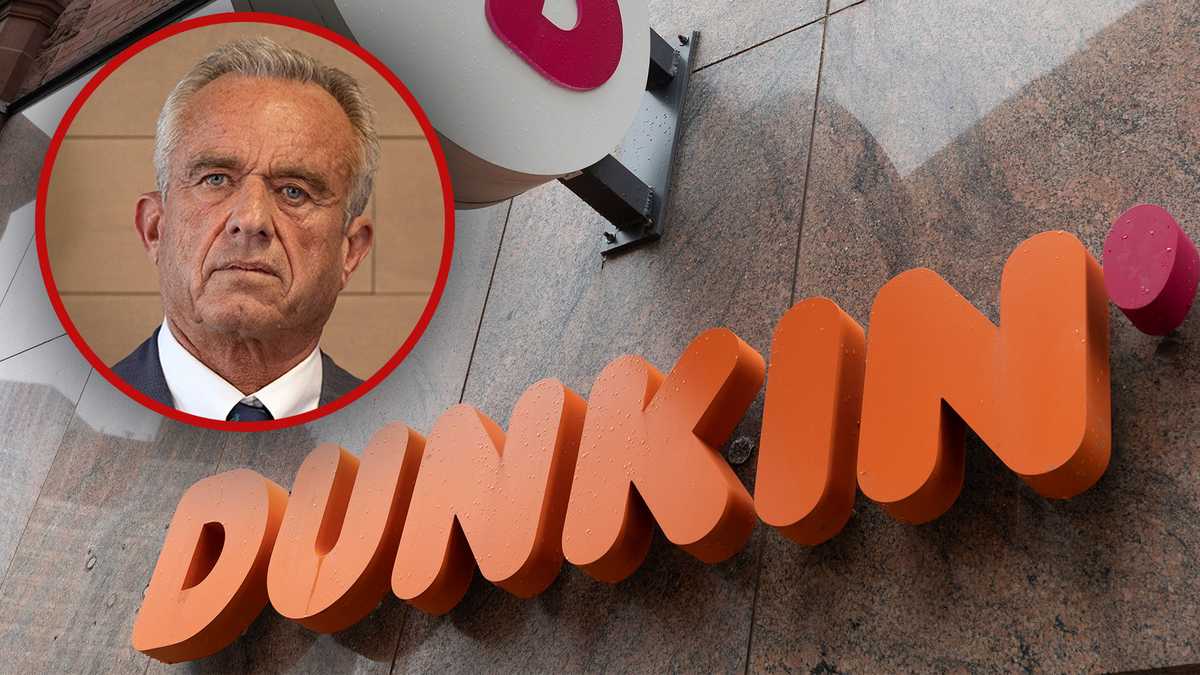
U.S. Secretary of Health and Human Services Robert F. Kennedy Jr. announced he will be requiring “proof of safety data” from Dunkin’ and Starbucks in his latest push for the Make America Healthy Again movement and scrutiny of food and beverage ingredients.
“We’re going to ask Dunkin’ Donuts and Starbucks, ‘Show us the safety data that show that it’s okay for a teenage girl to drink an iced coffee with 115 grams of sugar in it,’” Kennedy said at the Austin Eat Real Food Rally last week. “I don’t think they’re gonna be able to do it.”
The event was hosted by MAHA Action, a political group that supports Kennedy’s agenda. The Health and Human Services Department did not immediately respond to a request for comment.
Earlier this month on 60 Minutes, Kennedy stated that the Food and Drug Administration is considering petitions to revoke the safety status of carbohydrates if companies cannot substantiate their safety claims. Additionally, he expressed intentions to explore a citizen petition regarding the removal of sweeteners and starches classified under GRAS (Generally Recognized as Safe).
The GRAS category permits specific ingredients to bypass premarket approval for food additives. Originally set in 1958 for ingredients with a long track record of safety, like salt and vinegar, it now also encompasses components commonly found in ultra-processed foods.
The citizen petition, put forth by pediatrician and former FDA commissioner David Kessler, contends that companies should be required to provide evidence of the safety of their food ingredients.
“To revoke GRAS status, the FDA does not have to demonstrate that the processed refined carbohydrates used in industrial processing are unsafe, only that their safety has not been established,” the petition states.
Tufts dietitian Sandra Zhang mentioned that the recommended daily sugar intake is 50 grams. Many sugary drinks, including specialty coffees, often exceed this amount.
“I usually recommend it maybe once per week and educate people and teenagers on smart ordering, perhaps guiding them on how to read nutrition labels on these drinks,” Zhang explained.
Regular customers at Dunkin’ believe that dietary issues in America extend beyond just iced coffee.
“I think we have greater issues like food deserts and other factors contributing to obesity. I don’t believe that Dunkin’s sugary drinks are the root of the problem,” said Dunkin’ patron Amy Pattelena.
“He’s micro-focusing, which is the worst way to address the issue,” commented Kelly Hartnett. “It just alienates people from enacting change.”
Governor Maura Healey promptly reacted to Kennedy’s announcement by posting a modified version of the Texas “Come and Take it” flag featuring an iced Dunkin’ drink in place of a cannon.
This content is imported from Twitter. You may be able to find the same content in another format, or you may be able to find more information, at their web site.
Dunkin’ did not immediately respond to a request for comment.
Key Takeaways
- Robert F. Kennedy Jr. demands proof of safety data from Dunkin’ and Starbucks.
- The focus is on excessive sugar content in popular beverages.
- The FDA is considering altering the safety status of certain carbohydrate ingredients.
- The GRAS category has expanded since its inception in 1958.
- Concerns about America’s dietary issues extend beyond sugary drinks.
FAQ
What is the GRAS category?
The GRAS (Generally Recognized as Safe) category allows certain ingredients to bypass premarket approval based on their long history of safety.
Why is Kennedy focusing on Dunkin’ and Starbucks?
Kennedy aims to hold these companies accountable for the high sugar content in their beverages, particularly concerning teenage consumption.
What has the FDA said regarding ingredient safety?
The FDA is considering whether to revoke the safety status of some carbohydrates if companies cannot demonstrate their safety.