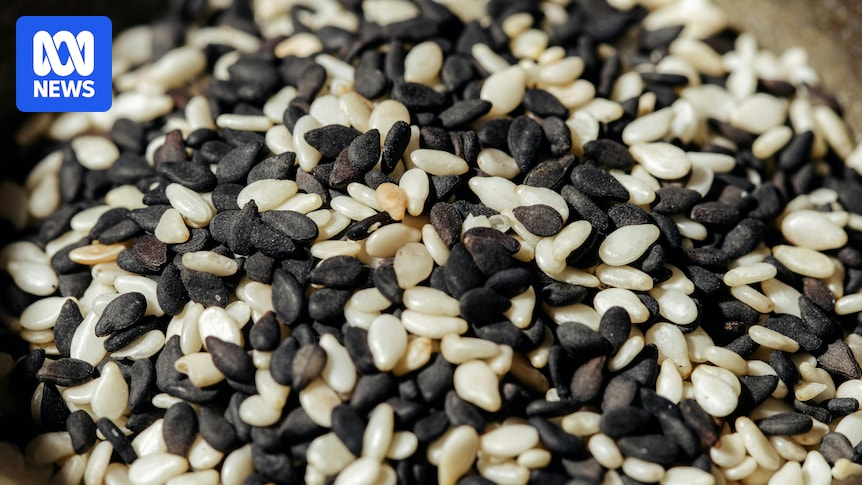
Black sesame has recently gained popularity as a plant-based ingredient, captivating many with its striking color and nutty flavor.
Social media is buzzing with claims that these dark seeds surpass their white counterparts in health benefits. They are believed to help lower blood sugar levels, reduce the risk of heart disease, and even reverse grey hair.
But is black sesame truly emerging as the new matcha? Many might recall that green tea once enjoyed the limelight for its potential health benefits.
What is black sesame? What’s in it?
Sesame seeds come in various colors, including white, yellow, and black, and have been a staple in traditional Asian cooking for centuries.
Today, they find their way into both savory and sweet dishes, providing a valuable source of protein. Rich in fats (roughly 50-64%), sesame is also prized for its oil.
However, notable differences exist between black and white sesame regarding key nutrients.
Black sesame typically has higher levels of fat, protein, and carbohydrates, leading to more energy content. It also tends to boast elevated levels of vitamins and minerals.
While sesame seeds are undeniably nutritious, the nutrient values provided are based on a 100-gram serving, roughly equivalent to two-thirds of a metric cup—an amount most people wouldn’t consume daily.
Traditionally, sesame seeds serve as garnishes for items like stir-fries, curries, and bread. In several cultures, they play a more prominent role as key components in treats containing sugar and fat, such as halva, cookies, tahini, and sesame bars.
It’s also essential to note that sesame seeds harbor anti-nutrients, which are natural compounds, like oxalic acid and phytic acid. These can bind to minerals (e.g., iron, calcium, and zinc) and hinder their absorption by the body.
For many, consuming foods that contain oxalates and phytic acid is generally not a concern. However, if you have a known deficiency, increasing your intake of sesame seeds may not be advisable. In this case, consulting with a registered dietitian is recommended.
What about antioxidants?
Free radicals are naturally formed during bodily processes like metabolism, as well as from exposure to UV light, pollutants, and chemicals. These can inflict damage on proteins, cell membranes, and DNA.
Sesame seeds are rich in antioxidants, which help neutralize free radicals, preventing cellular harm.
Research indicates that black sesame seeds contain higher levels of phenols—an antioxidant category—when compared to white sesame seeds.
Additionally, black sesame seeds have greater concentrations of lignans, a vital group of phenols, compared to their white counterparts.
Studies on cells and animals have examined sesamin, the primary type of lignan, and highlighted its antioxidant benefits, along with cholesterol-lowering, blood pressure-reducing, and anti-tumor effects.
However, having more antioxidants does not necessarily guarantee tangible health benefits.
Sesame seeds contain antioxidants that can “mop up” free radicals, preventing cellular damage. (ABC Capricornia: Rachel McGhee)
Is black sesame healthy?
BMI, blood pressure, and cholesterol
A systematic review encompassing six studies with a total of 465 participants evaluated the health benefits of sesame seeds, oil, or capsules.
The authors found a statistically significant reduction in BMI (body mass index), blood pressure, and cholesterol levels across studies. Participants consumed between 0.06 and 35 grams per day over four to eight weeks. However, not all studies were placebo-controlled or double-blinded, and some participants continued their medication.
Due to these factors, the authors classified the evidence as low quality, making it impossible to issue health recommendations.
Only one study in this review focused specifically on black sesame, examining the effects of 2.52 grams per day in capsule form over four weeks. This study found a reduction in systolic blood pressure from approximately 129 mmHg to around 121 mmHg in individuals with prehypertension.
Grey hair
To date, there have been no scientific studies examining the impact of black sesame seeds on hair color.
Furthermore, current research provides no evidence that any food or supplement can reverse grey hair.
Any risks?
Yes, approximately 0.1-0.9% of the global population has a sesame allergy, with this rate seemingly on the rise.
As with all food allergies, symptoms can range from mild to severe. Anaphylactic reactions require immediate medical attention.
So what should I do?
The growing popularity of black sesame introduces a new ingredient to enhance your culinary creations. If it doesn’t pique your interest, regular sesame seeds remain an excellent choice.
Considering the small quantities we usually consume, the choice between black or white sesame seeds won’t significantly affect your overall health.
As for the claim that black sesame can reverse grey hair, it’s best not to rely on this.
Maintaining a diverse and balanced diet is the most effective strategy for obtaining the necessary nutrients for optimal health, both physical and mental.
Evangeline Mantzioris is an accredited practicing dietitian and program director of Nutrition and Food Sciences at Adelaide University. This article first appeared in The Conversation.