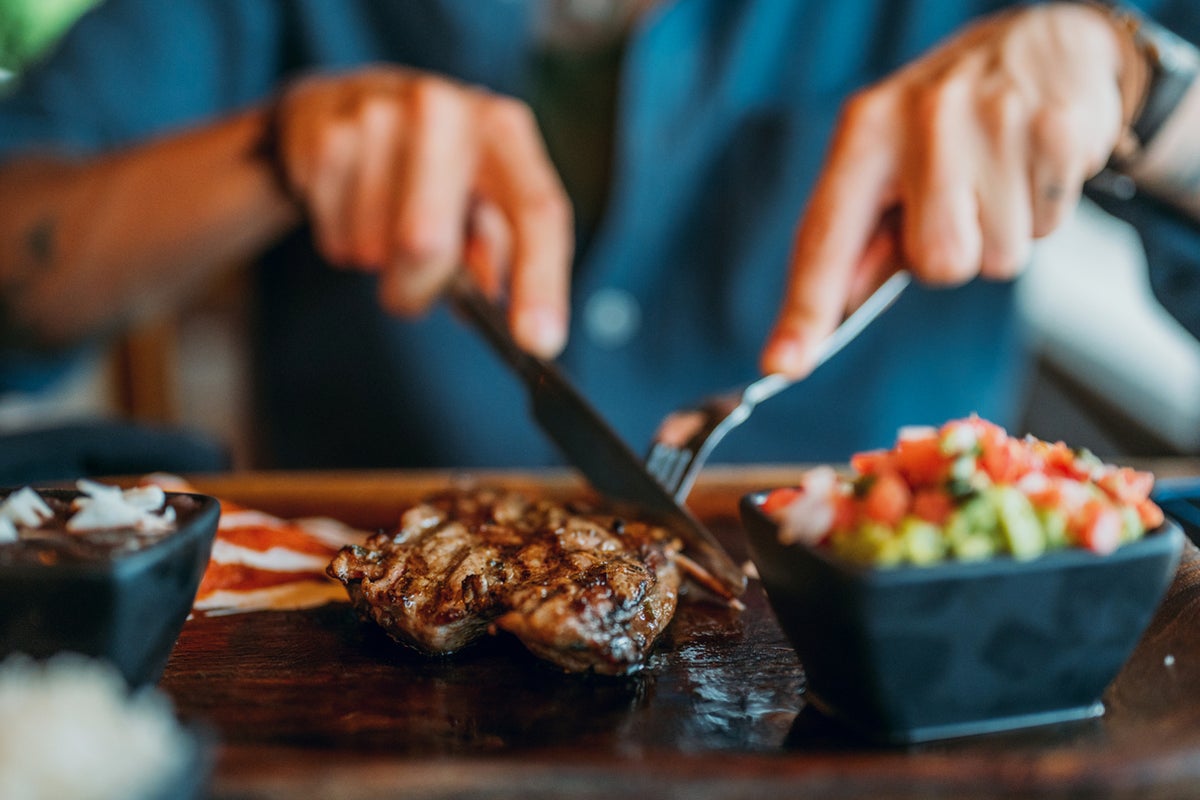
While young women are enjoying a meal consisting of bread, cheese, and fruits—popularly dubbed “girl dinner”—young men are focusing on rice and beef to support their physical strength, coining it “boy kibble.”
The term “girl dinner” came into the spotlight in 2023 when TikTok user Olivia Maher shared her concept for an ideal meal of bread and cheese, sparking a viral trend on TikTok. Young women began creating platters of cheeses, breads, pickles, and fruits, making this simple meal a sensation.
Now, Gen Z men have their own counterpart: in January, a TikTok user known as @thequadfather introduced “boy kibble,” a straightforward dish of beef and rice.
“While you all are having girl dinner, I’m enjoying boy kibble,” he stated, showcasing the protein-packed ground beef. “We are not the same.”
In the video, which has garnered nearly 205,000 views, he emphasized, “Boy kibble > girl dinner.”
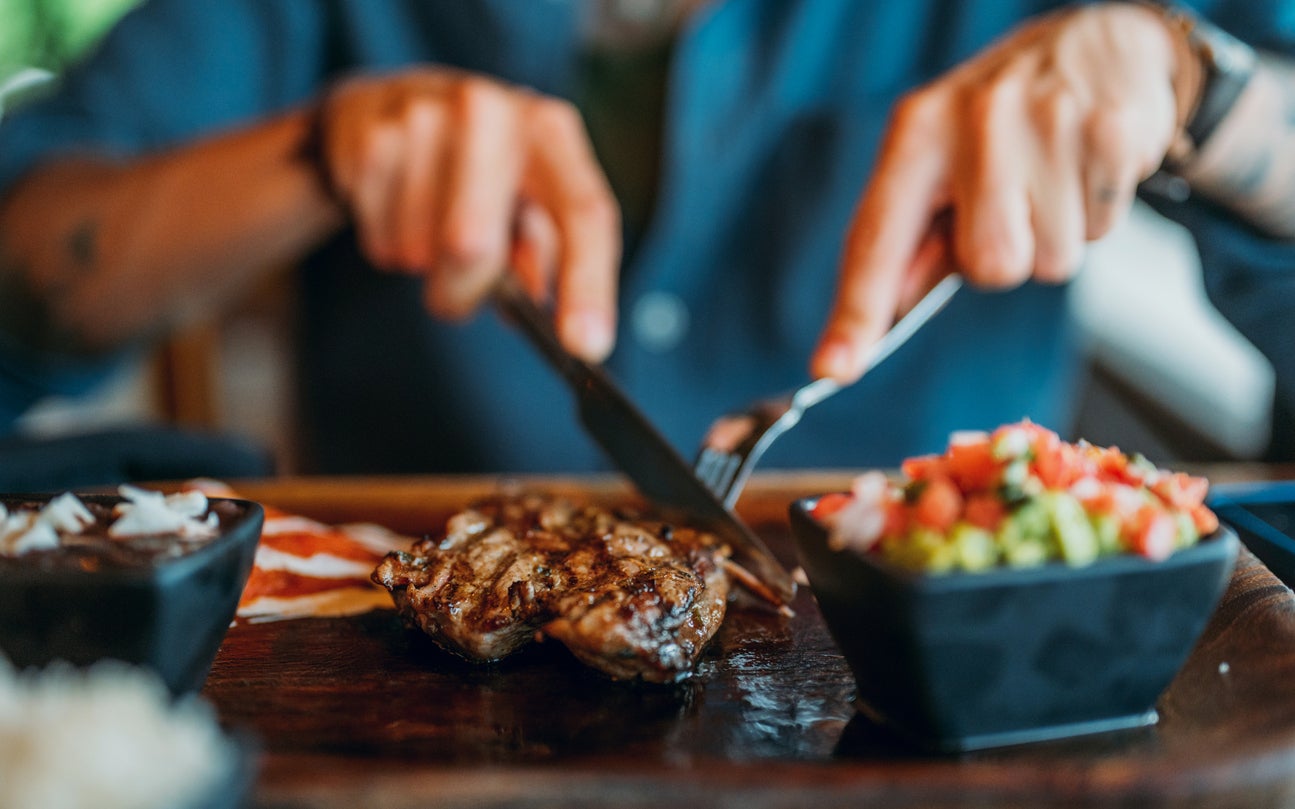
This meal has rapidly turned into a trending food phenomenon online, with Gen Z men proudly displaying their meat and rice bowls. For instance, content creator Harry admitted to eating this dish, which resembles dog kibble, several times a week.
“So, I suppose we’re calling it boy kibble now. It’s simply a guy’s lunch or dinner,” he remarked. “Truth be told, it does look like kibble. And I eat this Monday to Friday for lunch and dinner.”
Instead of ground beef, he opted for ground turkey, paired with rice and avocado.
Another TikTok user, Erik, shared his version, substituting potatoes for rice in his “boy kibble” and enriching it with a generous portion of kale, packed with magnesium, potassium, and vitamin K.
Ground beef is known for its high protein content. A three-and-a-half-ounce serving of broiled ground beef with 10 percent fat delivers 26.1 grams of protein, according to Healthline.
This protein-focused meal has resonated with Gen Z men, particularly following recent changes to U.S. dietary guidelines. The 2025-2030 U.S. Dietary Guidelines, announced by the Trump Administration in January, advocate for the consumption of red meat, whole milk, and other animal proteins while minimizing plant-based alternatives.
These recommendations suggest that adults should consume between 1.2 to 1.6 grams of protein per kilogram of body weight, translating to a daily intake of at least 100 grams of protein for many adults, with a significant portion originating from animal sources.