During my winter break, I returned to Massachusetts to spend time with family for the holidays. Our discussions naturally drifted to the noticeable differences in the cost of living between my home state of Massachusetts and my adopted state, Louisiana.
The contrast is quite significant. According to the World Population Review’s Cost of Living Index, living expenses in Massachusetts are approximately 1.5 times higher than in Louisiana. Housing costs are even more pronounced, with homes in Massachusetts costing about 2.3 times more than those in Louisiana. For instance, I purchased my 1,200 sq ft, 2-bedroom, 1.5-bath condo for $142,000 last August. In comparison, a similar condo in Worcester, Massachusetts, sold for just shy of $400,000 this past fall. This high cost of living has led to a net loss of around 30,000 residents leaving Massachusetts for other states.
I strongly advocate for free markets and the YIMBY (Yes In My Back Yard) movement, which seeks to enhance housing availability by relaxing building restrictions. My belief is that Massachusetts should pursue aggressive development with the slogan “build, baby, build.” However, my aunt countered with the observation that there is a great deal of construction underway in Massachusetts, which she is correct about; approximately 90,000 housing units are currently in progress in the state. My retort was, “It’s still not enough housing.”
In making that statement, I committed a basic Economics 101 error: I was reasoning from a quantity change. This reflects a different issue than what my former co-blogger Scott Sumner often discusses, which is reasoning from a price change.
Reasoning from a price change involves assessing how quantity is likely to change in response to a price shift. For example, one might predict that demand will decrease when prices rise. However, this reasoning fails to consider the why behind price increases, which is crucial for understanding how equilibrium quantity will adjust.
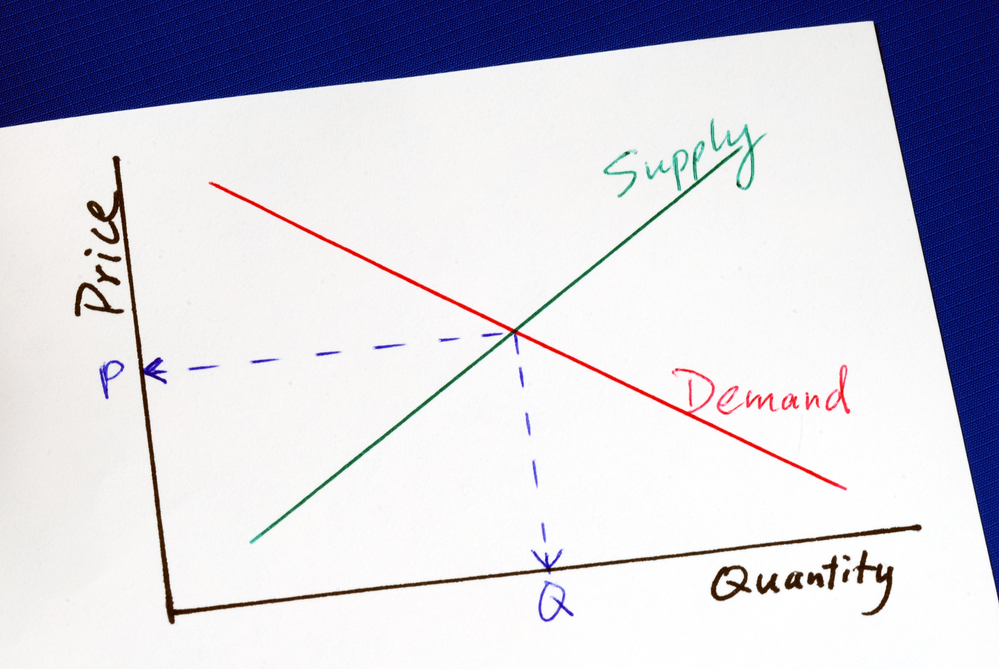
Without grasping the why, making sound predictions regarding the what becomes challenging. Prices can rise due to two factors: increased demand or decreased supply. The implications for quantity vary significantly depending on which factor is at play. If prices rise due to a decrease in supply, the market quantity will likely fall, as suppliers will be unwilling to sell as much at any given price. Conversely, if prices are climbing due to an increase in demand, then buyers are eager to purchase more at available prices, leading to an increase in market quantity.
The reasoning from a quantity change shows similar pitfalls. Just as a price change doesn’t clarify the expected change in quantity, a quantity change does not provide insight into expected price changes.
Quantity variations are also influenced by shifts in supply and demand. If demand drops, overall market quantity decreases, resulting in lower prices since consumers are less willing to purchase at previous levels. Producers then reduce output to limit costs and protect profits. Conversely, if supply dwindles, prices escalate as production costs rise, leading to reduced quantities supplied.
In the case of Massachusetts, the observed increase in housing construction can stem from either heightened demand or improved supply.
If demand for housing is indeed rising in Massachusetts, this translates into higher prices that buyers are willing to pay. Suppliers may respond by constructing more homes to meet these increasing demand-driven prices. They recognize that potential homeowners are prepared to pay more, prompting builders to align with those rising prices.
On the other hand, if the increasing number of homes is due to enhanced supply, prices are likely to decrease as builders compete to attract buyers. The actual dynamics driving the Massachusetts housing market is a topic deserving of a separate discussion, which falls outside the focus of this post.
While increasing the quantity of homes might temporarily lower prices, simply elevating the quantity supplied isn’t a long-term solution. A surplus occurs when supply surpasses demand, compelling firms to cut prices to sell off surplus inventory. However, such price declines will only persist until the market reaches equilibrium. Ultimately, the equilibrium price will not decrease just because the quantity supplied has risen; underlying supply dynamics must be addressed.
Thus, my initial comment to my aunt was misguided. I would have been more accurate in stating: “To make housing affordable, we need to lower construction costs in Massachusetts, thereby boosting the overall supply of homes that can be built. Merely constructing more homes won’t suffice if demand also escalates concurrently. It’s essential to examine the barriers to affordable housing, such as zoning regulations and the permitting process. Reducing the cost of building—essentially increasing supply—is the only viable method to achieve sustainable reductions in housing prices.”
In conclusion, navigating the complexities of housing economics requires an understanding of both demand and supply dynamics. By addressing construction costs and regulatory barriers, we can strive for a more affordable housing market that serves the needs of all residents.