Elevate Your Fitness: Exploring National Physical Fitness Certification Centers
Staying fit and active is essential for maintaining overall health and well-being. In this article, we’ll delve into the latest developments regarding National Physical Fitness Certification Centers, highlight their importance, and offer practical advice on how you can benefit from these facilities.
*This content was translated by AI.
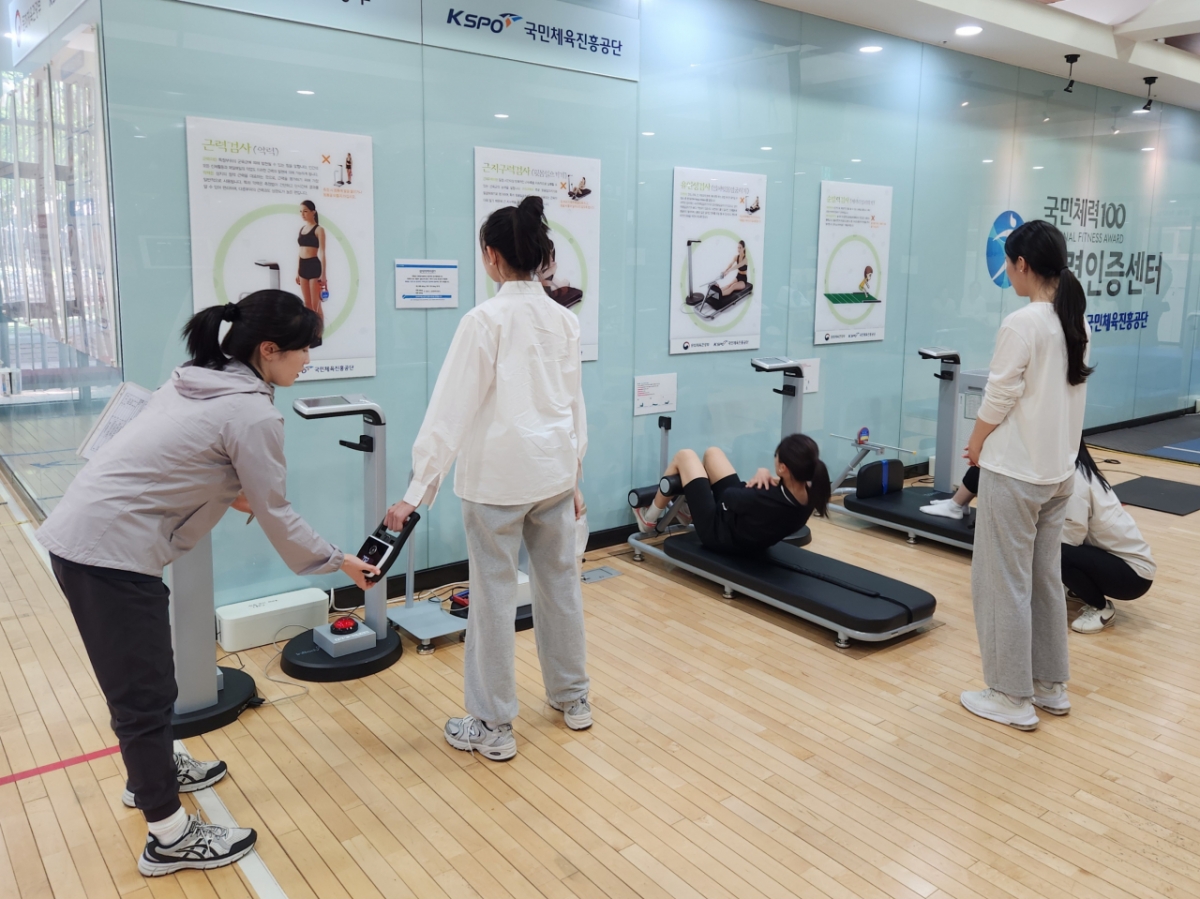
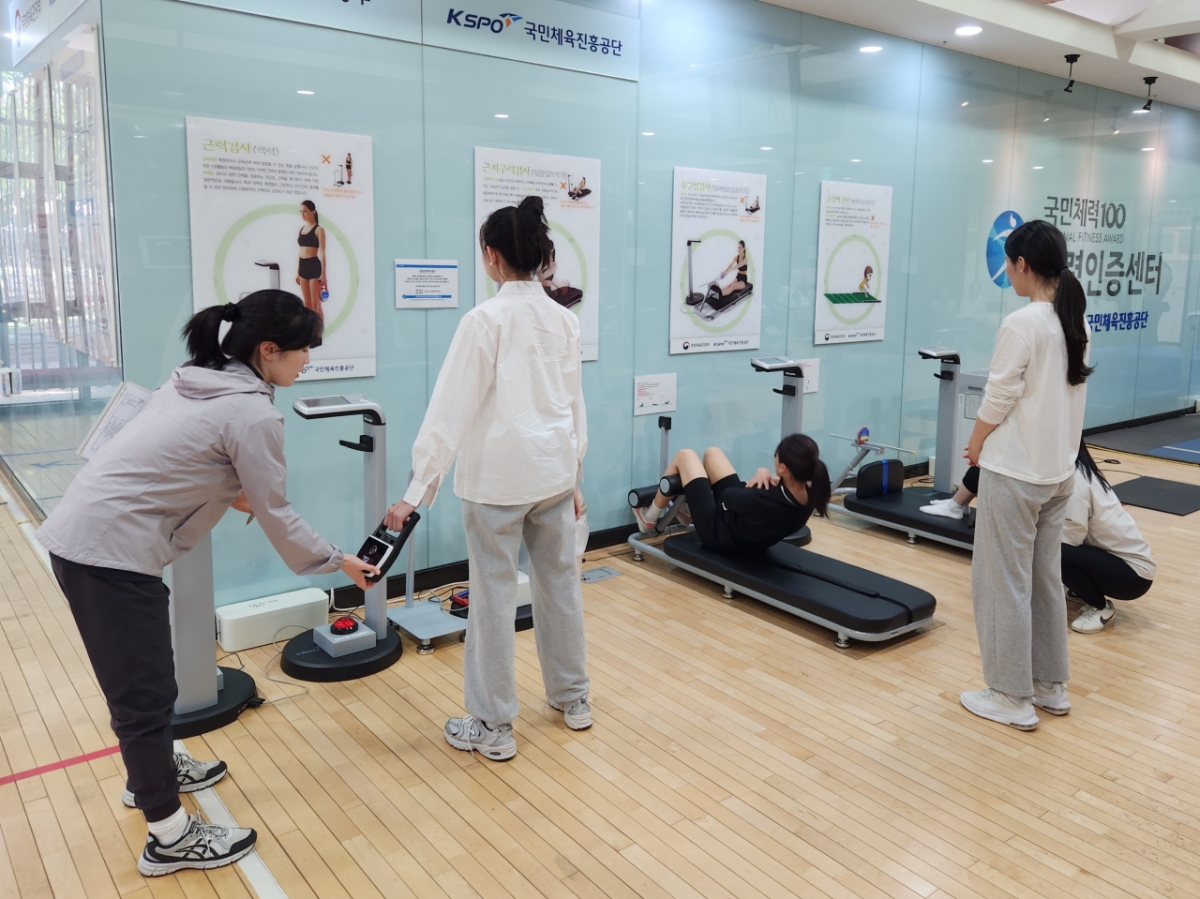
The Ministry of Culture, Sports and Tourism (Minister Choi Hwi-young) has announced the selection of nine new National Physical Fitness Certification Centers for 2026, expanding the total to 96 centers across the country in partnership with the National Sports Promotion Corporation (Chairman Ha Hyung-joo).
Earlier this year, a competition was held among local governments to determine the locations for these certification centers. They were selected based on thorough evaluations of facilities, accessibility, operational conditions, and strategies to encourage use. Each newly chosen center will receive an annual budget of 120 million won for operating costs, staff salaries, and physical measurement equipment.
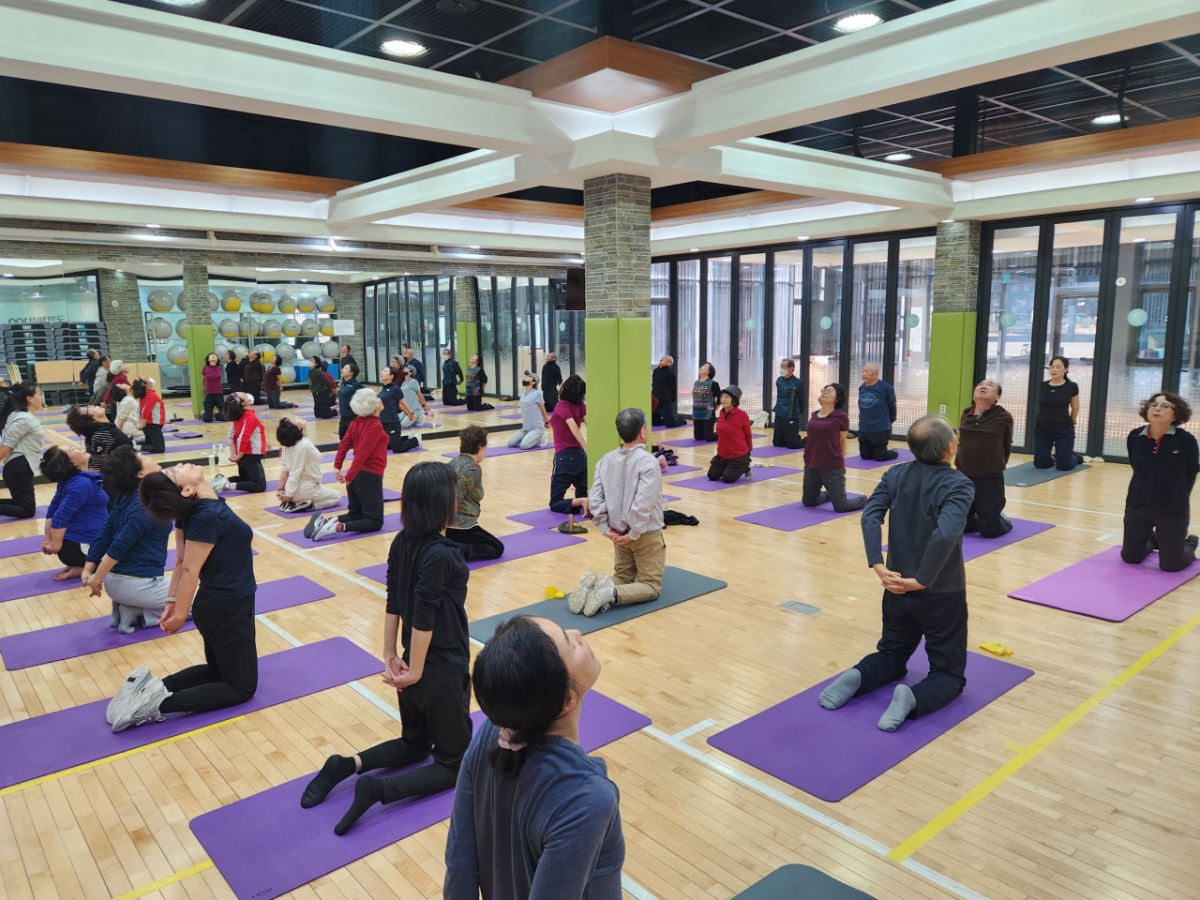
These certification centers play a crucial role in the National Physical Fitness 100 initiative, which assesses individuals’ physical fitness across different life stages based on established health standards. Additionally, they offer personalized exercise plans and fitness programs tailored to individual needs.
The demand for physical fitness assessments has been on the rise, with numbers soaring from 330,000 in 2024 to 380,000 in 2025. Participation in fitness classes also surged, growing from 1.39 million to 2.28 million—a remarkable 54.5% increase year-over-year.
Research by the Korea Sports Science Institute indicates that participants in the “National Fitness 100” project enjoy substantial annual savings in medical expenses compared to those who do not participate (Korea Sports Physiology Society, Sports Science, August 2025). To take advantage of the services offered at these centers, individuals can reserve appointments via the “National Physical Fitness 100” website (http://nfa.kspo.or.kr) or by calling 02-1644-7110.
To further encourage local governments to join these efforts, the Ministry of Culture, Sports and Tourism plans to relax spatial requirements for fitness measurement facilities. They will also prioritize the distribution of advanced equipment to newly selected centers.
As Kim Dae-hyun, the second vice minister, stated, “We are committed to expanding access to scientific exercise prescription services, making them available to all citizens in their local areas.”
*This content was translated by AI.
Conclusion
The expansion of National Physical Fitness Certification Centers marks a significant move toward promoting health and fitness for all citizens. These centers are not only hubs for physical assessments but also provide essential resources for creating tailored fitness plans. By taking advantage of these facilities and programs, you can make informed decisions about your fitness journey. Whether you want to improve your health or enhance your physical performance, these initiatives can serve as valuable tools in your quest for a healthier lifestyle.