Introduction: The Distorted Quest for Beauty in Animal Competitions
In the realm of animal competitions, the pursuit of beauty can sometimes take bizarre turns. A recent event at the 2026 Camel Beauty Show Festival in Al Musanaa, Oman, highlighted this reality when officials disqualified twenty camels due to cosmetic enhancements. This article explores the implications of such alterations and offers practical insights into the ethics of competition, both for animals and humans.
The Disqualification of Twenty Camels
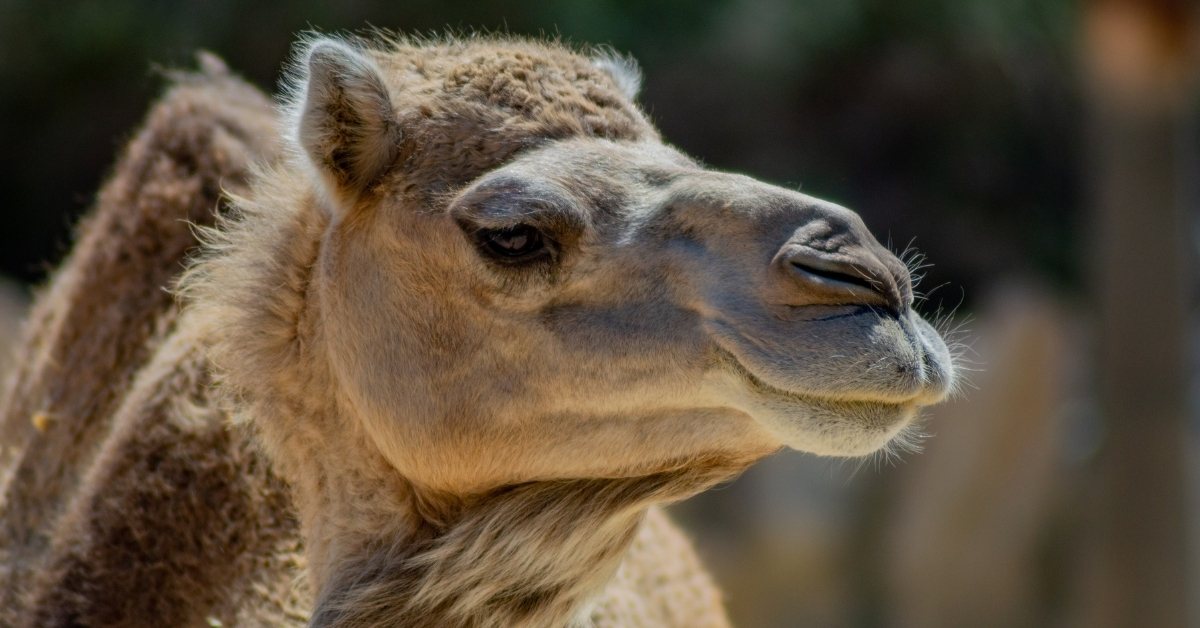
At the Camel Beauty Show Festival, a routine veterinary inspection revealed that some camels had been subjected to various cosmetic enhancements, including Botox, fillers, silicone reshaping, and even the peculiar practice of “hump inflation.” Despite appearing as a lighthearted affair, these beauty contests are serious business in the Gulf region. Owners seek not only trophies but also significant monetary gains and enhanced reputations within breeding circles.
The disqualifications are not isolated incidents; similar controversies have arisen at prestigious events like Saudi Arabia’s King Abdulaziz Camel Festival. Reports have highlighted various instances where camels were barred from competition for allegedly having altered physical features, such as lips, noses, and even body shapes. The organizers have publicly stated their commitment to ensuring fair competition by cracking down on unethical practices.
The Risks Involved
While some may find amusement in the idea of “camel fillers,” the reality is far from funny. These aesthetic procedures can inflict harm on animals that are unable to voice their consent. Injectables can trigger inflammation and pose the risk of infection. Silicone can migrate within the body, leading to complications, and altering muscle activity through Botox can have unpredictable consequences on an animal’s ability to eat, chew, and drink. Ultimately, such practices raise serious ethical questions regarding animal welfare.
The Human Element in Animal Competitions
The motivations behind these cosmetic enhancements extend beyond the animals themselves; they reveal a deeper human inclination toward competition and status. Beauty contests create an environment where individuals feel compelled to push boundaries, leading to a cycle of manipulation and disqualification. Just as participants strive for an edge, society witnesses the unfortunate reality of animals caught in these competitive crossfire.
In Oman, the disqualified camels remain indifferent to trophies and applause; it is the owners who are driven by desire for recognition and success. This dynamic raises pressing ethical concerns about the treatment of animals in competitive settings.
Conclusion: Rethinking Competition Ethics
The recent disqualification of twenty camels at the Camel Beauty Show Festival serves as a reminder of the complex interplay between competition, ethics, and aesthetics in the realm of animal sports. As spectators and participants, we must remain vigilant about ensuring fair practices and the welfare of the animals involved. Ultimately, the pursuit of beauty should not come at the expense of an animal’s health and dignity. By fostering awareness and promoting ethical standards, we can aspire to create competitions that respect the well-being of all participants—human and animal alike.