As tensions escalate in the Middle East, recent U.S. military operations have sadly resulted in the loss of American lives. This article explores the circumstances surrounding these events and the reactions from key figures.
American Service Members Killed
WASHINGTON (AP) — Three American service members have been killed and five others seriously wounded during the U.S. attacks on Iran, the military announced Sunday, marking the first American casualties in a major offensive that President Donald Trump said could likely lead to more losses in the coming weeks.
The three service members who lost their lives were U.S. Army soldiers assigned to Kuwait as part of a unit responsible for supplies and logistics, according to a source familiar with the situation who spoke on condition of anonymity. This development was reported earlier by NBC News and The Washington Post.
U.S. Central Command, overseeing operations in the Middle East, confirmed the deaths in a post on X but did not disclose specific details regarding the timing or location of the incidents, as the Islamic Republic retaliates against the strikes conducted jointly by the U.S. and Israel. The announcement mentioned that several others suffered minor shrapnel injuries and concussions but were expected to return to duty.
President Trump’s Response
“We pray for the full recovery of the wounded and send our immense love and eternal gratitude to the families of the fallen,” Trump said in a video posted to his Truth Social platform on Sunday afternoon. “And sadly, there will likely be more before it ends. That’s the way it is. Likely be more, but we’ll do everything possible where that won’t be the case.”
In the roughly six-minute video, Trump referred to those who died as “true American patriots who have made the ultimate sacrifice for our nation, even as we continue the righteous mission for which they gave their lives.” He asserted that the U.S. would avenge their deaths.
Trump earlier told the Daily Mail in a phone interview on Sunday that the U.S. troops killed were “great people.”
“You know, we expect that to happen, unfortunately,” Trump conveyed to the newspaper. “Could happen continuously — it could happen again.”
He also indicated that he believes the conflict could last around “four weeks or so.” He had previously warned of potential American casualties in the operation.
“The lives of courageous American heroes may be lost, and we may have casualties,” the Republican president stated in a video address released early Saturday. “That often happens in war. But we’re doing this not for now. We’re doing this for the future.”
Central Command described the situation as “fluid” and stated that the identities of the fallen service members would be withheld for 24 hours after their families were notified.
Iran’s Retaliation and Ongoing Conflict
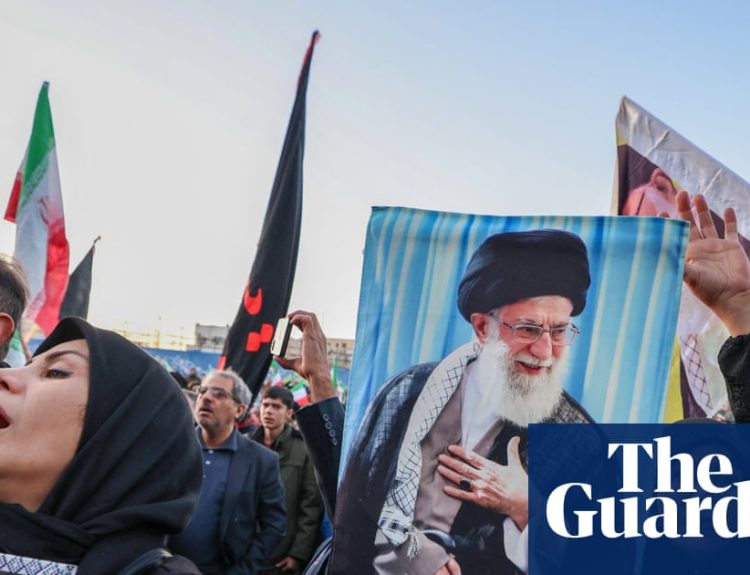
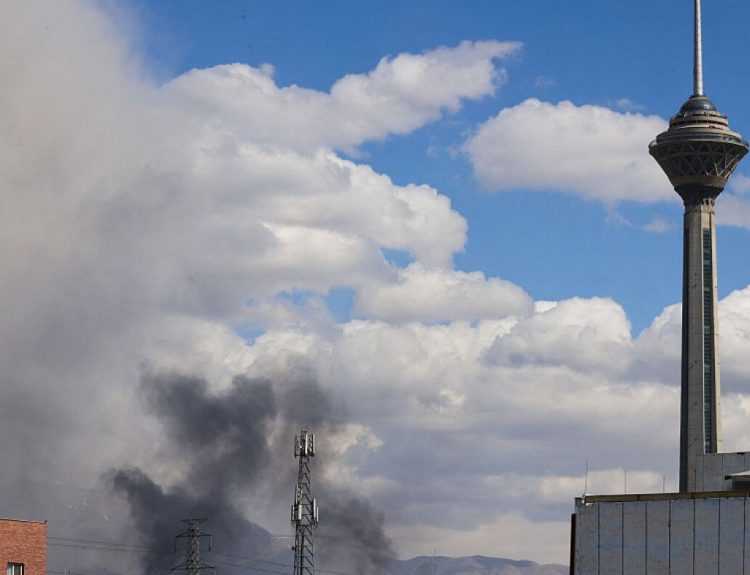
Following the U.S.-Israeli strikes that resulted in the death of Iran’s supreme leader Ayatollah Ali Khamenei and other leaders, Iran has launched counterattacks that have targeted U.S. bases in Bahrain and the United Arab Emirates.
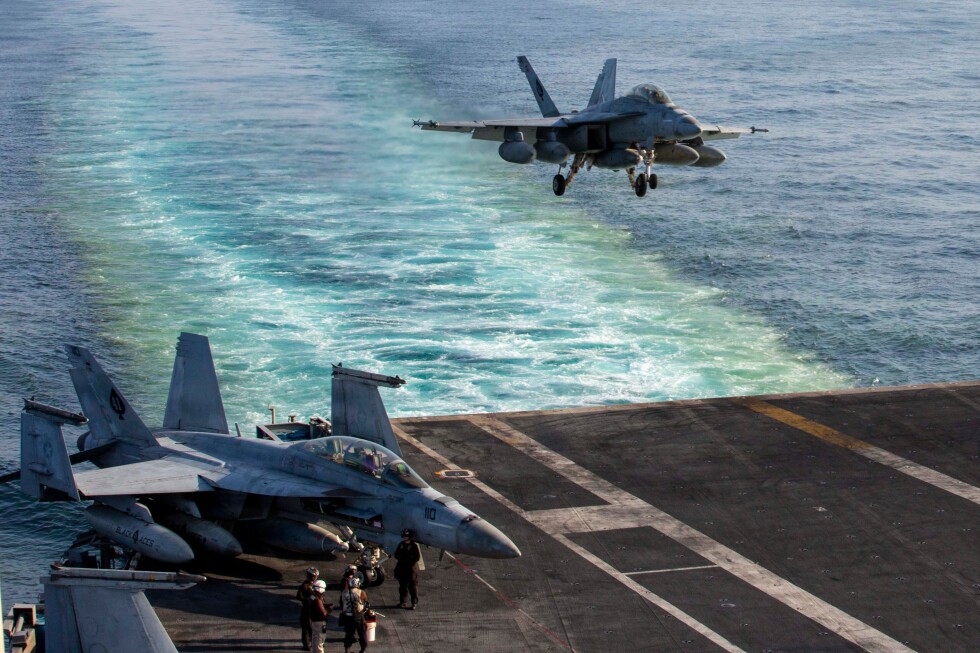
The U.S. military refuted Iranian claims that the USS Abraham Lincoln aircraft carrier had been hit by ballistic missiles, stating on X that the “missiles launched didn’t even come close.”
Iran’s paramilitary Revolutionary Guard has threatened to conduct its “most intense offensive operation” ever, targeting Israeli and American military installations.
Prior to the strikes, Trump had built up the largest U.S. military presence in the region in decades. The deployment of the Lincoln and three accompanying guided-missile destroyers at the end of January increased the naval presence in the area.
The USS Gerald R. Ford, the world’s largest aircraft carrier, along with four destroyers, later departed from the Caribbean Sea to support operations in the Middle East.
The Ford previously participated in the U.S. raid in Venezuela, which resulted in the capture of leader Nicolás Maduro, who was subsequently brought to New York facing drug trafficking charges. The operation did not claim any American lives but resulted in seven U.S. troops sustaining gunshot wounds and shrapnel injuries.
One of the injured service members received the Medal of Honor during Trump’s State of the Union address last week. Trump acknowledged Army Chief Warrant Officer 5 Eric Slover for piloting the lead CH-47 Chinook helicopter that descended on a heavily fortified military location where Maduro was hiding.
Throughout his second term, Trump has initiated several military operations, including strikes against Islamic State members in Syria in response to a deadly ambush that claimed two U.S. troops and an American civilian interpreter in December.
The U.S. military has also targeted IS forces in Nigeria after Trump criticized the West African government for failing to control attacks against Christians.
Key Takeaways
- Three American service members were killed in recent military operations in Iran.
- President Trump acknowledged the risks of continued conflict, expressing condolences for the fallen soldiers.
- Iran has retaliated against U.S. military bases following recent strikes that resulted in high-profile casualties.
- The U.S. military presence in the Middle East has reached historically significant levels under Trump’s administration.
- New military operations have been initiated in response to ongoing threats from groups like the Islamic State.
FAQ
What were the recent events involving American service members?
Three U.S. Army soldiers were killed, and five others were injured during U.S. military operations in Iran.
How did President Trump respond to the casualties?
Trump expressed condolences and stated that the U.S. would avenge the deaths of the service members.
What is the current situation in the Middle East?
The situation remains tense, with Iran conducting retaliatory strikes against U.S. military bases in the region.
What plans does the U.S. have regarding military operations?
The U.S. military continues to prepare for possible further engagements and has increased its presence in the area.
As events unfold, the situation in the Middle East remains complex, with potential ramifications for U.S. service members and international relations.