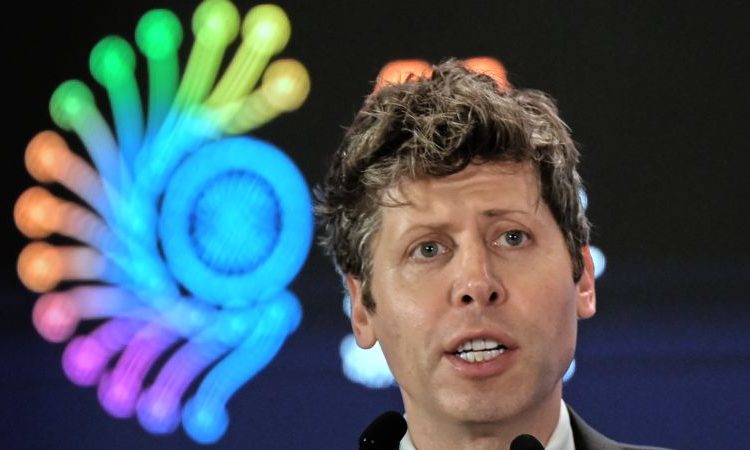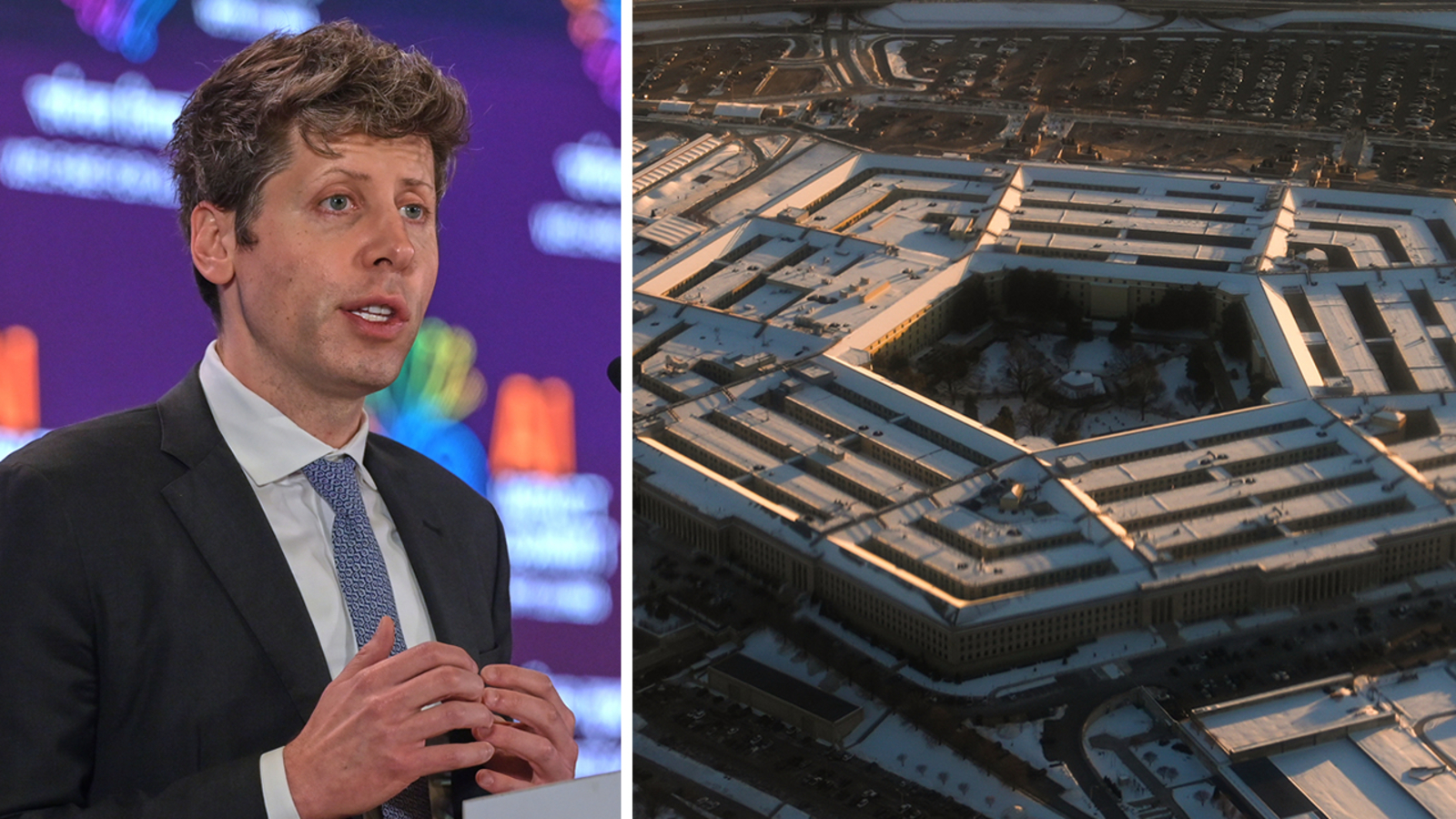
SAN FRANCISCO — OpenAI’s CEO, Sam Altman, revealed late Friday that the organization has entered into an agreement with the Pentagon to integrate its AI technologies into the military’s classified systems. This arrangement includes safeguards similar to those requested by rival Anthropic.
This announcement coincides with President Donald Trump’s directive for all federal agencies to discontinue their use of Anthropic’s AI tools. Additionally, Defense Secretary Pete Hegseth has assigned the company a “supply chain risk” designation, stemming from Anthropic’s unwillingness to comply with Pentagon demands regarding limitations on its AI technology related to autonomous weapons and the mass surveillance of U.S. citizens.
Altman’s remarks imply that the Pentagon has settled on similar restrictions for OpenAI’s models.
“Two of our core safety principles include prohibitions on domestic mass surveillance and ensuring human accountability for the use of force, particularly concerning autonomous weapon systems. The Department of War aligns with these principles, incorporating them into its laws and policies, which we have included in our agreement,” Altman stated on X. “We will also implement technical safeguards to ensure our models operate as intended, a requirement also specified by the Department of War.”
Altman further indicated that they would deploy engineers to the Pentagon to oversee the safety of their models.
“We encourage the Department of War to extend these same conditions to all AI companies, as we believe every organization should be open to accepting them. Our aim is to shift towards reasonable agreements rather than legal or governmental conflicts,” Altman remarked.
In response, Anthropic announced plans to legally contest the “supply chain risk” designation, which is typically associated with organizations having direct ties to foreign adversaries. This designation will require all contractors engaged with the military to demonstrate that their work does not involve Anthropic’s products.
The distinctions between OpenAI’s deal with the Pentagon and Anthropic’s requests remain unclear.
CNN has reached out to both the Pentagon and OpenAI for more details.
Secretary Hegseth shared Altman’s announcement on X, while Under Secretary Emil Michael, responsible for technology at the Pentagon, commented separately on X, stating, “In matters of life and death for our warfighters, having a dependable and engaged partner is crucial as we enter the AI Age.”
The-CNN-Wire & 2026 Cable News Network, Inc., a Warner Bros. Discovery Company. All rights reserved.
In conclusion, the new agreement between OpenAI and the Pentagon highlights significant concerns about the use of AI in military applications, specifically regarding ethical considerations and safety measures. As companies like Anthropic face scrutiny, the landscape of AI technology in government sectors is becoming increasingly complex. This development sets the stage for ongoing dialogue about the intersection of technology, national security, and corporate responsibility.