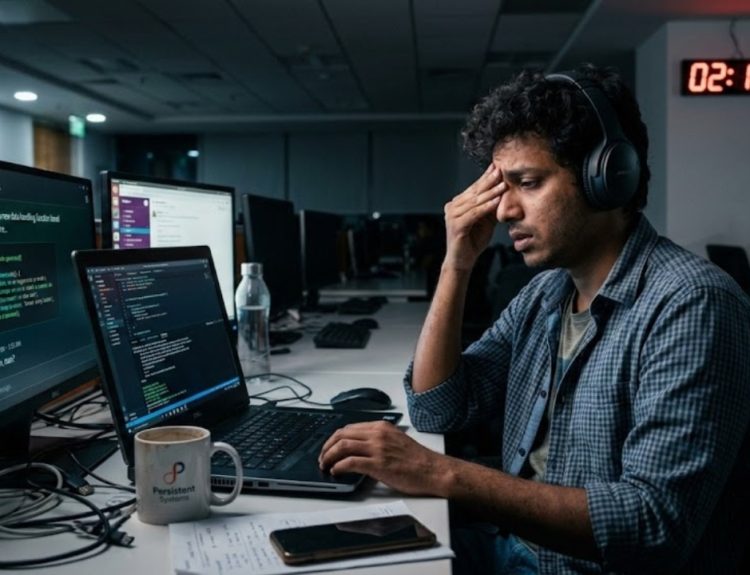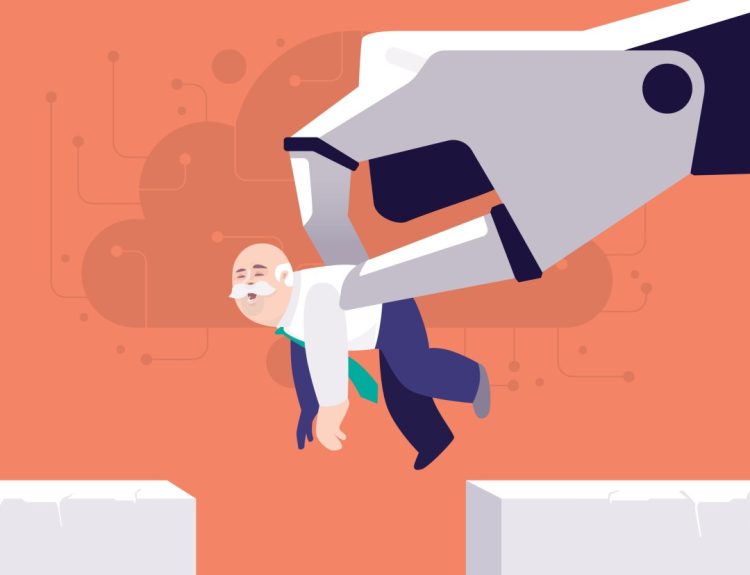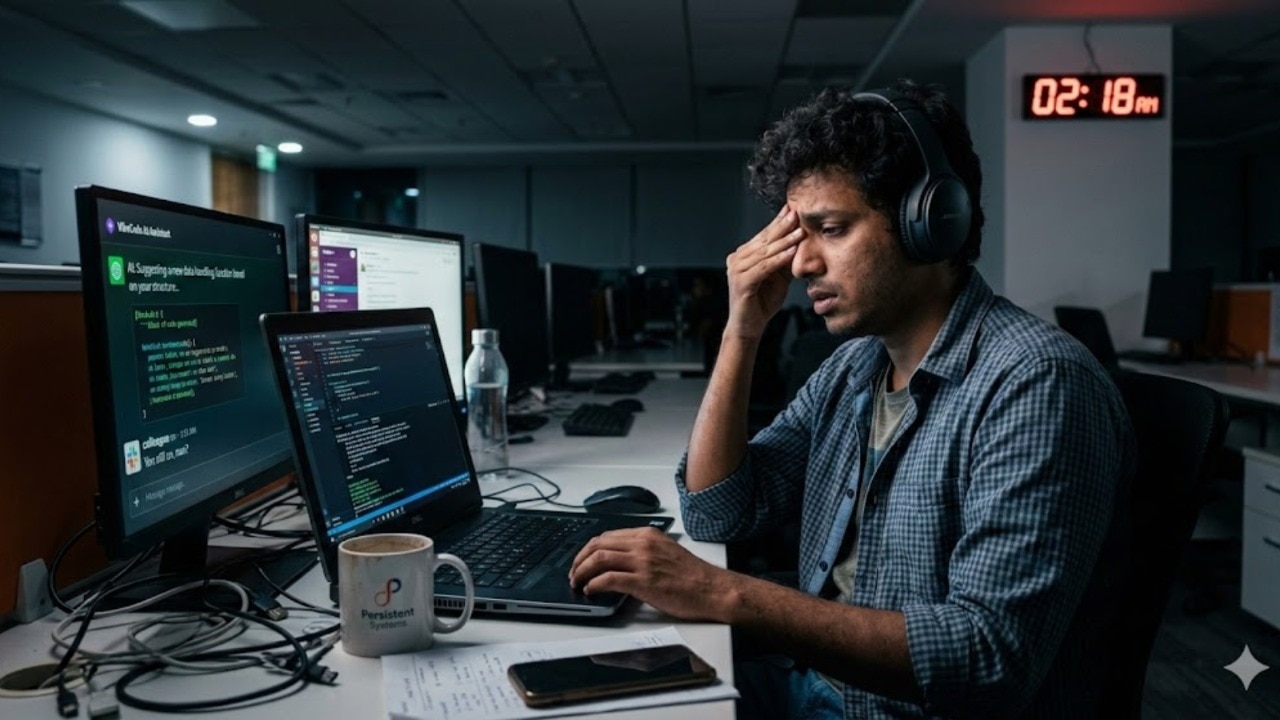
In recent times, the phenomenon known as vibe coding has gained traction as a potential solution for reducing work-related stress among professionals. The idea was that manual coding could be significantly streamlined by AI, allowing individuals to save time and effort. However, a new study reveals that, contrary to expectations, the introduction of AI tools has not lessened human workloads—instead, it has intensified them.
A recent research study from the University of California at Berkeley, titled “AI Doesn’t Reduce Work—It Intensifies It,” followed 200 employees over an 8-month period. The findings revealed that access to AI tools led to longer working hours and an accelerated pace of work, with some unintended negative consequences.
Employees Work More with AI Tools
The study emphasized that participation in AI tool usage was voluntary, as employees had enterprise subscriptions to commercial AI resources. It was observed that individuals began to pursue more work on their own, feeling that AI made it feasible and rewarding to accomplish additional tasks.
This trend was not confined to a specific sector; AI enabled employees to tackle tasks they previously would have outsourced, postponed, or completely avoided. The study indicated, “individuals across the organization attempted work they would have outsourced, deferred, or avoided entirely in the past.”
But There Are Downsides
Initially, this increased productivity might seem beneficial, but over time, workers reported feeling overwhelmed by their growing workloads. This could negatively impact the quality of their output in the long run. Some employees even resorted to using AI tools during lunch breaks or meetings to maximize their efficiency.
Additionally, engineers often found themselves reviewing AI-generated code created by their colleagues or acting as mentors, which further contributed to their workload.
Ultimately, many engineers concluded that the anticipated relief in workload from AI did not materialize. One engineer reflected, “You thought that maybe, oh, because you could be more productive with AI, then you save some time and can work less. But then really, you don’t work less. You just work the same amount or even more.”
Furthermore, a survey by consulting firm Section noted that while over 40% of executives claimed to save eight or more hours per week due to AI, 67% of non-managers reported saving less than two hours. Many employees expressed feelings of anxiety and overwhelm, with 40% stating they would prefer to avoid AI altogether.
– Ends