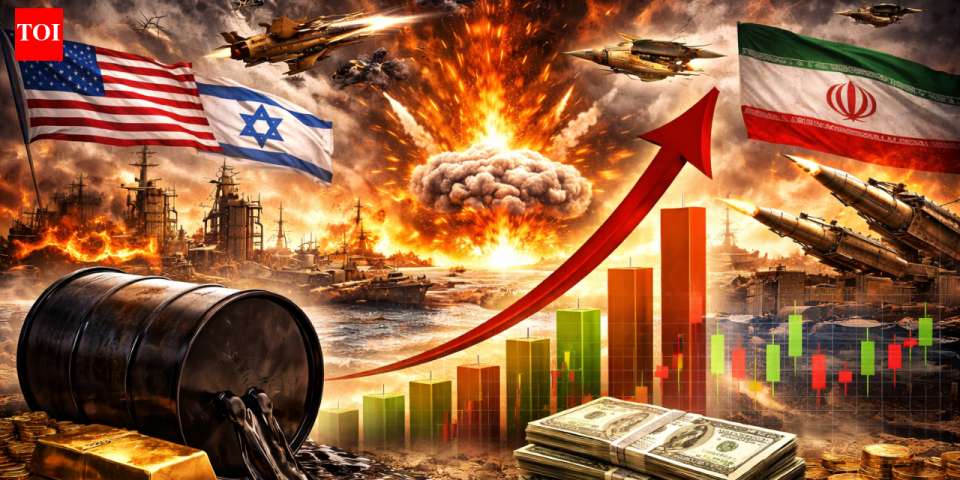
US-Israel Attack on Iran: Are Oil, Gold, and the Dollar Set for Sharp Moves?
Recent events have sent shockwaves through the geopolitical landscape, sparking questions about the potential repercussions of a US-Israel attack on Iran. As tensions escalate, investors are left pondering how these developments might influence key economic indicators such as oil prices, gold value, and the strength of the US dollar. This analysis aims to examine the potential outcomes in these markets amidst rising geopolitical risks.
The Oil Market: Potential Volatility
The oil market stands to feel the immediate impact of increased military activity. Here are some factors to consider:
- Supply Disruptions: Iran is a critical player in global oil supply. Military action could disrupt production and shipping lanes in the Strait of Hormuz, leading to significant price hikes.
- Market Sentiment: The uncertainty following an attack may prompt traders to react swiftly, driving prices up as panic sets in.
- Long-Term Trends: While initial spikes may occur, the long-term outlook will depend on how sustained the military engagement is and how global powers react economically.
Gold: A Safe Haven?
In times of crisis, gold often emerges as a refuge for investors. Factors influencing gold’s price include:
- Increased Demand: As fears of instability rise, more investors are likely to flock to gold, driving up its price.
- Inflation Hedge: If military actions lead to economic instability, gold serves as a hedge against inflation, further bolstering its appeal.
- Central Bank Actions: Central banks may adjust their gold reserves in response to geopolitical stress, influencing overall demand.
The Dollar: Fluctuations Ahead
The US dollar’s value could also be impacted in the wake of escalating hostilities. Consider the following:
- Safe-Haven Status: The dollar typically remains strong during global uncertainties, yet its trajectory will depend on investors’ trust in the US economy amidst military actions.
- Interest Rate Policies: The Federal Reserve might alter interest rates in response to increased military spending or economic fallout, affecting the dollar’s value.
- Global Reactions: Other economies may respond by adjusting their currencies, which could influence the dollar’s standing in international markets.
Conclusion
As tensions mount between the US, Israel, and Iran, the implications for oil, gold, and the dollar are profound. Investors would be wise to monitor these developments closely, as the potential for sharp movements in these markets could reshape economic landscapes. Decision-making in such a climate will require a careful balance of risk and opportunity.