In recent years, we’ve witnessed a growing awareness of the importance of various nutrition components, from the gut microbiome to protein. Now, as we approach 2026, the spotlight is shifting to fibre—a crucial yet often overlooked aspect of our diet. Insufficient fibre intake has been linked to a heightened risk of bowel cancer, and alarmingly, 96% of British adults fail to meet the daily recommendation of 30 grams. Chef Hugh Fearnley-Whittingstall is among several authors releasing books on fibre this spring, emphasizing its undeniable health advantages. “Increasing fibre in your diet contributes significantly to gut health, heart health, and enhanced immunity,” he states. “The scientific consensus is robust, with everyone from researchers to influencers rallying behind this message.”
What is it?
Fibre is the indigestible component found in plants, classified into two main categories: soluble and insoluble fibre. Soluble fibre dissolves in water to form a gel and serves as a prebiotic that nourishes gut bacteria, while insoluble fibre aids in facilitating regular bowel movements. There are various types, including pectins (in apples), beta-glucans (in oats), and inulin (found in garlic and onions). Our bodies require a diverse range of fibres, and while many associate fibre with dry bran, the best sources are common wholefoods: fruits, vegetables, wholegrains, beans, lentils, nuts, and seeds. In today’s world, diets heavy in ultra-processed foods may seem fulfilling, but they often fall short in fibre content.
• Read more expert advice on healthy living, fitness and wellbeing
Why do we need fibre?
Dr. Emily Leeming, a scientist and dietitian, highlights that a low-fibre diet can lead to a sluggish gut, potentially allowing harmful substances to linger against the gut wall and contributing to the increasing prevalence of bowel cancer among those under 50—a subject she is currently studying at King’s College London.
Fibre not only facilitates quicker transit through the large intestine and alleviates constipation, but it also plays a crucial role in slowing digestion and absorption in the small intestine, contributing to feelings of fullness, better blood sugar control, and improved cholesterol levels.
Leeming notes that soluble fibre, in its prebiotic gel form, is the preferred nourishment for gut microbes. A lack of it diminishes the production of short-chain fatty acids, which are essential for several aspects of physical health, including metabolism, immunity, and cognitive function.
Oats, legumes, and citrus fruits are high in soluble fibre, while nuts, vegetables, and wholegrains are rich in insoluble fibre. Lentils and black beans stand out for their abundance of both types. “We require both forms, which is why dietary variety is so crucial,” says nutritionist Rhiannon Lambert, whose upcoming book, The Fibre Formula: Feed Your Gut, Support Immunity and Live Well for Longer, is set for release on March 12. Consuming a diverse array of plant foods naturally meets our fibre requirements.
• How to boost your gut microbiome for a better workout
Benefits beyond the gut
The advantages of adequate fibre intake go far beyond digestive health. Increased fibre consumption is linked to enhanced energy levels, improved skin health, and even better mood. “Prebiotic fibres have shown potential in early human studies for supporting cognition and emotional stability,” Leeming states.
Yet, with the need for a variety of fibres, Leeming cautions against focusing too narrowly on specific types or relying on supplements. “Wholefoods offer a broader spectrum of fibres,” she advises. “Moreover, foods rich in fibre are also packed with nutrients, allowing you to meet multiple nutritional needs in one meal.”
She acknowledges that fibre has been unfairly labeled as bland and purely useful for digestive health. “Its reputation for being merely a means to a pleasant bowel movement is dated,” she says. “We are increasingly realizing that gut health has significant implications for our overall well-being.”
Additionally, Lambert mentions that emerging research suggests some fibres could help reduce ‘bad’ (LDL) cholesterol levels and may assist in binding and eliminating compounds like microplastics, although this area is still under exploration.
Fibre also plays a crucial role in blood sugar regulation and appetite control. “Different fibre types can affect the rate at which carbohydrates are absorbed, promoting steadier blood sugar levels.” While fibre alone does not trigger weight loss, it can enhance meal satisfaction, thereby decreasing the likelihood of afternoon snacking.

Everyday wholefoods, such as vegetables, are an excellent source of fibre
GETTY IMAGES
How much more do we need to eat?
Only 4% of the population is meeting the daily target of 30g of fibre, according to a government report released last year. In reality, Brits consume an average of just 16g per day—nearly 50% less than the needed amount. “This level is actually below the recommended intake for a six-year-old,” Leeming points out. However, even a modest increase in fibre intake can yield health benefits. Studies indicate that adding as little as 7g of fibre daily—roughly equivalent to half a can of beans—can lower the risk of heart disease, type 2 diabetes, and bowel cancer.
• Want to live longer and lose weight? Then eat more fibre
Take it slowly
If you’re considering boosting your fibre intake, a gradual approach is advisable—dramatic changes can lead to digestive discomfort. “Tolerance levels vary among individuals,” Lambert notes. “A sudden increase can cause issues like bloating and gas as the gut adjusts. For those with irritable bowel syndrome or other digestive conditions, these symptoms may be more intense, so a careful ramp-up is essential.” For ongoing concerns, consulting a healthcare professional is recommended, but mild bloating usually subsides over time. “Slow integration is key,” Lambert advises. “Consider substituting half the minced meat in dishes such as bolognese with lentils or beans, and opt for fibre-rich snacks like fruits with nuts or yogurt with berries. Consistent, minor adjustments are preferable to a sudden overhaul.”
Easy swaps
Fearnley-Whittingstall, author of High Fibre Heroes: How to Turn 12 Everyday Vegetables into 100 Joyful, Health-boosting Recipes, advises against transitioning too rapidly from low to high fibre. He stresses the importance of drinking plenty of water when increasing dry, high-fibre foods such as grains and seeds.
He suggests replacing white bread, pasta, and rice with wholegrain alternatives while increasing your intake of fruits and vegetables. “Crunchy winter salads featuring a mix of roots, fruits, greens, and nuts or seeds can be both delicious and easy to prepare,” he suggests. For instance, consider grated carrots combined with shredded red cabbage, raisins, and walnuts, or grated celeriac mixed with apples, parsley, and sunflower seeds. There are countless inventive ways to ensure variety in your meals.”
• Snacking on almonds is great for your gut
When in doubt, add beans
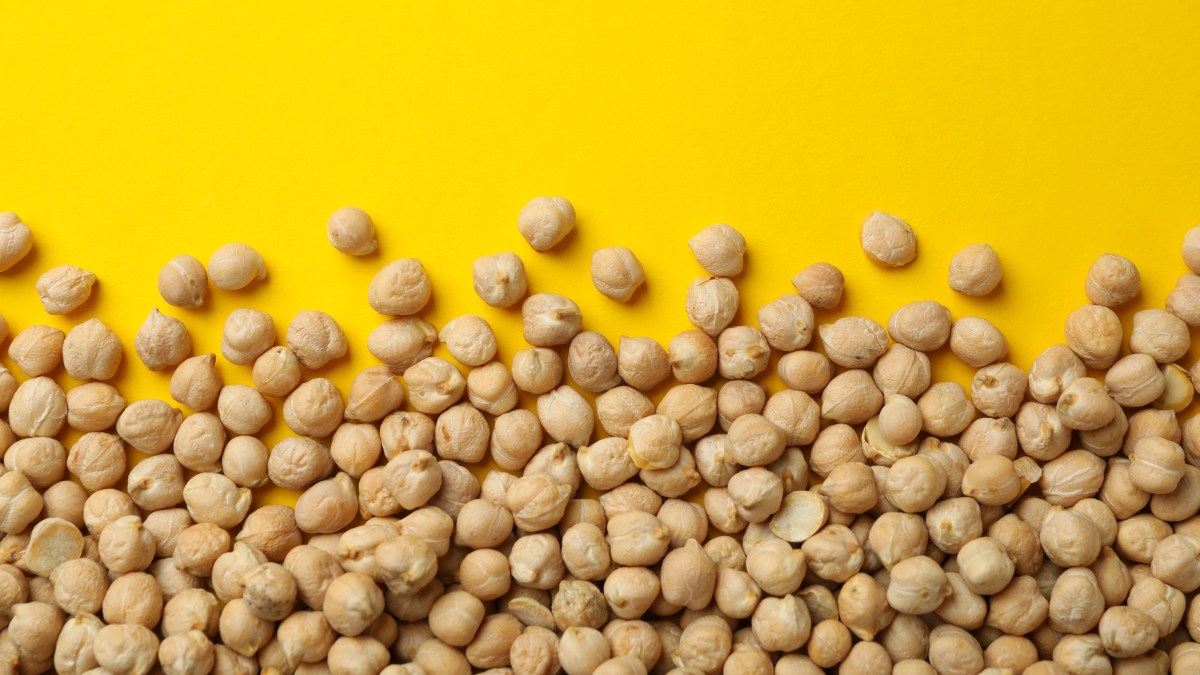
Fearnley-Whittingstall’s ultimate recommendation is to incorporate beans into meals. Pulses like beans, lentils, and chickpeas are abundant in both fibre and protein. “I consistently add a tin of beans or chickpeas to soupy or saucy dishes,” he shares.
Leeming concurs and advocates for the BGBGS approach: B = beans, G = greens, B = berries, G = grains, and S = seeds and nuts. “Try to make BGBGS a staple on your grocery list,” she emphasizes. If you do nothing else, focus on incorporating beans, wholegrains, nuts, and seeds, as they provide the most significant fibre benefits.