As states across the U.S. take steps to modify what can be purchased with food assistance, a significant reform is underway in one of the country’s largest anti-hunger initiatives. The changes primarily focus on restricting access to sugary drinks and junk foods, spurring a nationwide conversation on nutrition and food choices for low-income families.
The Supplemental Nutrition Assistance Program (SNAP), commonly known as food stamps, provides monthly grocery benefits to over 40 million low- and no-income Americans throughout the nation. Historically, the program has offered wide-ranging food choices, but now an increasing number of states are opting to limit these choices, especially in regard to sugary beverages and sweet snacks.
What SNAP Covers
SNAP benefits can be utilized in all 50 states and eligible territories for a variety of grocery items. This includes fresh fruit and vegetables, meat, dairy products, bread, cereals, snack foods, and nonalcoholic drinks such as juice, coffee, and bottled water. Recipients can also use their benefits to buy seeds and plants to cultivate food at home.
However, SNAP does not cover alcohol, tobacco, vitamins, supplements, or hot meals intended for immediate consumption. Additionally, it does not allow the purchase of non-food items, such as cleaning supplies or pet food. The program’s primary focus is to assist families in purchasing groceries for home preparation.
Recently, several states have received federal approval to impose further restrictions by prohibiting certain “junk foods.” Generally, this term encompasses products that are high in sugar and fats but lacking in nutritional value.
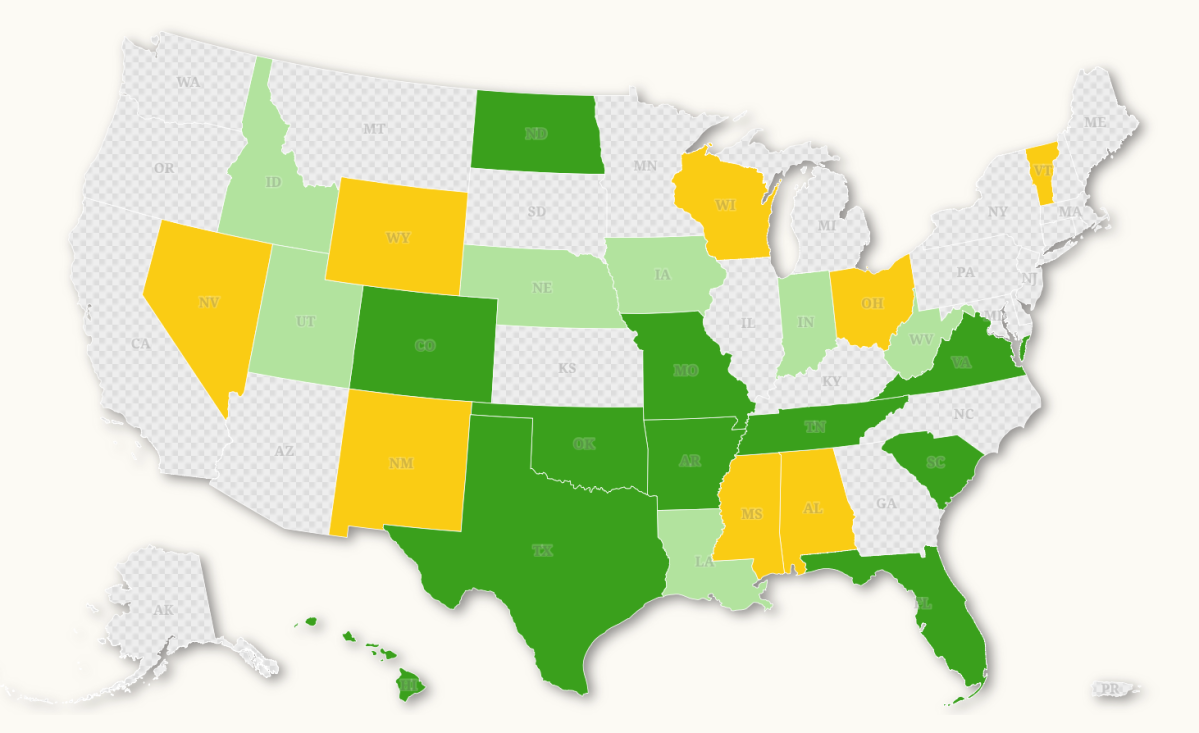
States that have implemented new rules include Indiana, Iowa, Louisiana, Nebraska, Oklahoma, Utah, and West Virginia. Some states are preparing to roll out similar changes by 2026, while others are still awaiting legislative approval and may delay implementation until 2027, if at all.
The specifics of these restrictions vary, with different states banning different types of items. For example, Texas plans to exclude soda, energy drinks, candy, and prepared desserts; Louisiana will only forbid purchases of soft drinks, energy drinks, and candy. Colorado and West Virginia have more narrowly defined restrictions, focusing solely on soft drinks.
In addition to those states actively enforcing changes, others like Alabama, Mississippi, Nevada, New Mexico, Ohio, Vermont, Wisconsin, and Wyoming are contemplating similar legislative initiatives. Some proposals, such as those in Montana, have failed to gain traction.
The Role of Waivers
For states to implement these additional limitations, they must obtain waivers from the U.S. Department of Agriculture (USDA), which administers SNAP. These waivers permit states to adapt specific program rules and administer benefits in a manner that differs from federal guidelines.
During the COVID-19 pandemic, waivers were extensively utilized to enhance access and flexibility. The current wave of waivers, however, is aimed at restricting particular food categories instead of expanding eligibility or benefits.
For and Against
The initiative to limit food options has received support from the federal government, with most states pursuing these changes being Republican-led.
In December, Agriculture Secretary Brooke Rollins framed the transformation as part of a larger health initiative. “President Trump has made it clear: We are restoring SNAP to its true purpose—nutrition. Under the MAHA [Make America Healthy Again] initiative, we are taking bold, historic steps to reverse the chronic diseases epidemic that has taken root in this country for far too long,” she stated.
Rollins further asserted that “America’s governors are stepping up with courage and innovation, providing solutions that respect taxpayer generosity while helping families lead longer, healthier lives.” She posited that the waivers would safeguard children “from the dangers of highly processed foods” while advancing the president’s commitment to a healthier America.
However, not everyone believes these changes will enhance public health. The Center for Budget and Policy Priorities, a left-leaning think tank, expressed concerns in October 2025, arguing, “SNAP helps over 41 million individuals put food on the table monthly, supporting local businesses and bolstering economies.” They emphasized that “Cutting SNAP funding and monitoring families’ groceries does not improve the program or respect their dignity,” and cautioned against making it more complex for families to use this essential resource, especially as the largest cuts in the program’s history loom.
Key Takeaways
- Nearly half of U.S. states are enacting restrictions on purchases through SNAP.
- New limits primarily focus on sugary drinks and junk food items.
- SNAP benefits can be used for a variety of groceries, but exclude certain items like alcohol and non-food products.
- States must obtain waivers from the USDA to impose additional restrictions.
- The initiative has mixed reactions, with some advocating for health improvements while others warn against restricting access.
FAQ
What types of foods are covered by SNAP benefits?
SNAP benefits can be used to purchase a wide range of food items, including fresh produce, meat, dairy, and nonalcoholic beverages.
Which items are prohibited from being purchased with SNAP?
SNAP does not cover alcohol, tobacco, vitamins, non-food items, or hot prepared meals meant for immediate consumption.
Why are states restricting certain foods with SNAP benefits?
States are looking to restrict foods deemed unhealthy, such as sugary drinks and junk food, as part of health initiatives to combat chronic diseases.
How do states obtain the ability to restrict SNAP purchases?
States must request waivers from the USDA to modify SNAP rules and impose restrictions on eligible food items.
As reforms in SNAP unfold, the dialogue around nutritional standards and food accessibility continues to grow. Striking a balance between supporting families and promoting healthier choices remains a crucial focus for policymakers.