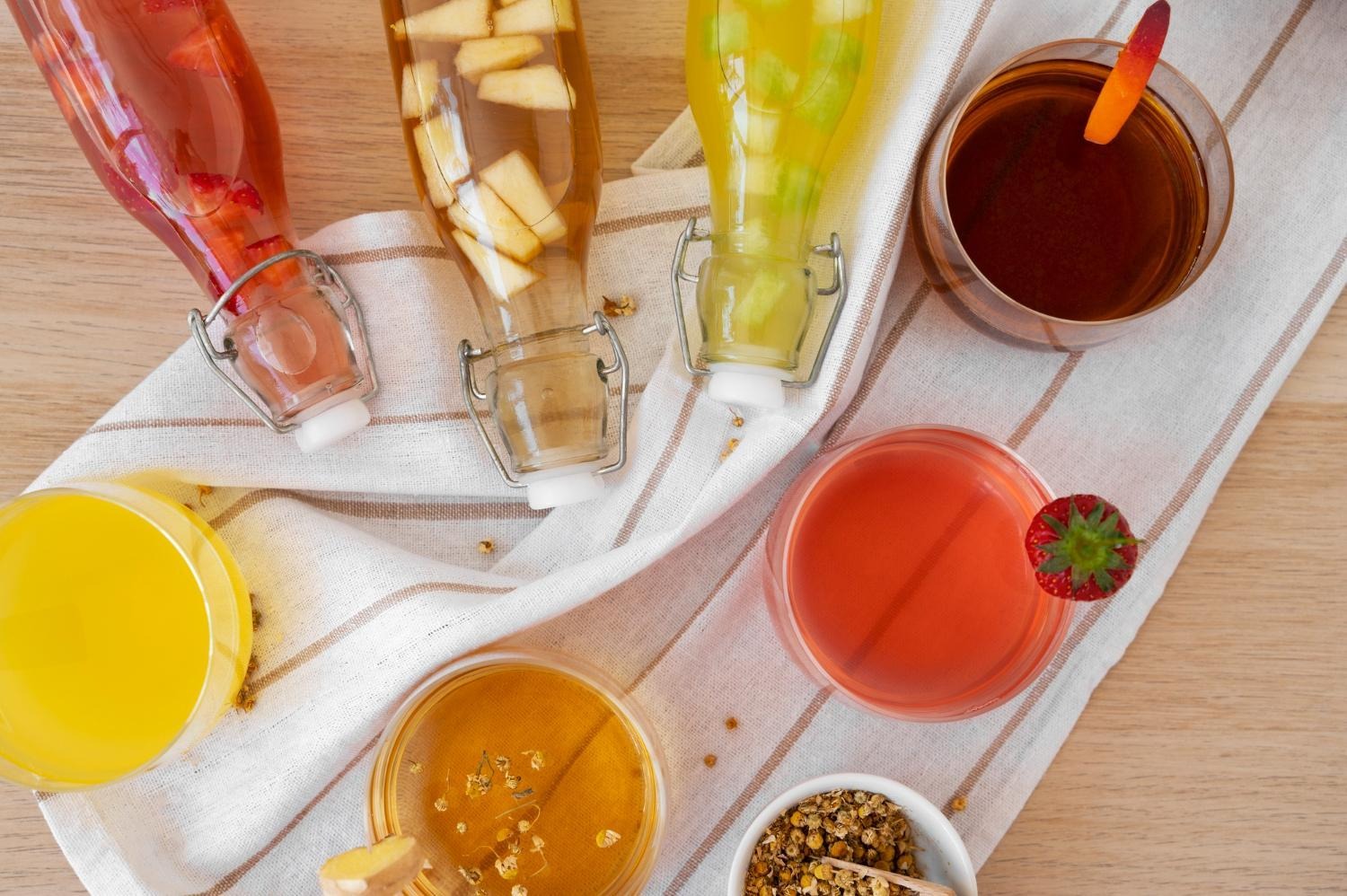
For decades, the main course reigned supreme at dining tables, with entrées and desserts taking center stage while beverages quietly complemented the meal. Wine was poured without much thought, and coffee typically concluded the experience.
Today, however, this hierarchy is evolving. In contemporary culinary landscapes, drinks are now being thoughtfully curated, photographed, and paired, transforming from mere accompaniments to key elements of the dining experience. From bold matcha to rich mushroom coffee, beverages are shaping the way we cook, host, and enjoy food.
The Beverage-First Mindset
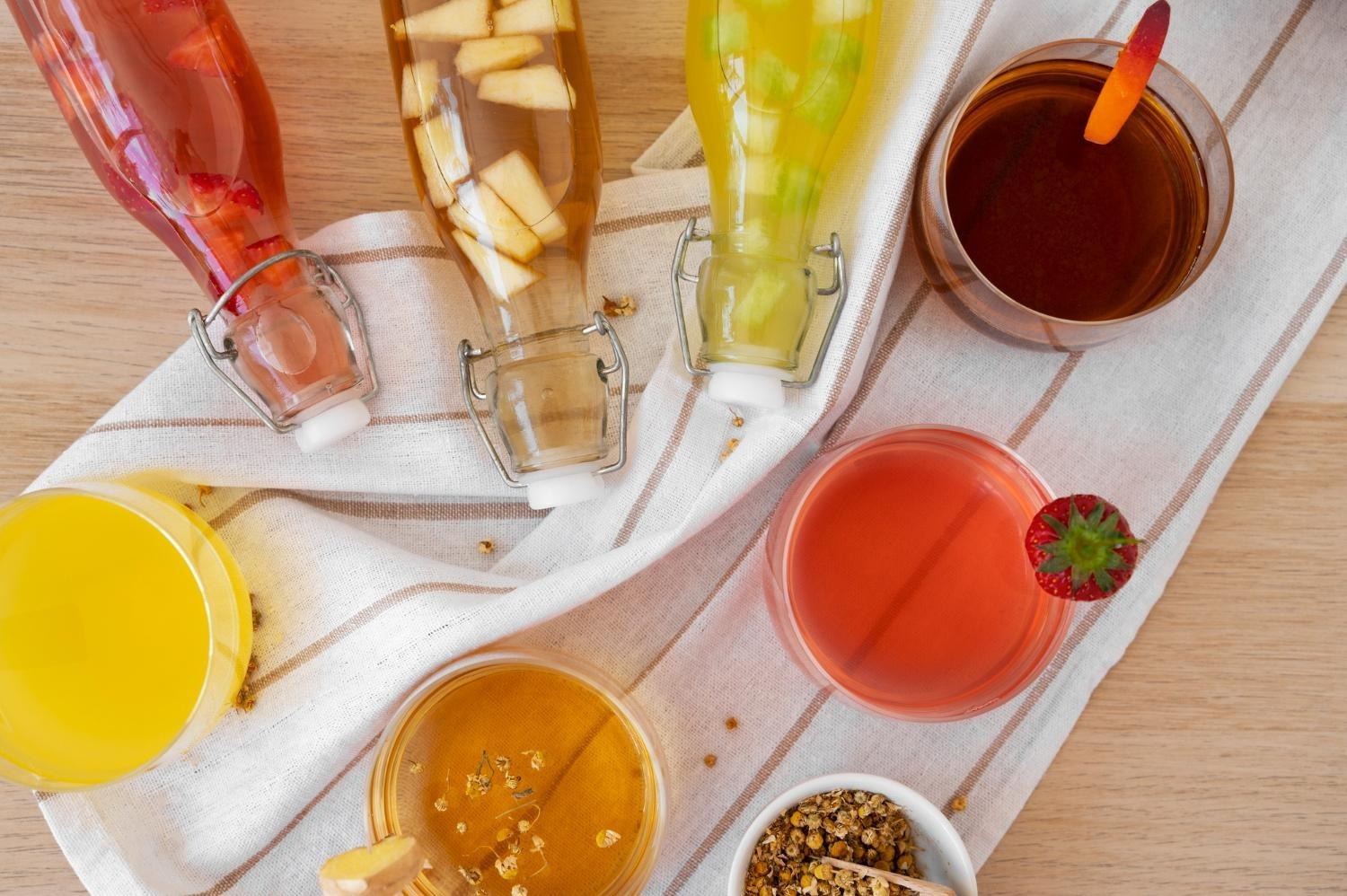
Scroll through any food-centric feed, and one trend becomes evident: beverages are frequently portrayed as the stars of the show. Layered iced lattes, ceremonial matcha, and herb-infused waters are no longer just drinks; they have become visual expressions of creativity.
Home cooks have begun to apply the same creativity to beverages that was once reserved for desserts and sauces, selecting glassware, garnishing intentionally, and balancing flavors with care.
The Specialty Coffee Association reports a sustained interest in specialty beverages, driven by a growing curiosity about sourcing, preparation techniques, and quality ingredients. This trend underscores a broader movement toward more intentional consumption.
Matcha vs. Mushroom Coffee: A New Kind of Comparison
One of the most telling trends in beverage culture is the increasing popularity of alternative morning drinks. While traditional coffee remains beloved, it now shares space with vibrant matcha powders and mushroom-infused blends.
Discussions about matcha versus mushroom coffee reflect a growing willingness to experiment in the kitchen. Matcha, crafted from finely ground green tea leaves, offers grassy, slightly sweet flavors and a striking emerald color. Its preparation—sifting, whisking, and aerating—can feel meditative.
Mushroom coffee blends traditional coffee with powdered functional mushrooms, creating a smoother, earthier profile than regular brews. Choosing between them often hinges on personal preference and ritualistic elements. Matcha brings visual appeal, while mushroom coffee offers comforting familiarity. Both signify an expanding openness to reimagining daily habits.
Drinks as Culinary Expression
Why have beverages become such compelling focal points? Their versatility plays a significant role. A single ingredient can dramatically change through variations in temperature, texture, or pairing. For instance, a steaming latte can transform into an iced shakerato, and sparkling water infused with herbs can enhance the dining experience.
Drinks now serve to complement, balance, or elevate dishes in a meal. A creamy mushroom coffee can enhance a lightly sweet loaf, while a chilled matcha tonic may brighten a rich brunch. Many home kitchens have transformed into laboratories of culinary experimentation, with beverages taking center stage.
The Hosting Revolution
The approach to hosting has shifted. Many hosts now dedicate as much care to beverage menus as they do to food offerings. Signature drinks make a welcoming statement, and non-alcoholic options are chosen with intention, often featuring seasonal ingredients. This evolution mirrors a growing desire for transparency; guests are curious about the contents of their glasses and the preparation methods involved.
In fact, many inquisitive consumers take the time to research details ahead of gatherings, consulting resources like Delta Munchies to gain insights into the longevity of specialty products or ingredients they plan to incorporate into events. This inclination towards informed choices is reshaping the landscape of hospitality.
Today’s hosts embody the roles of chef, curator, and educator.
Texture, Temperature, and Theater
Modern beverage trends are concerned not just with flavor but also with elevating the sensory experience. Texture, temperature, and even the sounds associated with drinks all contribute to the overall ritual.
The visual excitement of silky matcha froth captivates before the first sip, while mushroom coffee with steamed milk presents a creamy indulgence that feels light yet luxurious. Layered drinks, highlighted in natural light, enhance the storytelling aspect of the meal.
Tools that were once limited to professional cafés—like milk frothers and ceremonial whisks—are now commonplace in home kitchens. As a result, drinks have evolved into a form of performance.
The Café Effect at Home
Café culture has deeply influenced home kitchens. Specialty drinks, once exclusive to coffee shops, are now found on dining tables, aided by online tutorials and ingredient kits that encourage experimentation. The boundary between café and kitchen has effectively disappeared.
Instead of a simple after-dinner coffee, discerning guests might now opt for a spiced matcha latte, mushroom cappuccino, or citrus tonic spritz. As beverages take center stage, anticipation for meals builds, making preparation part of the ritual. Home cooks are blending the new with the traditional, enjoying espresso alongside matcha or pairing mushroom coffee with classic pastries, all while exploring innovative botanicals and brewing techniques.
Ultimately, drinks serve as connectors. They foster conversations, gather people together, and turn mealtimes into shared experiences. The focus has shifted from solely what we drink to the creative endeavors behind each glass.
Key Takeaways
- Beverages are gaining prominence as central elements in dining experiences.
- Creative approaches to drinks mirror the craftsmanship associated with food.
- Modern beverages can completely transform the dining experience through their versatility.
- Hosts are increasingly curating beverage menus to enhance their gatherings.
- Current trends showcase the importance of sensory experiences in beverage presentation.
- Home kitchens are adopting café styles, promoting innovation in drink offerings.
FAQ
What are some popular alternative morning drinks?
Popular choices include matcha powders and mushroom coffee, alongside traditional coffee.
How do drinks enhance the dining experience?
Drinks can complement and balance flavors in food, creating a more harmonious meal.
Why is there a shift toward curated beverage menus at home?
There’s a growing interest in transparency and creativity among hosts, making beverages a focal point of gatherings.
What role do sensory experiences play in modern beverages?
Texture, temperature, and presentation enhance the enjoyment and overall experience of drinking.