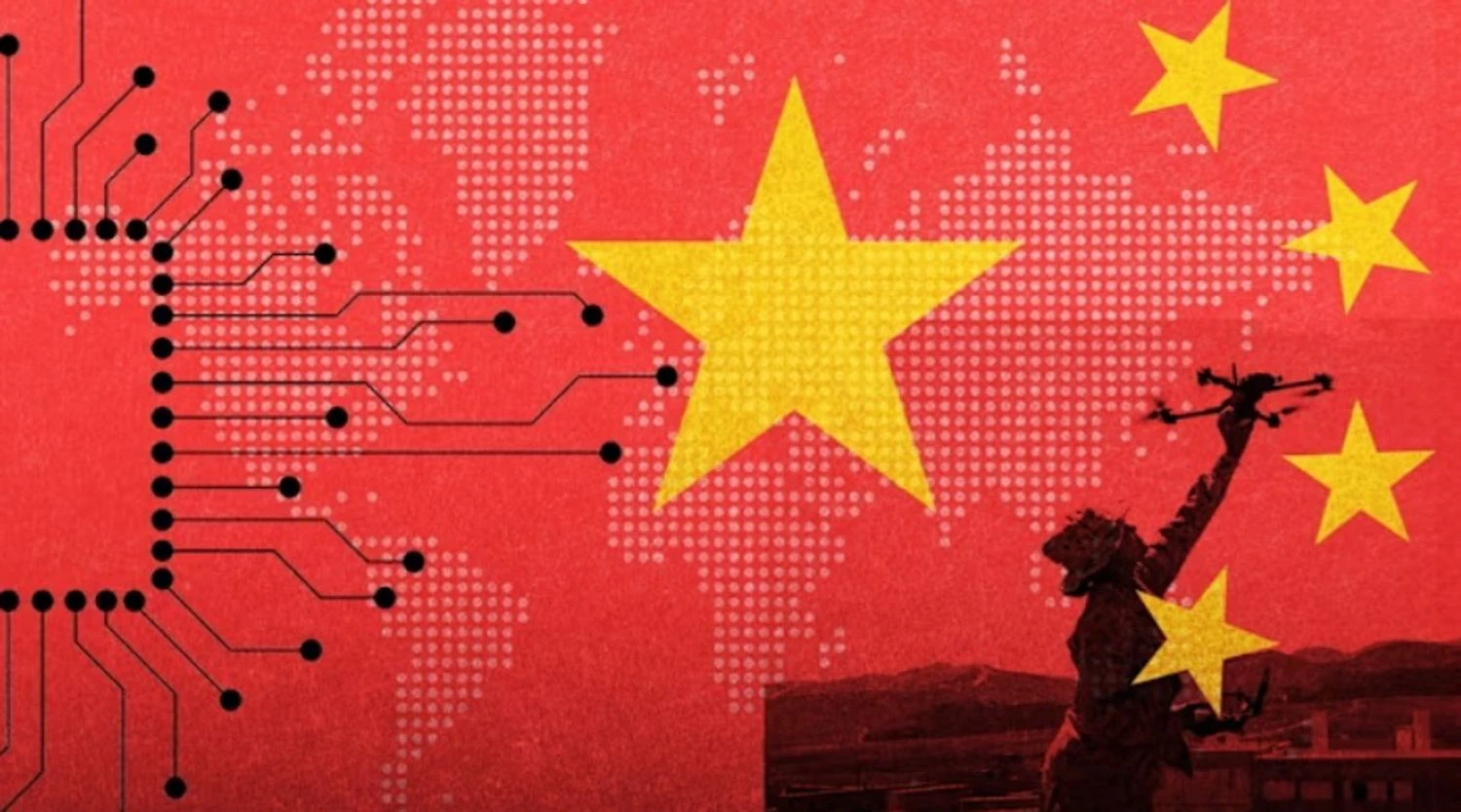
Negotiations have commenced between the US Department of Defense and major technology corporations aimed at creating sophisticated artificial intelligence systems. These systems are designed to identify weaknesses within China’s power grids and utility infrastructure, as reported by the Financial Times and referenced by UNN.
Details
This new initiative seeks to dramatically enhance digital intelligence and mapping capabilities. The goal is to equip the American military with the ability to swiftly incapacitate enemy systems in the event of conflict. However, the unfolding plan faces significant pushback from Washington, especially concerning ethical considerations about the use of these AI technologies in offensive operations.
Conflict between Government and AI Developers
The White House has issued a stark ultimatum to Anthropic, cautioning that existing contracts may be terminated or technologies seized if the company does not comply with the military’s use of the Claude model.
The tension has arisen from developers’ calls for restrictions on the use of AI in autonomous weaponry and mass surveillance systems. In contrast, the Pentagon demands “unlimited use” without constraints. Employees at OpenAI and Google share similar concerns, yet the US government argues that, to deter China’s advancements, the military cannot afford to be constrained.
Technological Superiority and the Automation of Cyber Espionage
Former high-ranking officials from the CIA assert that leveraging AI will facilitate a significant expansion in scanning sensitive networks, potentially replacing numerous human specialists with automated processes. This approach operates like a thief testing countless locks until identifying an unguarded entry point into the enemy’s infrastructure.
Key targets will include power plants located adjacent to data centers, as disabling these could undermine China’s own AI capabilities, providing a crucial advantage in future combat scenarios.
### Conclusion
As the US Department of Defense collaborates with tech leaders to harness artificial intelligence, concerns about ethical implications and military pressures are intensifying. The initiative highlights the growing intersection of technology and warfare, revealing both the opportunities and moral dilemmas that lie ahead.