Introduction
Since its introduction in 2012, the 5:2 diet, popularized by Dr. Michael Mosley’s book The Fast Diet, has captured considerable attention in the wellness community. This approach to intermittent fasting involves eating normally for five days and limiting calorie intake for the remaining two. While intermittent fasting gained traction by 2018, especially among those in midlife, recent studies have raised questions about its efficacy and safety. This article explores one personal trainer’s experience with intermittent fasting and her reflections on its impact, especially during the transitional phase of perimenopause.
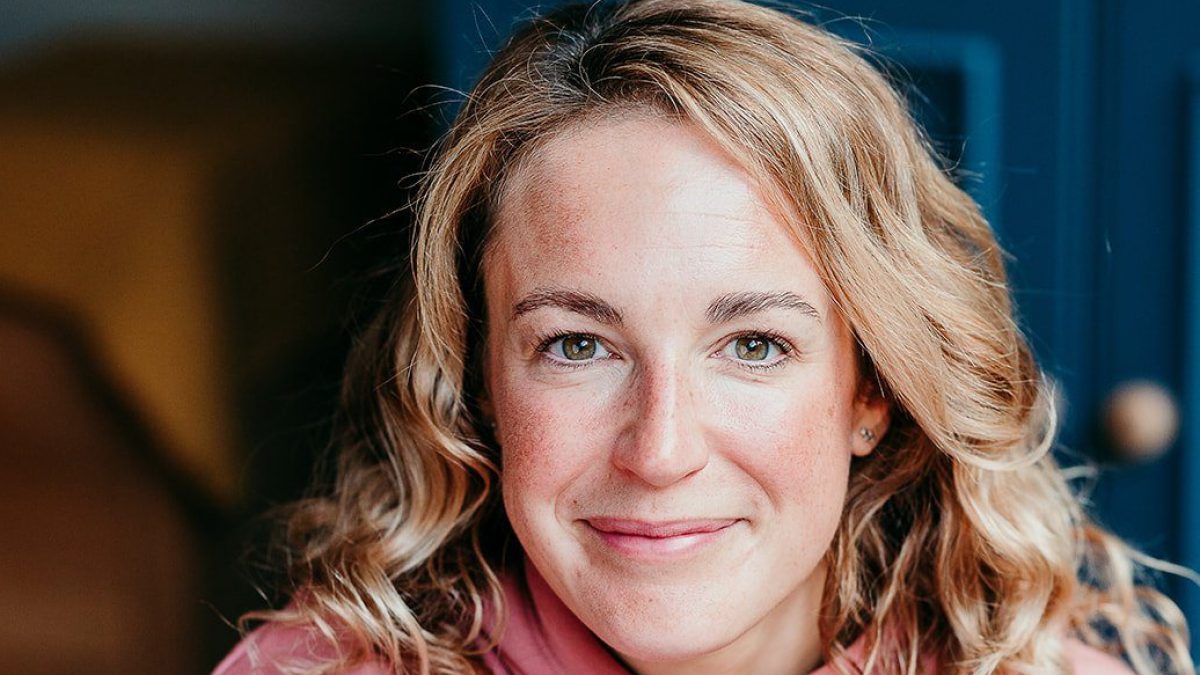
Carly Corrigall, 44, a personal trainer from Surrey, first began recognizing symptoms of perimenopause, such as brain fog, fatigue, and weight gain, after turning 40. Like many others, she was recommended intermittent fasting as a possible solution to alleviate her symptoms, leading her to explore this widely discussed method.
As a trainer primarily working with midlife women, I frequently test the latest trends mentioned by my clients. Intermittent fasting has gained a reputation as a go-to solution for weight management and addressing various hormone-related issues, making it a common topic of discussion in my sessions.
My own exploration of intermittent fasting began in 2022, coinciding with the rise of emerging research suggesting its benefits in enhancing concentration, brain function, glycaemic control, and body composition. I was particularly intrigued by findings related to gut health and the process of autophagy, which involves cellular self-cleaning during fasting periods. In my quest for personal insight and knowledge for my clients, I aimed to mitigate my own perimenopausal symptoms.
The prospect of long-term health benefits from intermittent fasting was immensely appealing. The concept seemed straightforward: by restricting my eating to a limited window, I could feel rejuvenated and enhance my overall health. However, reality proved to be quite different.
I opted for a 10-hour eating window paired with a 14-hour fasting period. Instead of condensing my meals as the guidelines suggested, I found myself skipping breakfast to align with the schedule. As a busy mother, my mornings were hectic, and this change ultimately led to unexpected challenges.
My goal was to wait until 10 or 11 a.m. to eat, but adhering to that timeline was increasingly difficult. Juggling family responsibilities and client appointments left me feeling more like I was skipping meals rather than fasting. This approach disrupted my hunger signals and instinctual eating patterns, creating unnecessary stress.
Initially, I leaned on caffeinated drinks during my fasting hours, but this only amplified my anxiety and frustration. The weight of planning my meals and adhering to the strict schedule became overwhelming. As I skipped breakfast and settled for a substantial brunch, I often felt uninterested in subsequent meals, leading to a detrimental cycle of hunger and discomfort.
Despite continuing with the intermittent fasting regimen, my energy levels plummeted. I was actively training for a running event, yet my performance suffered significantly, and I struggled to meet my fitness targets. It was demoralizing, especially since I had expected to thrive under this new eating pattern.
As fatigue set in, I found myself falling asleep on the couch each evening, yet I stubbornly persisted with the fasting strategy. My mornings became a source of dread, as I clung to hope that it would eventually become more manageable. Instead, I developed severe heartburn, likely due to prolonged periods without adequate nutrition. My evenings were riddled with hunger and irritability, making the experience increasingly bleak.
Initially determined to maintain this regimen for six weeks, I reached my breaking point after four. As I battled persistent exhaustion, coughs, and mouth ulcers, it became clear that fasting was not conducive to my well-being. I recognized that the signs were evident—it simply wasn’t the right fit for my body.
By the end of my trial, I hadn’t observed any positive changes; no weight loss or improved feelings. Once I resumed listening to my body’s hunger cues, I experienced a significant shift in my mindset. I felt calmer and regretted my long stint of fasting.
My experience is not unique; I hear similar sentiments from the women I work with. The societal pressure to adhere to such protocols can lead to feelings of guilt and confusion when things don’t go as planned. I often found myself questioning my commitment and ability to follow the guidelines correctly, leading to self-doubt and frustration.
Looking back, I’m shocked at how much I deviated from the foundational advice I offer to my clients regarding nutrition. I disregarded the importance of proper fueling before and after workouts and failed to heed the red flags my body was signaling. My determination to “succeed” led me to overlook the nuanced nature of this dietary approach, especially concerning women’s health.
However, my journey taught me important lessons. While I remain intrigued by autophagy, I’ve realized that later dinners do not suit me personally, as I prefer to have a gap between eating and sleeping. I now prioritize proper nutrition before and after my workouts, embracing the need to fuel my body for optimal performance. Reflecting on this phase, I feel a sense of relief that I have moved on and adopted a more balanced approach to eating.
Conclusion
Intermittent fasting can be a powerful tool for some, but it is vital to recognize that it may not be suitable for everyone. Understanding your body’s needs and listening to its signals is crucial for achieving personal health goals and well-being. By sharing these experiences, we can empower one another to find the best paths that suit our individual lifestyles and health circumstances.