Introduction: In an era where artificial intelligence (AI) is rapidly transforming the workplace, lawmakers in Michigan are stepping up to ensure that workers’ rights are protected. With AI systems becoming more integrated into daily operations, a new legislative initiative aims to provide guidelines on its use in the workplace. This article explores the recent developments surrounding the Responsible AI Security for Employees Act, spearheaded by Representative Penelope Tsernoglou.
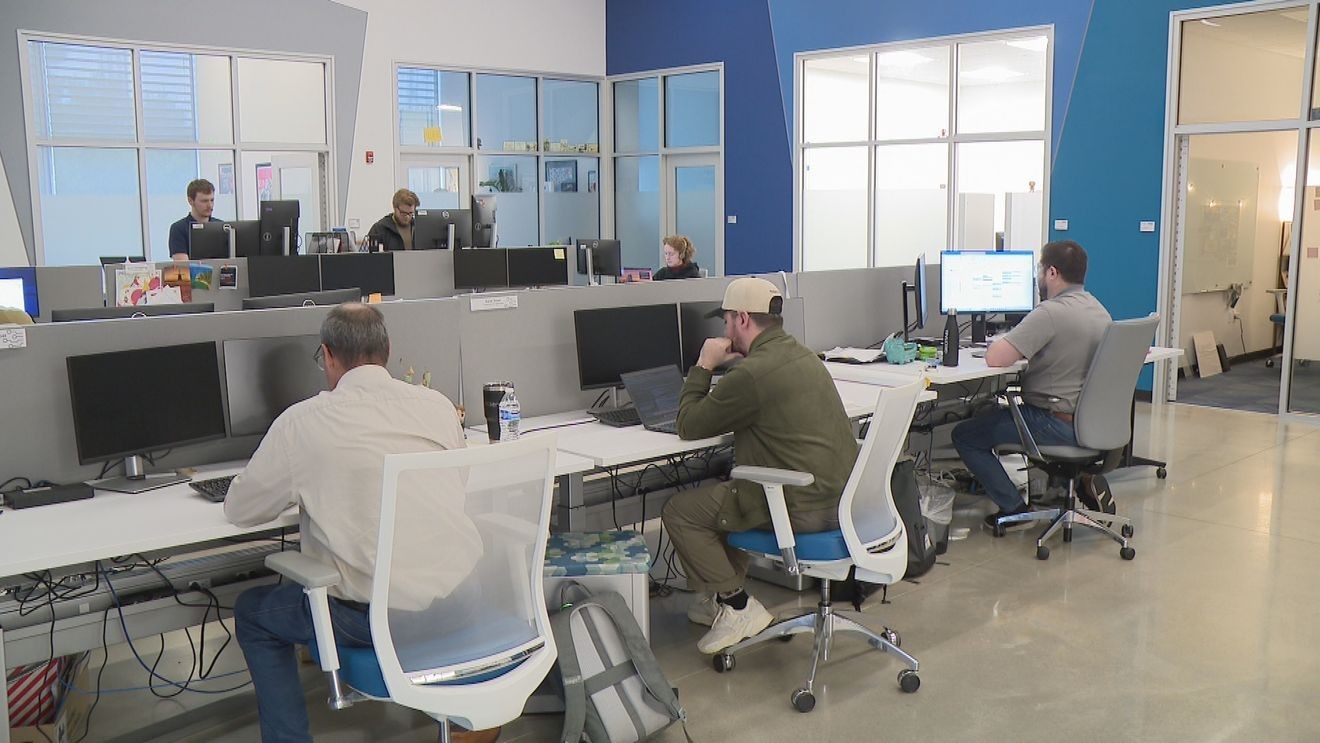
LANSING, Mich. — As AI technology becomes increasingly prevalent in the workplace, one Michigan lawmaker is collaborating with unions to establish regulations governing its use. On Thursday, Burger King revealed its introduction of an AI chatbot assistant named “Patty.”
“Patty” is designed to collect operational data and deliver information to employees; however, it also monitors how staff interact with customers, assessing behavior and reporting it to management. To address concerns about such surveillance, Rep. Penelope Tsernoglou (D-East Lansing) has introduced the Responsible AI Security for Employees Act, also known as the “RAISE Act.”
Tsernoglou expressed her concerns, stating, “In many instances, this does not accurately reflect employee performance or productivity. It’s becoming excessively intrusive and must be regulated.”
A survey conducted by Express VPN found that 74% of U.S. employers employ online monitoring tools, while 67% have implemented technologies such as facial recognition and fingerprint scanning. Supporters of the RAISE Act contend that AI has exacerbated these invasive practices, with some instances even monitoring employees’ restroom breaks.
“Workers are feeling anxious; the economy is tough for many, and this adds to their worries,” said Ron Bieber, President of the Michigan AFL-CIO. “We need protective measures for workers concerning these issues.”
The RAISE Act outlines specific guidelines for how employers can utilize monitoring tools:
- Mandatory notification to employees
- Prohibition of using monitoring data for employment decisions
- Limitations on the data that employers can collect and its intended use
- The right for employees to contest any claims made by AI systems
“AI has the potential to achieve remarkable feats and offers valuable tracking capabilities,” Tsernoglou noted. “Yet, there are numerous aspects that should not be monitored. We need to pause, reflect, and assess whether these practices are infringing on employees’ comfort and privacy.”
Union leaders emphasize the necessity of proactive measures to prevent unchecked AI surveillance in the workplace.
“We aim to be ahead of these developments to ensure that AI doesn’t operate without oversight, which could strip workers of their freedoms,” Bieber added.
At present, the RAISE Act lacks Republican support, although some members are currently reviewing the proposal. Employers are also being consulted during this legislative process.
Conclusion: As AI technologies continue to evolve, the potential for overreach in employee monitoring becomes a pressing concern. The RAISE Act represents a critical step toward ensuring that workers’ rights are safeguarded, promoting a balanced approach to the integration of AI in the workplace. The legislative journey ahead will determine how effectively these protections can be implemented.