The Rise of Daytime Fitness Culture: A Shift in Social Connection
For years, nightlife served as a defining characteristic of social culture in the United States. Friday nights were synonymous with happy hours and late-night outings, while Saturdays often revolved around recovery before gearing up for round two. Sundays were generally reserved for either reflecting on indulgences or seeking redemption through relaxation. However, this narrative has shifted dramatically. Nowadays, Saturday mornings are dedicated to personal records (PRs), long runs, cold plunges, and coffee meet-ups, with daytime rituals taking center stage.
As cities increasingly embrace wellness, particularly fitness-centered locations like West Palm Beach, the emergence of alternative beverages—such as THC seltzers, adaptogenic drinks, and nootropic blends—marks a significant cultural shift in how people celebrate life.
From Escapism to Optimize Health
Jason Ashton, the founder of Last Rep, acknowledges the growth of wellness-oriented social activities. “We’re noticing a significant uptick in fitness-based events, extending beyond just daytime activities,” he notes, highlighting the increased popularity of run clubs and social gatherings during weekdays and weekends.
Nate Fochtman, the founder of FreeMind Group, asserts that when shifts in behavior occur across various demographics, it signals a realignment rather than a fleeting trend. “This isn’t about abandoning fun; it’s about prioritizing energy, performance, and recovery,” he shares.
Ashton and Fochtman observe that nightlife, which was historically based on escapism, is being supplanted by a community focused on optimizing health and wellness. Tara Oporto, CEO of Enchantra, frames this change in generational terms, explaining, “People seek connections that enhance their lives rather than those that necessitate recovery.”
For Gen Z, who often did not shape their identities around nightlife, social interactions are more likely to revolve around organized daytime activities such as group fitness sessions, coffee outings, and local farmers’ markets. Meanwhile, Millennials and Gen X are recalibrating their priorities. With time and energy becoming increasingly scarce, these generations value feeling good the next day more than short-lived enjoyment.
The integration of hybrid work schedules, wearable technology, and mental health awareness only amplifies this transition. Concepts like ‘brain fog’ have tangible consequences, making clarity in one’s lifestyle a pressing priority.
What Do Consumers Want: Function or Identity?
As the market for alternative beverages continues to grow, consumers are faced with a choice: are they drawn to the ingredients’ functionality, or the identity these drinks provide? Industry experts assert that it’s a combination of both.
“Consumers tend to operate with a broader understanding rather than a clinical one,” Ashton explains. Movements such as Dry January and Sober October create initial behavioral momentum, often leading to greater awareness down the line. Oporto adds that most consumers respond more to societal signals than to detailed evaluations of product ingredients.
Interestingly, the broader market tends to prioritize identity. In performance communities, the choice of beverage reflects discipline and self-control. While ingredients may validate these choices, the underlying identity drives behavior.
Fochtman likens this trend to the past rise of electrolyte-based drinks, stating, “Functionality brings them in, but identity keeps them engaged.” Today, beverages serve as social signals.
The Reallocation of Vice
Recent data shows a notable decline in alcohol consumption in the U.S., reaching its lowest rates in 90 years, with about 54% of adults reporting that they drink—down from 67% in previous years. Meanwhile, the wellness market has surged, now estimated at $500 billion.
Ashton notes this trend represents a “reallocation of vice.” The money once spent on cocktails might now be diverted to THC seltzers or recovery sessions. Fochtman confirms this shift, highlighting areas where funds are being redirected, including:
- Boutique fitness studios
- Recovery services
- Supplements
- Performance beverages
- Community events
However, Oporto emphasizes that not all who reduce their alcohol intake will reinvest in wellness; motivations behind drinking matter significantly. If someone valued the ritual aspect of drinking, alternatives might feel genuinely fulfilling. But if they drank mainly for intoxication, substitutes may seem less appealing.
This transition reflects not just an economic shift but also a psychological one.
Experience the Future of Drinking at AltBev Expo
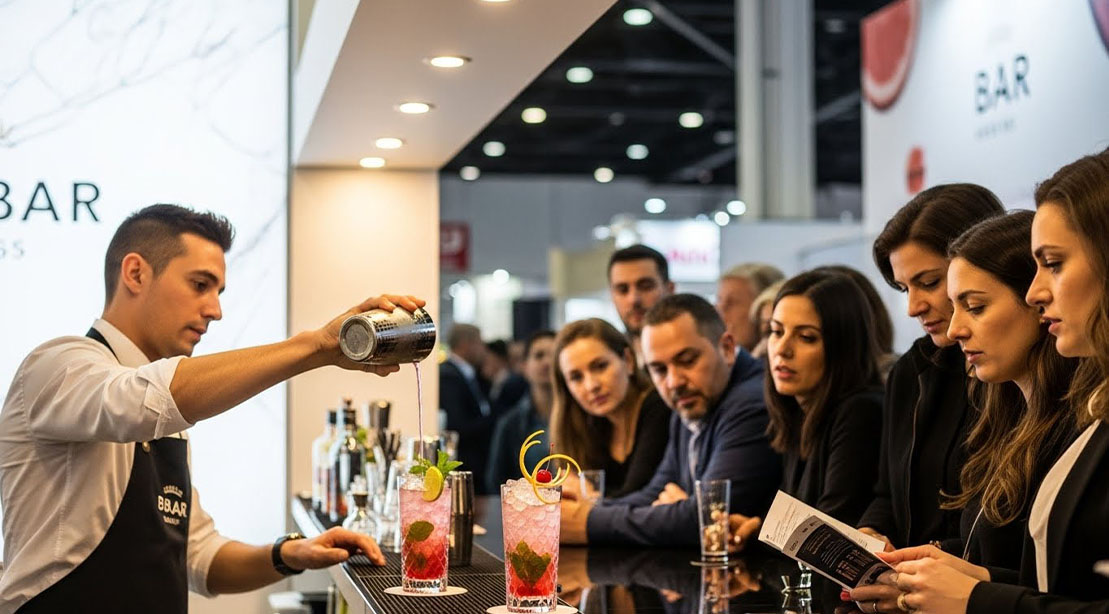
As social landscapes evolve, industry leaders are coming together to shape the future of alternative beverages. The AltBev Expo, happening on February 27-28, 2026, at the Palm Beach County Convention Center in West Palm Beach, aims to spotlight the burgeoning alternative beverage market. This two-day event will feature taste-testing, mixology demos, educational discussions, and networking opportunities. Attendees can explore a wide range of products, from low- and no-alcohol options to cognitive wellness drinks.
Experiential components will include a 5K run, guided fitness classes, yoga sessions, and wellness activations like cold plunges and saunas.
The overarching theme of the event is clear: consumers are not abandoning drinking; they are evolving how they engage with beverages.
Conclusion: Choosing Connection and Wellness
Alternative beverages are reshaping social life, not replacing it. Today’s consumers are not choosing between socializing and optimal performance; they’re embracing both. In a culture where recovery, clarity, and longevity are becoming essential metrics, the future of social drinking may be defined less by alcohol and more by how these choices support our well-being the next day.
For more information on tickets, exhibitors, and event schedules, visit the official AltBev Expo website.