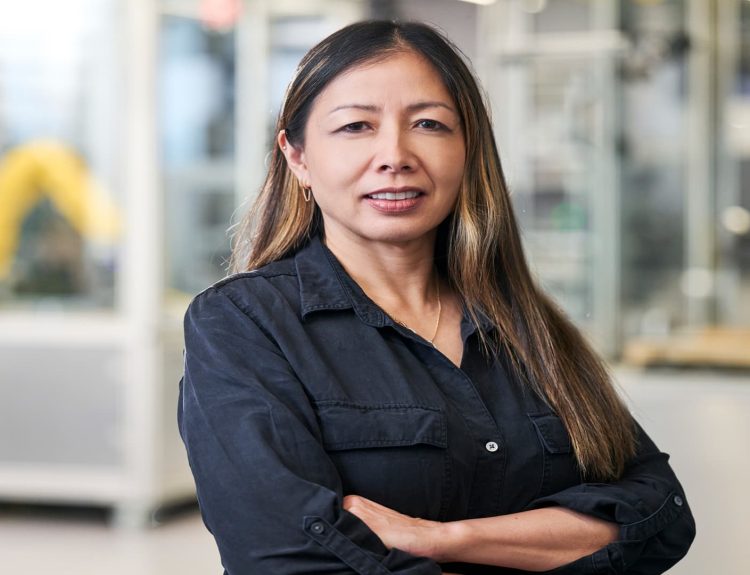
In the midst of a whirlwind of AI news focused on efficiency and infrastructure, former Google software engineer Gary Sheng injects a refreshing dose of fun with Peon Ping.
This innovative plugin integrates with Claude Code, offering playful video game sounds when the AI poses a question, requires approval, or sits idle. It allows developers to multitask on their computers without the constant need to monitor terminals or ensure that their expensive AI remains productive.
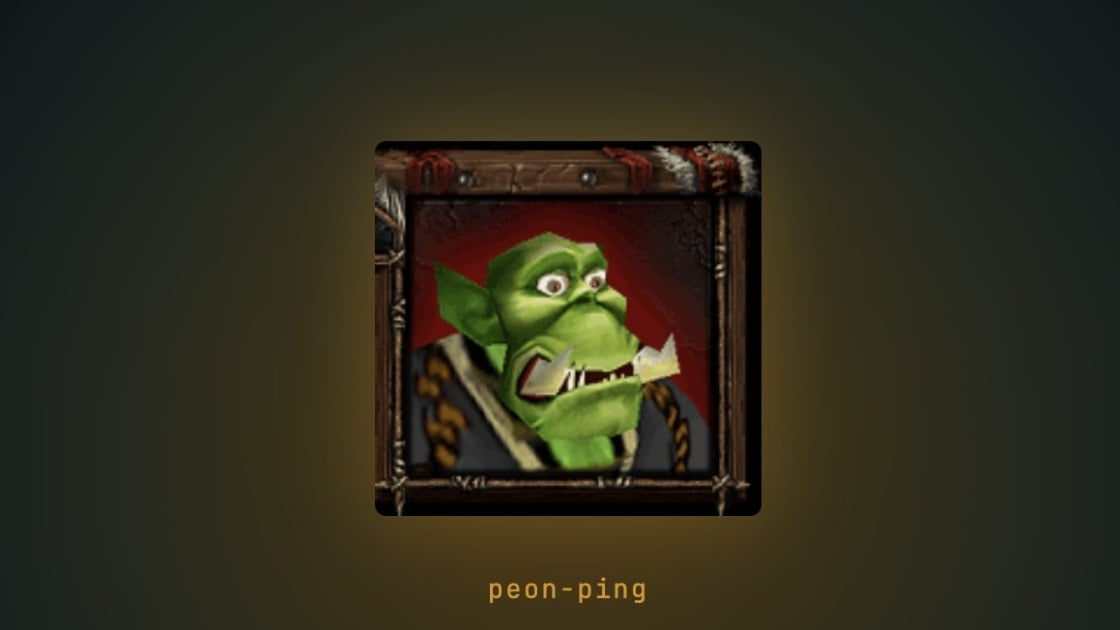
Available for free on Microsoft-owned GitHub, this open-source tool features sounds from over 100 video games and movie franchises. However, the standout sounds come from its namesake: Warcraft III. In this game, the peons are iconic characters known for building villages and mining resources, often repeating phrases like “Work, work,” “What do you want?” and “Something need doing?”.

(Credit: Peon Ping)
Growing up, my siblings and I often mimicked these phrases as inside jokes, trying our best to imitate their deep, croaky voices—much like a froggy version of Yoda. The nostalgia associated with these sounds remains cherished by many today. “It’s akin to hearing your favorite childhood songs that you can’t forget,” Sheng reflects. “They linger in your memory, attaching a certain emotional significance.” He fondly recalls playing Warcraft III’s Defense of the Ancients (DOTA).
Interestingly, the Peon Ping project was a family endeavor. Sheng’s brother, Tony, conceived it in just an hour, making it available on GitHub as an open-source project. “It’s probably the most absurd thing I’ve ever shipped,” Tony remarked in a now-viral tweet that garnered 3,600 likes. “And according to everyone who’s used it, it’s also incredibly useful.”
Afterward, Tony passed control of Peon Ping to Gary, who now manages its enhancements and expansion while juggling his full-time role as the founder of the Applied AI Society. He estimates that it currently has about 100,000 users, with its popularity surging following a feature on Hacker News and integration into Visual Studio Code (VS Code)—the go-to development environment for an estimated 50 million developers.
This Tweet is currently unavailable. It might be loading or has been removed.
Open Source As a ‘Democratizing Force’ for AI
Though Peon Ping may appear simple, it aligns with a broader trend potentially transformative for the AI landscape. Independent open-source projects are gaining traction as developers experiment and innovate, unexpectedly influencing the industry’s direction. A prime example is OpenClaw, a viral AI agent that accumulated 236,000 stars on GitHub, leading its creator, Peter Steinberger, to join OpenAI. “If you’re a builder, it’s an incredible time,” Steinberger says.
“Open source can democratize access,” Sheng emphasizes. He notes that while companies like Anthropic and OpenAI often guard their trade secrets fiercely, open-source projects provide similar resources for free. “This creates pressure on these companies to keep their prices competitive, as there’s always a viable open-source alternative.”
Based in Austin, Sheng doesn’t anticipate Peon Ping becoming his primary focus or a source of income. Rather, he views it as a contribution to the ongoing exploration of integrating AI into daily life. He further explains that open-source projects can rapidly normalize new ideas. “Not long ago, sounds weren’t part of the experience when using Claude Code. Now, it’s commonplace to receive audio notifications when your AIs finish tasks. Many users are paying substantial amounts for these computing resources, so wasted idle time equates to lost value.”

Get Our Best Stories!
Your Daily Dose of Our Top Tech News

By clicking Sign Me Up, you confirm you are 16+ and agree to our Terms of Use and Privacy Policy.
Thanks for signing up!
Your subscription has been confirmed. Keep an eye on your inbox!

A peon desktop companion stays alert when the terminal is working and snoozes when it’s idle. (Credit: Gary Sheng)
Additionally, Sheng has introduced a desktop animation of a peon that hovers in the corner of the screen, evoking memories of Microsoft’s Clippy. This peon types on a laptop while the AI is active and dozes off when idle. He has also refined the Peon Ping code to enhance accessibility and assist users in creating “packs” of their favorite sounds from franchises like Age of Empires or The Sopranos. As Sheng notes, the momentum of open-source projects can quickly fade without ongoing improvements and user engagement.
From Dancing Pineapples to Peons

Gary and Tony Sheng in a rural village in China. (Credit: Gary Sheng)
Sheng’s experience includes building both offline and online communities, albeit not of the kind one might expect from a Google-trained AI developer. Between 2015 and 2019, he led Dancing Pineapple, a SoundCloud community focused on “tropical house music” that amassed a following and eventually transformed into live raves in New York City and Los Angeles.
“It’s quite random, right?” he laughs. “But it was fantastic, fulfilling a personal desire to curate that music for myself.”
Recommended by Our Editors
Additionally, in 2017 he established an online community called Woke Folks, aimed at exposing police brutality. Reflecting on the name, he says, “It was clearly of its time,” likely acknowledging the evolving political implications surrounding the term “woke” since then. While dance parties and activism might not appear to be direct pathways to creating a Claude Code add-on, these hobbies have equipped him with the skills to foster Peon Ping’s development.
“I spend a lot of time thinking about how to leverage my innate talents and honed skills,” he shares. The same sentiment applies to his brother Tony, whom Gary describes as a “super gamer nerd” with a knack for product management and coding. Peon Ping perfectly aligns with Tony’s hobbies and interests, but they both agreed that Gary’s background in community building and software engineering positions him best for scaling the project: “Taking on Peon Ping genuinely fits my entire background.”
The longevity of Peon Ping remains to be seen. (Currently, many users are sourcing audio files from YouTube for their packs, which may lead to copyright concerns.) Regardless, Sheng is committed to further exploring AI tools.

Sheng sends me a digital ‘thank you letter’ created with his OpenClaw agent. (Credit: Gary Sheng)
After our conversation, he sent me a unique message on LinkedIn: a digital “thank you” card crafted with his OpenClaw agent. A link took me to a new tab, where I encountered an animation of a golden letter that opened to reveal a note accompanied by soothing music. The card invited me to respond with a few clicks, allowing me to record my reply using my phone and choose a fitting soundtrack. Truly awesome.
“It’s going to keep getting more fun and bizarre, that’s for sure,” Sheng concludes.
About Our Expert

Emily Forlini
Senior Reporter
Experience
As a news and features writer at PCMag, I cover significant tech trends that shape our lives and work. My focus is on ground-level reporting, revealing stories from individuals at the heart of change—whether it’s a CEO of a thriving startup or an everyday person challenging Big Tech. I also report on daily tech news and breaking stories, providing context for a comprehensive understanding.
My transition to journalism followed a career in Big Tech on the West Coast, granting me an intimate view of software functionality and evolving business strategies. Armed with a master’s in journalism from Northwestern University, I combine my insider knowledge with reporting skills to explore the pressing question: Where is this all heading?