Press Release: Launch of Open Carbon Data Project
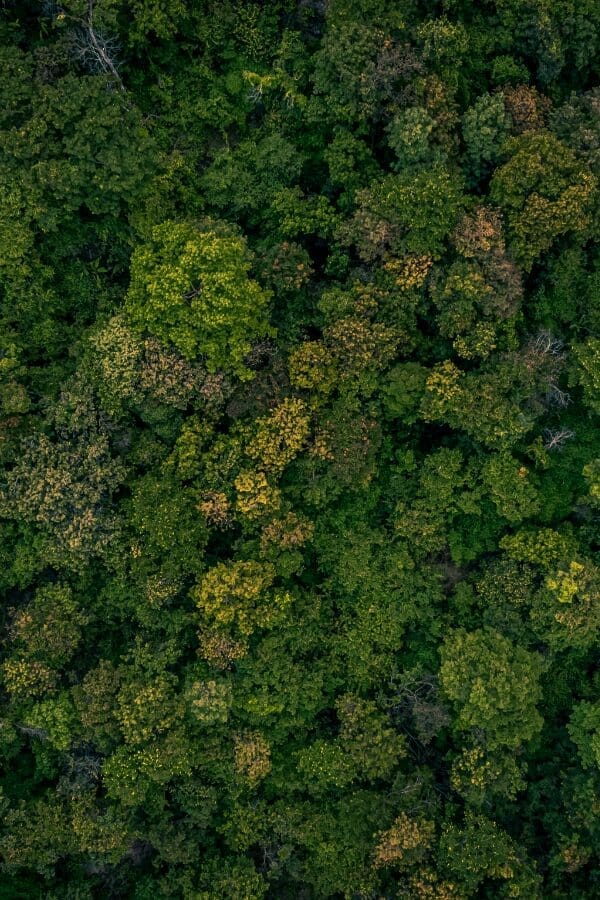
London / New York / São Paulo | July 30, 2026 – Sylvera has officially launched the Open Carbon Data Project, a groundbreaking initiative to generate high-resolution, open-access forest carbon data from the Brazilian Atlantic Forest. This project is funded by a combined $900k from The Rockefeller Foundation and Meta, and is a collaboration involving the World Resources Institute, Symbiosis Coalition, and various Brazilian research institutions.
Objective:
The primary aim of the project is to overcome the significant challenge of limited trusted, scientifically robust data essential for effective measurement, reporting, and verification in carbon markets. By providing accurate forest carbon stock data, the initiative hopes to lower entry barriers for carbon market participation, especially for smallholders and community-led projects, and build investor confidence to boost financing for forest restoration and conservation.
“Allister Furey, CEO of Sylvera, stated:** “Carbon markets cannot scale without trust, and trust starts with ground truth data. Our work blends field measurements with advanced remote sensing to establish a solid foundation of biomass data required for transparent and scalable carbon markets.”
Importance of Quality Data:
Carli Roth, Director of Innovative Finance at The Rockefeller Foundation, emphasized the need for high-quality, accessible data as critical infrastructure for scaling nature-based climate finance. “This initiative demonstrates how open, accurate data can unlock investment opportunities, allowing local stakeholders equitable access to capital crucial to their communities.”
Methodology:
The Open Carbon Data Project will utilize digital monitoring, reporting, and verification (dMRV) systems alongside advanced airborne and ground-based techniques to establish credible datasets. Data collection is expected to be completed by Q3 2026, with the dataset aimed for release in Q4 2026 under a CC BY 4.0 open license, ensuring free access for global developers, registries, policymakers, and researchers.
Supporting Quotes from Local Partners:
-
Prof Deborah Faria from UESC: “This initiative will provide accurate estimates of carbon stocks in Bahia’s Atlantic Forest and cocoa agroforestry systems, benefiting local producers.”
-
Prof Daniel Piotto, also from UESC: “Our collaboration with Sylvera will enhance carbon stock estimates while promoting scientific exchange and training in advanced research methods.”
Global Implications:
The dataset aligns with efforts to create sophisticated verification systems critical for scaling nature-based solutions. This initiative will have implications for enhancing existing forest monitoring tools like the Meta and WRI canopy height maps.
About Sylvera:
As a leading carbon intelligence firm, Sylvera leverages proprietary data and advanced analytics to assess over 27,000 projects globally, supported by notable investors such as Balderton Capital and Salesforce Ventures.
Contact:
For more information, visit Sylvera’s website or reach out to our press team.
This announcement discusses a significant step towards bolstering transparency and credibility in carbon markets, crucial for addressing climate change effectively.