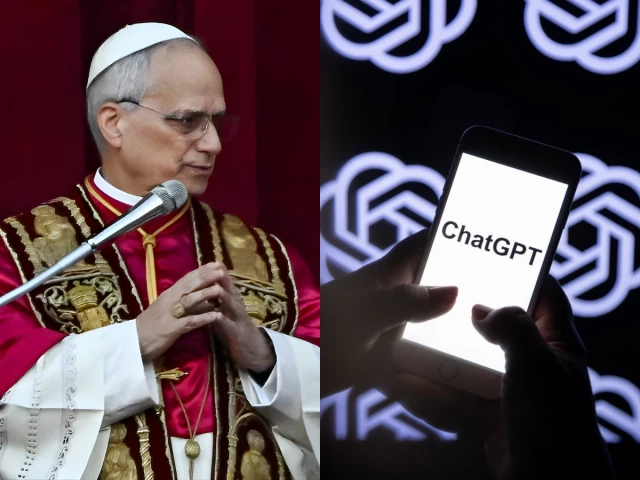
In a world increasingly shaped by technology, the challenge of maintaining authentic spiritual connections becomes more significant. Pope Leo XIV has recently voiced concerns about the reliance on artificial intelligence in religious contexts, particularly when it comes to sermon preparation.
Pope Leo XIV has cautioned clergy against utilizing artificial intelligence tools, such as ChatGPT, for crafting their sermons, emphasizing that AI can never replicate genuine faith or personal experience.
During a gathering with the clergy of the Diocese of Rome, the Pope highlighted the expanding influence of technology on everyday life and warned against depending on it for spiritual guidance.
As reported by Vatican News, he referred to the temptation of relying on AI for sermon creation as a potential pitfall, arguing that assigning homilies to machines could diminish a priest’s intellectual rigor.
“Like all the muscles in the body, if we do not use them, if we do not move them, they die. The brain needs to be used, so our intelligence must also be exercised a little so as not to lose this capacity,” he articulated. “Delivering a true homily involves sharing faith, and AI will never be capable of conveying that essence.”
The Pope emphasized that preaching goes beyond mere structure or presentation; it is fundamentally about authenticity, stemming from personal belief and conviction.
“If we can provide a service that resonates with the culture of our parish, people want to witness your faith and your personal experience of knowing and loving Jesus Christ,” he said.
These comments reflect the Pope’s broader concerns regarding the impact of emerging technologies. He has previously discussed the swift rise of AI chatbots and virtual influencers, cautioning that such innovations could threaten genuine human relationships if not approached thoughtfully.
In conclusion, Pope Leo XIV’s insights serve as a timely reminder of the importance of maintaining authentic human connections in an increasingly digital world. The call to uphold personal faith and experiences resonates deeply, urging clergy and believers alike to prioritize genuine relationships over technological shortcuts.