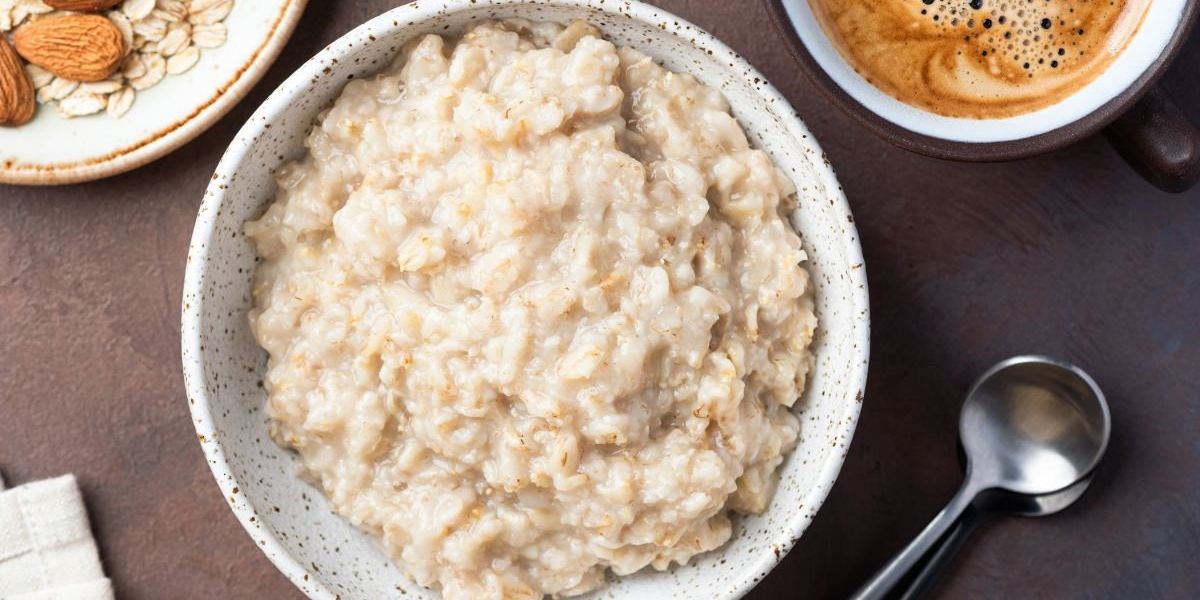
Recent findings reveal that consuming oatmeal as the primary diet for just 48 hours can lead to a remarkable 10% decrease in harmful LDL cholesterol levels. This significant result emerged from a clinical trial conducted by researchers at the University of Bonn.
Published in the journal Nature, the study specifically targeted individuals with metabolic syndrome – a health condition marked by excess weight, elevated blood pressure, increased blood sugar, and irregular blood fat levels.
“The reduction of harmful LDL cholesterol by 10% is quite significant, though it may not directly compare to the effects produced by modern medications,” noted Marie-Christine Simon, a junior professor at the University of Bonn’s Institute of Nutritional and Food Science.
The trial included 32 participants, both men and women, who adhered to a strict diet of boiled oatmeal over two days. They consumed a total of 300 grams of oatmeal daily, divided into three meals, with only minimal portions of fruits or vegetables permitted alongside.
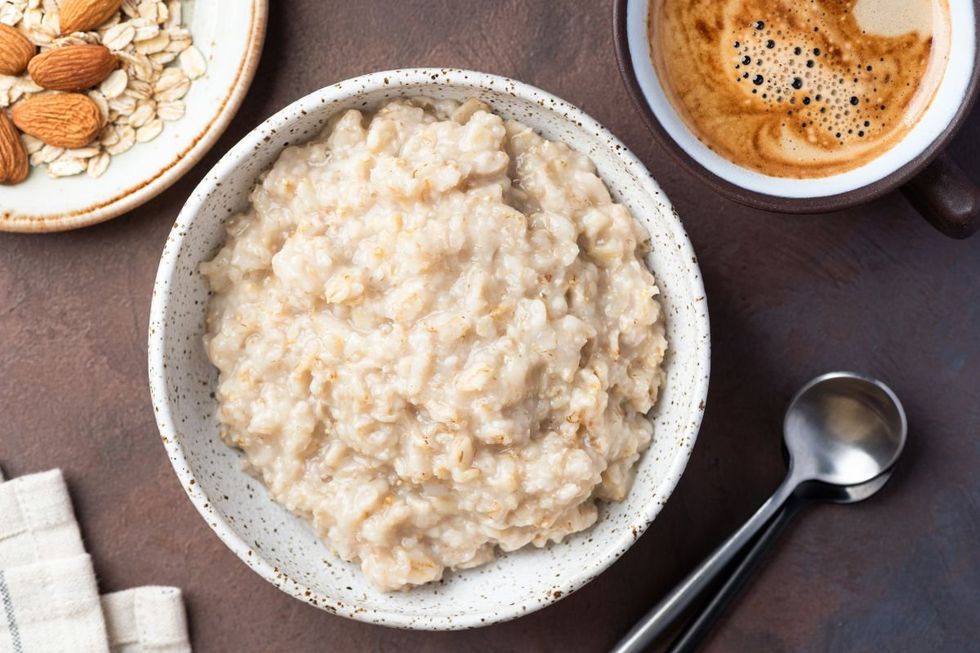
Participants consumed boiled oatmeal three times daily, complemented only by small servings of fruits or vegetables.
|
GETTY
Importantly, participants also reduced their usual calorie intake by approximately 50%. A control group similarly lowered their calorie consumption but did not include oatmeal in their diet. While both groups benefitted from calorie reduction, those consuming oatmeal showed greater improvements.
In addition to the drop in cholesterol levels, participants following the oatmeal regimen lost an average of two kilograms and observed a slight decrease in blood pressure.
Elevated LDL cholesterol levels can lead to the formation of dangerous plaque in the arteries, significantly increasing the risk of heart attacks and strokes.
To uncover the underlying reasons for these impressive outcomes, researchers investigated the gut microbiome.
“Our analysis revealed that oatmeal consumption enhances the population of specific beneficial bacteria in the gut,” explained the study’s lead author, Linda Klümpen.
These gut bacteria play a crucial role in breaking down oats and generating beneficial compounds during the process.
“For instance, we found that intestinal bacteria produce phenolic compounds as they metabolize oats,” Klümpen pointed out. “Previous animal studies indicate that one of these compounds, ferulic acid, positively influences cholesterol metabolism.”
Moreover, these beneficial microbes assist in clearing the amino acid histidine, which can be converted into a substance associated with insulin resistance.
The positive effects were not short-lived either; participants continued to exhibit improvements up to six weeks after the two-day oatmeal intervention.
“Implementing a short-term oat-based diet at regular intervals could be a sustainable approach to maintain cholesterol levels within a healthy range and help prevent diabetes,” Simon concluded.

High LDL cholesterol is associated with the risk of dangerous plaque build-up in the arteries.
|
GETTYHowever, the intensity of the approach plays a crucial role. When participants opted for a gentler method, consuming only 80 grams of oatmeal daily for six weeks without any calorie restrictions, the results were significantly less remarkable.
Looking ahead, researchers are keen to explore whether repeating this intensive oat regimen every six weeks could provide lasting defense against diabetes, reflecting a revival of similar dietary strategies utilized by German physicians over a century ago.