In an effort to reform the Supplemental Nutrition Assistance Program (SNAP), recent legislative actions in South Dakota aim to restrict the use of SNAP funds for purchasing soft drinks. This initiative has sparked both support and opposition from various stakeholders, highlighting a broader discussion about nutrition and fiscal responsibility.
Governor’s Position
As of now, the governor has not indicated whether he will veto the proposal to ban the use of SNAP dollars for soft drinks.
Legislative Overview
Lawmakers recently approved a bill that seeks a federal waiver to exclude sodas from eligible purchases under the taxpayer-funded SNAP program.
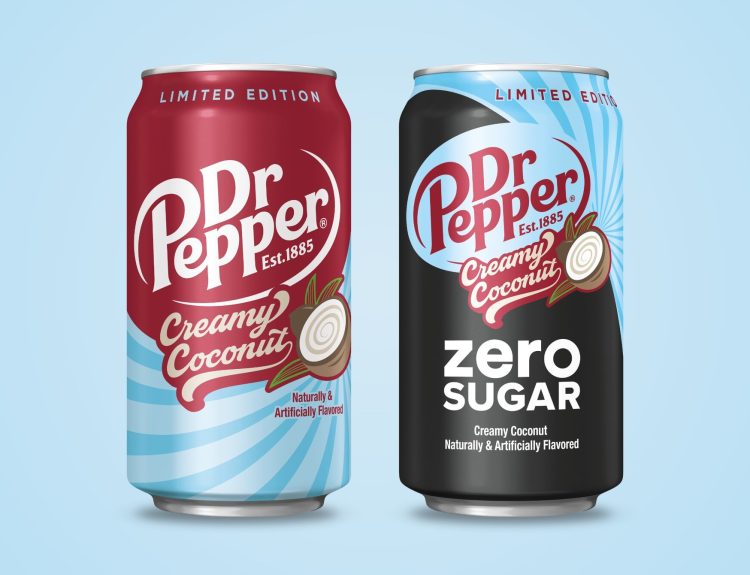
House Bill 1056 mandates that the South Dakota Department of Social Services request a waiver to prohibit soft drinks from the federal SNAP program. If granted, this would ban “soft drinks” containing natural or artificial sweeteners for SNAP recipients in South Dakota within six months. Certain products, such as milk and milk substitutes, would not be included in this ban. This legislation follows the lead of at least 18 other states that have pursued similar waivers.
Support and Opposition
The bill passed in the Senate with a vote of 27-6 in favor of SNAP reform. Republican Senator Sydney Davis is the primary sponsor in the Senate.
“This is a taxpayer-funded program. It has the word nutrition in it,” Davis stated during Senate discussions. “We should start aligning the program with nutritional items.”
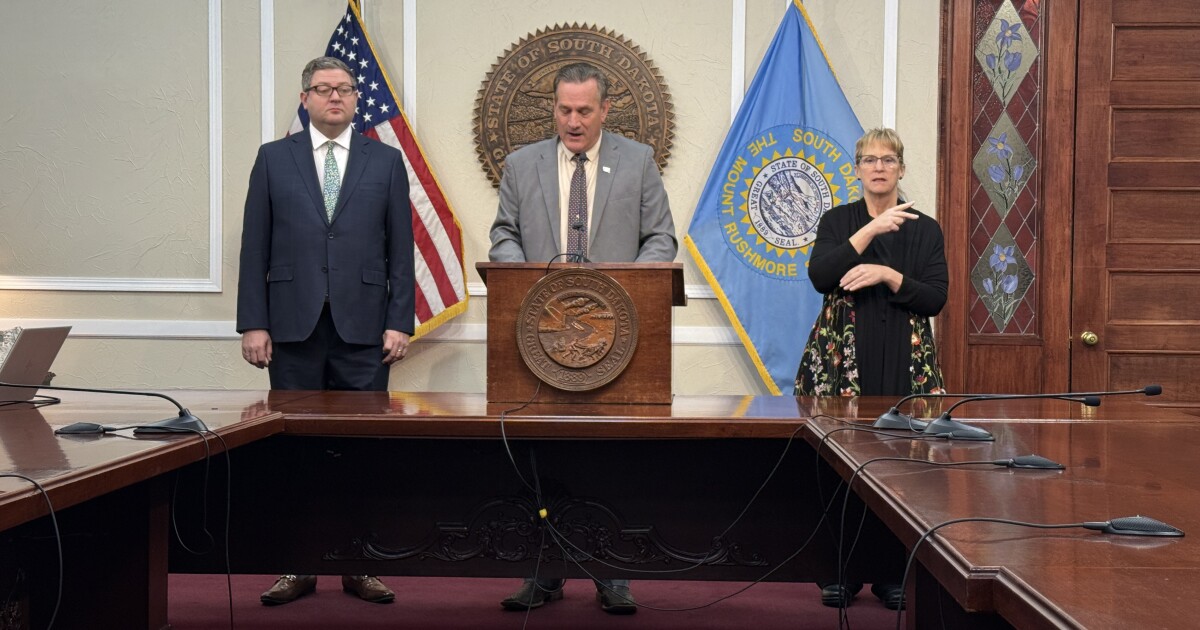
In the House, the vote was 58-11 in favor. Both legislative chambers passed the bill with margins sufficient to potentially override a gubernatorial veto, which remains a consideration. Governor Larry Rhoden’s office expressed opposition as the bill progressed, citing concerns over the administrative costs involved: the Legislative Research Council estimates it could exceed $300,000 in the next two years, with nearly $250,000 annually thereafter.
Governor’s Comments
Governor Rhoden articulated his support for SNAP reform but labeled the bill as a bailout for the federal government. He remarked, “It’s almost like we’ve accepted the dysfunction in D.C. and the people that are running things in D.C. and just giving them a pass to try and fix a problem that they created. And then spend state dollars, our tax dollars basically to supplement a federal problem because the feds are dysfunctional.”
Rhoden has not yet disclosed his decision regarding either signing or vetoing the bill.
Potential Impact
Advocates for the bill suggest that the state could realize cost savings through a reduction in diet-related diseases among SNAP recipients who are also enrolled in state-funded Medicaid programs. Approximately 78% of individuals on Medicaid in the state also receive SNAP benefits.
Key Takeaways
- The governor has not yet decided on the potential veto of a bill banning SNAP funds for soft drinks.
- House Bill 1056 requires a federal waiver to exclude soft drinks from SNAP purchases in South Dakota.
- The proposal has passed both legislative chambers with support sufficient for a potential veto override.
- Proponents argue the bill may lead to improved public health outcomes and cost savings.
- Governor Rhoden refers to the bill as a federal bailout, criticizing its administrative costs.
FAQ
What is the main goal of House Bill 1056?
The bill aims to request a federal waiver to exclude soft drinks from eligible purchases under the SNAP program in South Dakota.
Why is there opposition to the bill?
Opponents, including the governor’s office, are concerned about the administrative costs associated with implementing the proposal.
What products would be banned under this legislation?
The bill seeks to ban soft drinks containing artificial or natural sweeteners but excludes some products like milk and milk substitutes.
How do proponents justify the bill?
Advocates argue that the bill can lead to healthier choices among SNAP recipients and reduce diet-related healthcare costs.
What is the governor’s stance on SNAP reform?
The governor supports the idea of SNAP reform but criticizes this particular bill as an unnecessary financial burden.