The recent modifications to the Supplemental Nutrition Assistance Program (SNAP) under President Donald Trump’s “One Big Beautiful Bill Act” are expected to have significant financial implications for Louisiana in the years to come. These changes add layers of complexity to program management, affecting not only the state’s budget but also the lives of many recipients.
Impacts of Federal Changes on SNAP
For participants, eligibility requirements have changed. Individuals lacking legal status will no longer qualify for benefits. Furthermore, while veterans have had work requirements eliminated, these obligations now extend until recipients reach the age of 65.
Jan Moller, the executive director of Invest in Louisiana, emphasized that these adjustments may lead to increased paperwork for recipients, potentially jeopardizing their access to benefits.
“Experiences from other states show that many who lose benefits due to work requirements are often eligible but fail to complete the necessary paperwork punctually,” Moller explained.
Gina Plata-Nino, the SNAP director at the Food Research and Action Center, pointed out that these changes further complicate administration, putting additional strain on staff tasked with managing the program.
“This means the state is investing more money, time, and personnel to effectively administer the program,” Plata-Nino noted.
Moreover, starting in October, states will bear a greater financial burden to manage the program. Previously, the federal government covered nearly half of these costs—primarily associated with reviewing applications and processing payments. This contribution is anticipated to fall to around 25%.
Utilizing administrative costs from 2023, this change is projected to result in at least a $50 million increase. In response, Gov. Jeff Landry has proposed $42.5 million in his Executive Budget to address this financial shortfall.
Looking ahead to October 2027, states will be required to contribute to benefits based on their error rate for paperwork submissions.
An error rate encompasses any discrepancies found in submitted documentation, which can include minor details like a missing phone number for a landlord, even if an email is provided.
According to Plata-Nino, the increased administrative complexity due to these eligibility changes could result in higher error rates.
In an effort to mitigate these error rates, Louisiana has introduced a cash incentive for employees who identify them. The Advocate reports on this initiative.
Statewide Food Restrictions Change Benefits
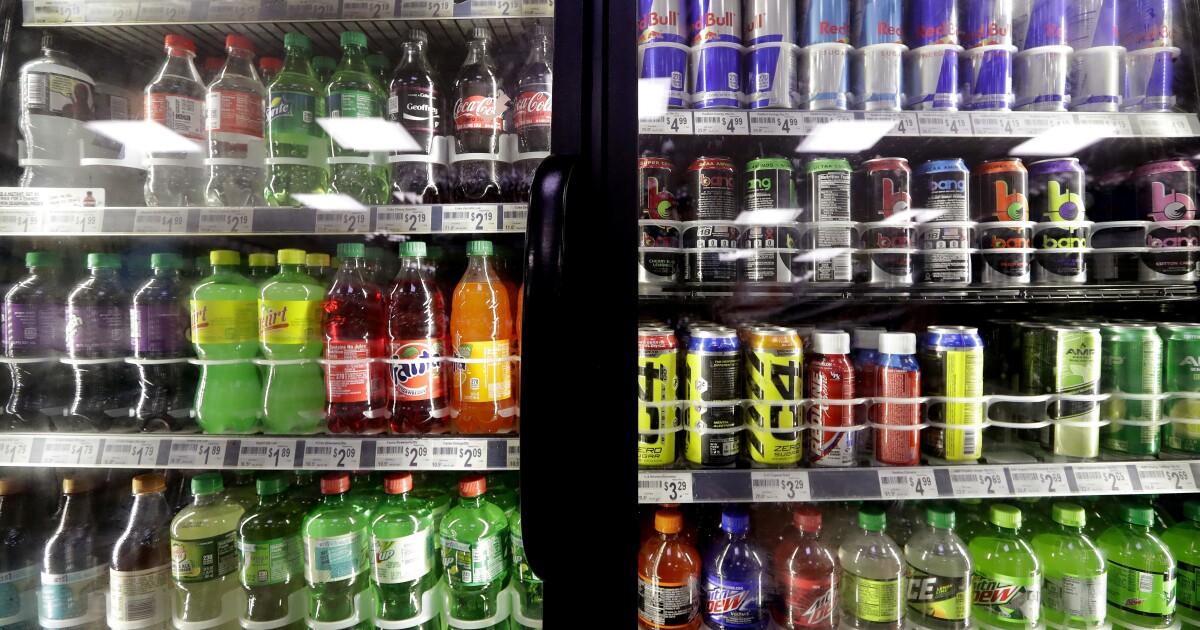
As of last week, Louisiana SNAP recipients are no longer permitted to use their cards for purchases of soft drinks, energy drinks, or candy due to state-level modifications.
The new regulations define a soft drink as a “nonalcoholic beverage containing high fructose corn syrup or artificial sweeteners.” In contrast, energy drinks include beverages designed to “enhance energy, alertness, or physical performance.” Candy is categorized as “a preparation of sugar, honey, or other sweeteners combined with chocolate, fruits, nuts, or other ingredients in the form of bars, drops, or pieces.”
Some exceptions to this regulation include carbonated water, products containing milk or milk substitutes, protein bars, and baking ingredients such as chocolate chips or sprinkles.
This program aims to encourage SNAP participants to opt for healthier food choices.
“If individuals want to enjoy a soda or a candy bar, they are welcome to do so using their own funds,” stated Bruce Greenstein, secretary of the Louisiana Department of Health. “We advocate for moderation.”
Plata-Nino highlighted that these new rules do not factor in the realities influencing consumers’ choices, such as cost or accessibility.
Additionally, there exists a program that provides supplementary SNAP funds for the purchase of healthy foods; however, it’s only available through Walmart in 13 parishes throughout the state.
Plata-Nino warned that these recent changes might prompt more local grocery stores to stop participating in the SNAP program, as the management of these updates can be prohibitively costly.
“Implementing different coding and spending additional staff time are significant costs for retailers. Many might conclude that the effort is not worthwhile,” she said.
Key Takeaways
- Changes to SNAP eligibility affect work requirements and benefits, particularly for veterans.
- Louisiana anticipates a $50 million increase in program administration costs due to federal changes.
- The state aims to reduce error rates through employee incentives for catching discrepancies.
- New restrictions limit purchases of certain sugary and energy products with SNAP benefits.
- Local grocery stores may face challenges in continuing to accept SNAP due to added management costs.
FAQ
What are the new eligibility requirements for SNAP in Louisiana?
Eligibility changes include a prohibition on benefits for individuals without legal status and modified work requirements for veterans.
How will the changes impact Louisiana’s budget?
Louisiana expects a significant increase in administrative costs ranging from $50 million due to reduced federal funding.
What are the new restrictions on SNAP purchases?
Recipients can no longer use SNAP benefits for soft drinks, energy drinks, or candy.
How does the state plan to reduce error rates in SNAP applications?
Louisiana is providing bonuses to employees who successfully identify and rectify errors in applications.
In conclusion, these sweeping changes are poised to affect both the management of SNAP and the daily lives of its recipients in Louisiana. As the state navigates this evolving landscape, the emphasis will remain on ensuring that vulnerable populations continue to receive essential support.