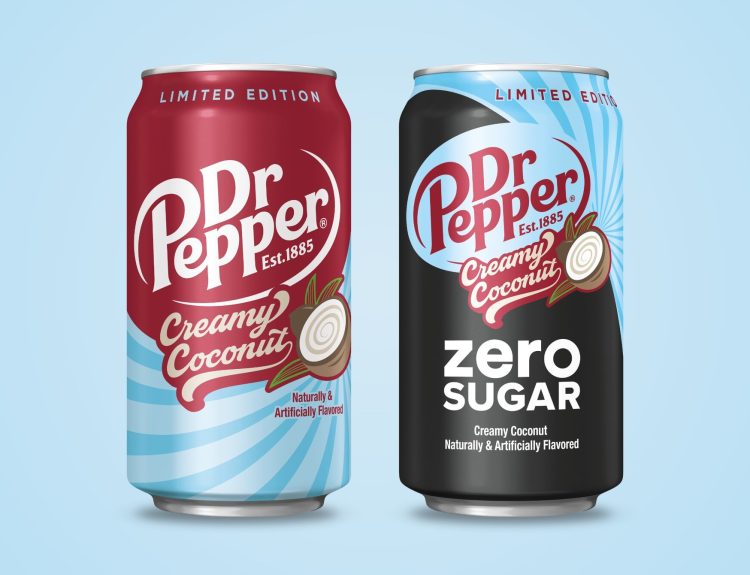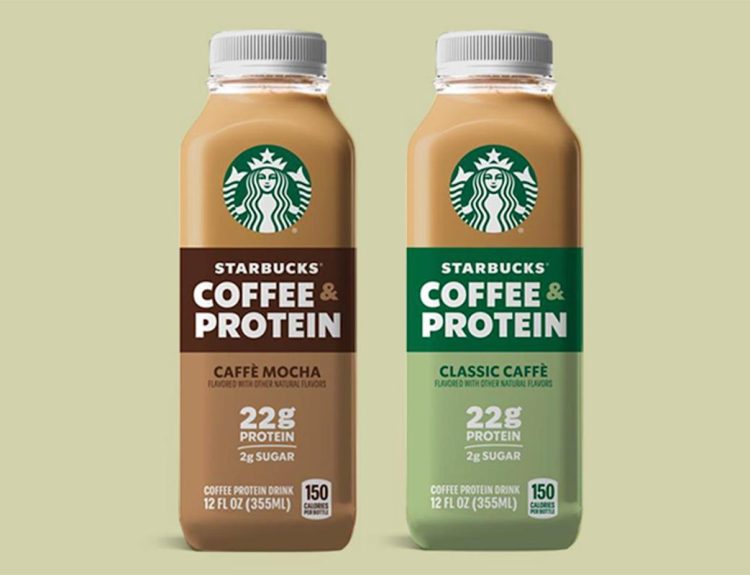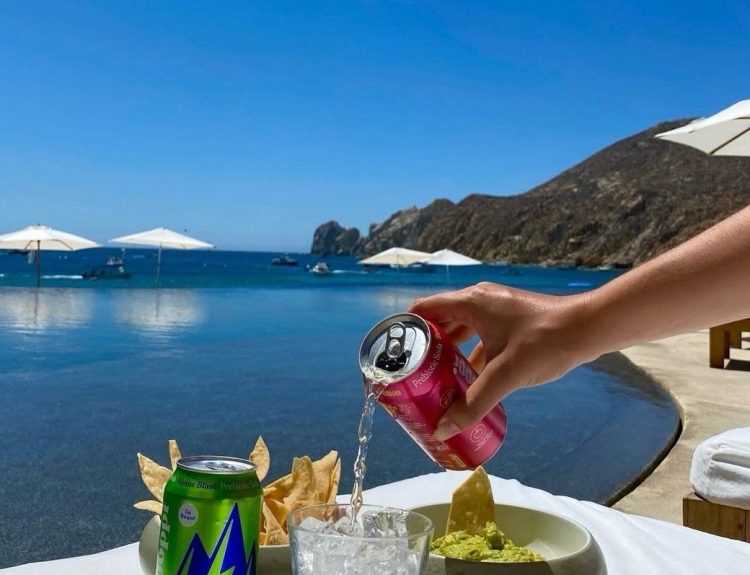
As consumer preferences shift towards healthier options, PepsiCo, Inc. PEP is strategically evolving its product lineup. The company is enhancing its functional portfolio with offerings designed to benefit hydration, protein intake, digestive health, and overall nutrition, marking a decisive move away from traditional carbonated soft drinks and salty snacks.
Functional snacks and beverages are poised to be pivotal in PepsiCo’s next growth phase, addressing the increasing consumer demand for healthier alternatives. The company is channeling investments into categories such as zero-sugar drinks, prebiotic beverages, protein-rich products, and performance hydration solutions, while simultaneously enriching its snack portfolio with improved ingredients and functional nutrition.
This shift towards a functional portfolio grants PepsiCo access to rapidly growing market segments that often allow for premium pricing and foster strong brand loyalty, thus supporting revenue growth and margin expansion. However, the competitive landscape for functional foods and beverages is fierce, as both newcomer wellness brands and established companies vie for health-conscious consumers. To achieve long-term success, maintaining product taste, upholding the integrity of health claims, and preserving brand authenticity will be essential.
Functional snacks and beverages represent a substantial growth opportunity for PepsiCo in the long run. For these products to make a significant impact and counterbalance the deceleration in traditional category growth, they must achieve substantial scale. PepsiCo’s extensive global distribution network and strong brand image provide a crucial edge, allowing efficient scaling of functional products across various markets.
PEP’s Peers: How are They Doing?
The Coca-Cola Company KO boasts a diverse global portfolio of non-alcoholic beverages, which includes carbonated soft drinks, hydration options, energy drinks, juices, dairy, coffee, tea, and functional beverages. Coke’s strategy focuses on brand-led growth, premiumization, zero-sugar innovation, and expansion into faster-growing categories. The company emphasizes strong innovations, channeling efforts into transformative product development, diversified portfolios, and robust consumer engagement.
Monster Beverage Corporation MNST is experiencing continuous growth in the global energy drink market, underpinned by robust demand in convenience stores and other key retail channels. In the third quarter of 2025, sales in the Monster Energy Drinks segment increased by 16% after currency adjustments. MNST remains committed to innovation with new flavors and health-focused products while streamlining its supply chain and implementing strategic pricing changes. Additionally, building on the success of its $1 billion Ultra brand, Monster Beverage has unveiled a new visual identity and merchandising strategy, complete with dedicated Zero Sugar coolers, alongside a viral social media campaign promoting its flagship Zero Ultra drink.
PEP’s Price Performance, Valuation and Estimates
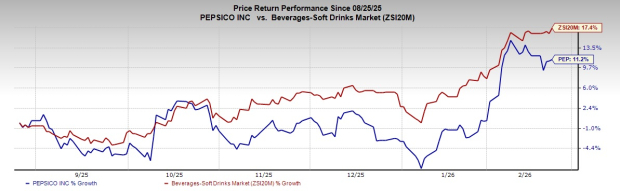
PepsiCo’s shares have risen by 11.2% over the past six months, compared to a growth of 17.4% in the industry.
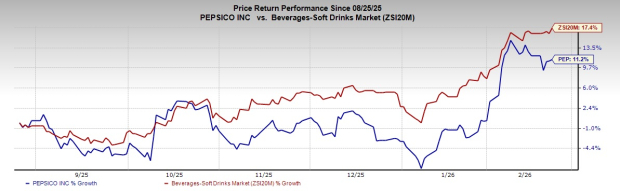
Image Source: Zacks Investment Research
From a valuation perspective, PEP trades at a forward price-to-earnings ratio of 19.09X, which is notably lower than the industry average of 20.32X.

Image Source: Zacks Investment Research
The Zacks Consensus Estimate predicts an earnings per share (EPS) increase for PEP of 5% in 2026 and 6.5% in 2027. However, the estimates for both years have seen a downward adjustment over the past month.
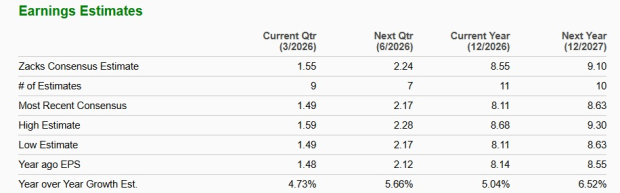
Image Source: Zacks Investment Research
Presently, PepsiCo stock holds a Zacks Rank #3 (Hold).
You can see the complete list of today’s Zacks #1 Rank (Strong Buy) stocks here.
Key Takeaways
- PepsiCo is expanding its functional product portfolio to meet rising health-conscious consumer demand.
- The focus is on beverages and snacks emphasizing hydration, protein, and digestive health.
- Intense competition exists in the functional food and beverage market.
- PepsiCo’s global distribution network provides a competitive edge for scaling new products.
- Coca-Cola and Monster are key competitors also focusing on innovation in similar market segments.
- PepsiCo’s recent stock performance has outpaced some industry rivals, though it trades at a lower valuation.
FAQ
What are functional snacks and beverages?
Functional snacks and beverages are products that offer additional health benefits beyond basic nutrition, such as improved hydration, digestive support, and enhanced protein intake.
How is PepsiCo responding to market trends?
PepsiCo is diversifying its portfolio to include healthier options, investing in zero-sugar beverages, prebiotic drinks, and protein-based snacks.
Who are PepsiCo’s main competitors?
PepsiCo’s primary competitors include The Coca-Cola Company and Monster Beverage Corporation, both of which are also focusing on health-oriented product offerings.
What indicates PepsiCo’s financial health?
PepsiCo shows moderate stock growth and a competitive forward price-to-earnings ratio, indicating stable performance in a competitive market.
What does the Zacks Rank reflect for PepsiCo?
PepsiCo currently holds a Zacks Rank #3, indicating a “Hold” recommendation among investors.
Overall, PepsiCo’s pivot towards a functional portfolio aligns with market trends favoring health-focused products and reflects its commitment to long-term growth in an evolving marketplace.