Avocado may appear unassuming, yet it is an incredibly intricate food. Botanically classified as a single-seeded berry, it is also a climacteric fruit, meaning it continues to ripen after being harvested due to its release of ethylene. A firm avocado is a sign of freshness, and you can hasten ripening by placing it alongside bananas, apples, or kiwis. This simple interaction transforms hard flesh into a buttery delight, unlocking its rich flavor and nutritional value in a way that few fruits can rival.
A fruit with extraordinary fat quality
Unlike most fruits, avocados are notably high in fat, but their fat profile is distinctly beneficial. Approximately 80% of the fats are monounsaturated, primarily comprising oleic acid—the same heart-healthy fat found in olive oil. This composition promotes healthy blood lipids, serving as a smart alternative to the saturated fats that are prevalent in many processed foods. Additionally, avocados contain some polyunsaturated fats and are free of cholesterol, making them effective for supporting cardiovascular health, particularly when used in place of less healthy fats.
“Avocado’s balanced fat profile can help improve heart markers by nudging HDL upward and easing LDL downward,” says a Béarn-based dietitian.
Due to their low sugar and moderate protein content, avocados stand out from typical fruits. For those managing energy intake or looking for lasting satiety, the fat content in avocados makes meals more satisfying and can reduce the desire to snack shortly after eating.
Micronutrients that punch above their weight
Avocados offer an impressive array of potassium, along with phosphorus, magnesium, and a hint of iron. Potassium is crucial for fluid balance and helps sustain healthy blood pressure, making avocados a wise choice for cardiovascular well-being. They also provide B vitamins—including folate—for energy metabolism and cellular repair. Coupled with natural fats, vitamin E in avocados helps protect those fats from oxidation. While they may not rival citrus fruits in vitamin C content, avocados still offer a substantial amount—more than many may expect from such a creamy treat.
This fruit is rich in antioxidants as well, particularly lutein and zeaxanthin, which concentrate in the eye’s macula and support visual function. Alongside both soluble and insoluble fibers, these compounds nourish the microbiota and promote regular, comfortable digestion.
Satiety, glycemic balance, and weight management
Avocado seamlessly fits into low-carb or low-GI diets. The fats in avocados slow gastric emptying, helping to mitigate post-meal glucose spikes when enjoyed with carbohydrate-rich foods. This effect assists in stabilizing energy levels and reduces the ups and downs of hunger and cravings. Contrary to common myths, avocados do not inherently lead to weight gain; when used in lieu of refined fats or sugary snacks, they can actually enhance appetite control.
Given their calorie density and satiating nature, portion size is still an important consideration. Many folks find that half of a medium avocado is quite satisfying, especially when paired with lean proteins, legumes, or whole grains.
Choosing, ripening, and storing like a pro
Popular varieties such as Hass and Fuerte are loved for their distinctive flavor and texture. A ripe avocado will yield to gentle pressure near the stem without being mushy. If it is still too firm, let it ripen on the counter, ideally next to ethylene-producing fruits. To slow the ripening process, place it in the refrigerator once it feels perfectly soft to the touch.
After cutting, the flesh can oxidize and turn brown. To minimize this, keep the pit intact, brush exposed surfaces with lemon or lime juice, and wrap it tightly before chilling. If the surface browns, a thin layer can be scraped away to reveal perfectly green creamy goodness underneath.
Easy, versatile ways to enjoy it
Avocado’s neutral, buttery profile makes it adaptable to both bold and delicate flavors. Explore its use in both savory and sweet preparations, allowing its fat to carry herbs, citrus, and spices across your palate.
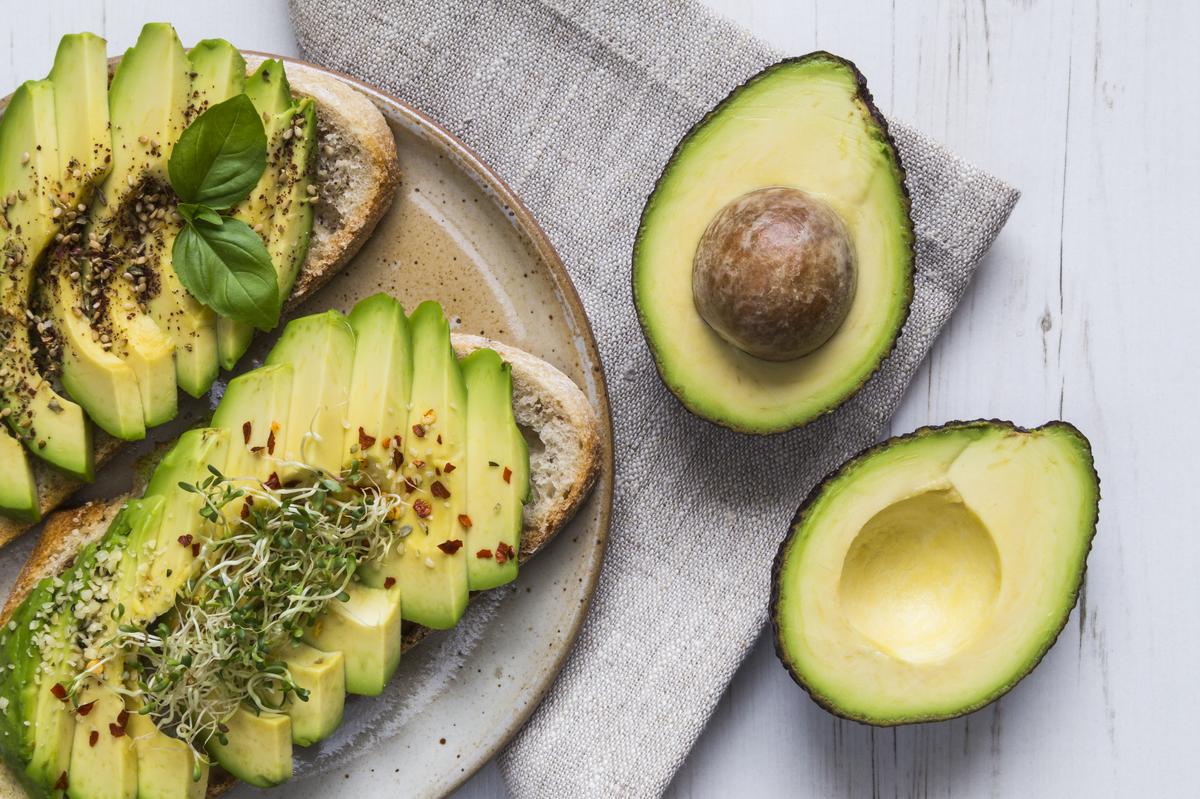
- Smash with lemon, sea salt, and herbs for a quick tartine or dip in minutes.
- Whisk into a silky green mayonnaise for fish, chicken, or grain bowls.
- Broil halves with a squeeze of lime, a sprinkle of chili, and a soft-cooked egg.
- Blend into a cacao-avocado mousse for a luscious, dairy-free dessert.
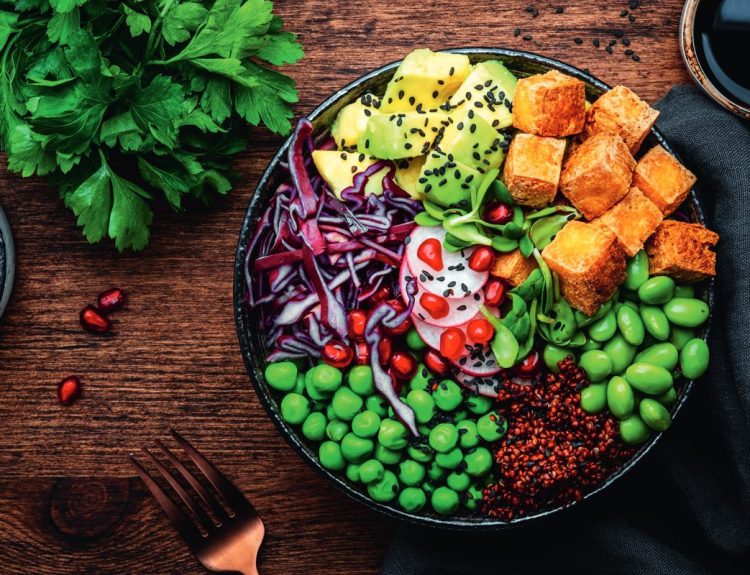
- Add cubes to citrusy salads featuring fennel, radish, and toasted seeds.
- Fold into a green smoothie with spinach, kiwi, and ginger for a silky texture.
A small fruit with a big impact
Beyond its nutritional benefits, avocado encourages mindful eating: savoring bites, enjoying creamy textures, and experiencing bright pairings that elevate simple meals. Its harmonious blend of fats, fiber, and micronutrients supports heart health and promotes lasting energy. With just a few ripening tips and creative serving ideas, this “very special” fruit can be an everyday ally—delightful for the palate as well as beneficial for overall health.