RAPID CITY, S.D. (KOTA) – On Wednesday, the Senate passed a bill aimed at seeking federal approval to restrict SNAP benefits from being used to purchase sweetened soft drinks. This legislation has sparked a debate about the implications for families and local businesses.
Proponents argue that taxpayer money should not support sugary beverages, while critics highlight the potential burden this could place on small retailers.
South Dakota senators approved House Bill 1056 with a vote of 27-6. The bill is now set to be reviewed by the governor.
House Bill 1056 directs the Department of Social Services to request a waiver from the U.S. Department of Agriculture to prevent “soft drinks” from being purchased with Supplemental Nutrition Assistance Program (SNAP) benefits. This request must be made by September 1, 2026.
Should the federal government grant this request, the state will need to implement the ban within six months. If denied, the state is required to reapply for the waiver annually until it is approved.
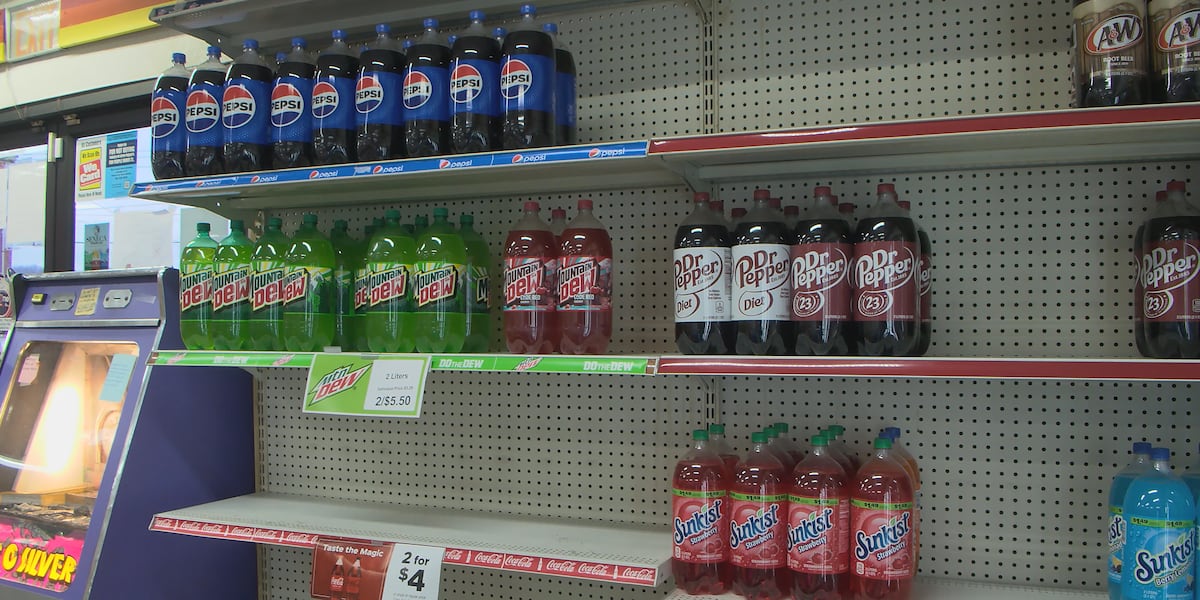
The bill defines a “soft drink” as a nonalcoholic beverage containing natural or artificial sweeteners, excluding milk products, milk substitutes, and specific WIC-approved juices.
Supporters: It’s a nutrition program, not a soda program
Sen. Sydney Davis, R-Burbank, who introduced the bill, stated that taxpayer money should not fund sugary beverages within a program designed to assist families in purchasing food.
“It’s about responsible stewardship of our taxpayer dollars and our taxpayer-funded nutrition programs,” Davis expressed.
Sen. Paul Miskimins, R-Mitchell, a former dentist, also voiced his support by sharing anecdotes from his practice. He noted that sugary drinks can lead to dental issues in children, consequently increasing public healthcare costs.
“A young mother on Medicaid brought her two-year-old twins to us,” Miskimins recounted. “They had 32 cavities and seven abscesses.”
Miskimins further described a teenage patient whose “front teeth were rotted off at the gum line,” attributing this damage to excessive soda consumption; he mentioned the teen reportedly drank “eight to ten Mountain Dews a day.”
Opponents: This could hit small towns and doesn’t touch other sugar
Sen. Tamara Grove, R-Lower Brule, expressed concerns that the bill might complicate operations for small rural stores, which often have limited profit margins.
Grove indicated that some stores may choose to stop accepting EBT if the task becomes too burdensome. She also questioned the focus on sodas while leaving other sugary products unaddressed.
In contrast, Sen. Tim Reed, R-Brookings, pointed out that retailers already update their product databases and inventory systems, suggesting that the transition would likely not be overly challenging.
Support for the bill has also come from the White House, which issued a letter stating that the purpose of SNAP should prioritize nutrition over sugary drinks.
What’s next: The bill awaits the governor’s decision.
Key Takeaways
- The Senate approved a bill to seek a federal waiver to block SNAP purchases of sweetened soft drinks.
- Supporters argue it is inappropriate to use taxpayer funds for sugary beverages.
- The bill requires a waiver request to the USDA by September 1, 2026.
- If approved, the ban must be enacted within six months.
- Opponents warn that it could negatively impact small rural stores.
- Concerns remain about why other sugary items are not included in the ban.
FAQ
What is House Bill 1056?
It is a bill that seeks federal approval to prevent SNAP benefits from being used for sweetened soft drinks.
What types of beverages are considered “soft drinks” under this bill?
Soft drinks are defined as nonalcoholic beverages containing natural or artificial sweeteners, excluding certain milk products and WIC-approved juices.
When must the waiver request be submitted?
The waiver request must be submitted by September 1, 2026.
See a spelling or grammatical error in our story? Please click here to report it.
Do you have a photo or video of a breaking news story? Send it to us here with a brief description.
Copyright 2026 KOTA. All rights reserved.