Harnessing AI for Your Fitness Journey: What You Need to Know
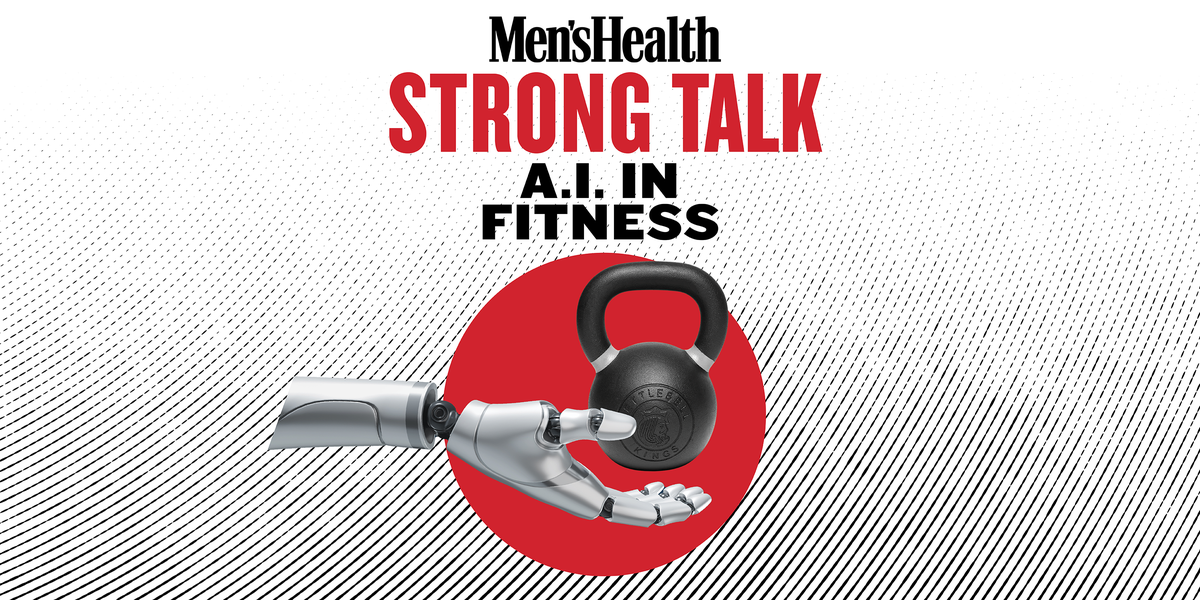
In the ever-evolving world of fitness, exciting new technologies are emerging to help you achieve your goals. The integration of artificial intelligence (AI) into workout planning is one such advancement that promises to revolutionize how you approach training. However, while the benefits are substantial, it’s important to understand the limitations of AI in fitness. Here’s a closer look at how AI can be an asset and the best ways to utilize it on your fitness journey.
The Promise of AI in Fitness
Imagine having a personal trainer available around the clock, ready to tailor workouts specifically for you. AI is not just a futuristic concept; it’s becoming increasingly integrated into fitness routines. As Mike Israetel, a sports scientist and competitive bodybuilder, notes, AI is designed to analyze data and provide personalized workout plans. With advancements on the horizon, it could soon offer adaptable coaching based on your individual progress and needs.
Limitations of AI in Fitness
While the potential benefits are enticing, it’s crucial to recognize the current limitations of AI personal trainers:
-
Lack of Human Experience: AI lacks the physical understanding that a human trainer brings. While it can generate workouts that look great on paper, it doesn’t account for the subtleties of fatigue or other physical changes you might experience. A human trainer can observe your performance and make adjustments in real time.
-
Insufficient Biomechanical Understanding: AI models currently rely more on language processing than on motion analysis. This means that while they can provide workout plans, they may struggle to fully understand the biomechanics involved in, say, squats or lunges. They are great at theoretical knowledge but lack practical experience.
-
Context Limitations: AI cannot remember everything. In a lengthy conversation or workout progression, it may forget previous details or workouts, leading to ineffective recommendations or repetitions of exercises you’ve indicated are challenging or inappropriate for you.
Practical Approaches to Using AI
If you’re interested in incorporating AI into your fitness regimen, here are two practical approaches:
-
Sample Workouts: Use AI to generate sample workout ideas without feeling the need to adhere to them strictly. While some suggestions may be unconventional or not conducive to your fitness level, AI can introduce you to new exercises.
-
Ask Questions: Think of AI as a guide for answering common fitness queries. You might inquire about training techniques or concepts rather than relying on it to define your entire workout routine. Be sure to double-check any information, as it could sometimes provide inaccurate or misleading suggestions.
For All Fitness Levels
For beginners, leveraging AI for basic fitness questions can foster greater understanding and confidence. More experienced fitness enthusiasts can use AI to explore advanced topics and engage in deeper discussions around training methodologies.
Conclusion
AI has the potential to enhance your fitness journey significantly, offering personalized insights and innovative workout suggestions. However, it’s crucial to remain aware of its limitations and use it as a supplementary tool rather than a complete substitute for human guidance. By balancing AI insights with personal experience and sometimes the help of a skilled trainer, you can create a well-rounded approach to achieving your fitness goals. Happy training!
 3 min read