Understanding Fiber Intake: Benefits and Cautions
Fiber plays a crucial role in maintaining digestive health and is a key element of a balanced diet. However, recent studies indicate that a mere 5% of Americans meet their daily fiber requirements. With this statistic in mind, many might consider dramatically increasing their fiber intake. While this trend can seem appealing, it’s important to recognize that overconsumption can lead to unintended consequences for some individuals.

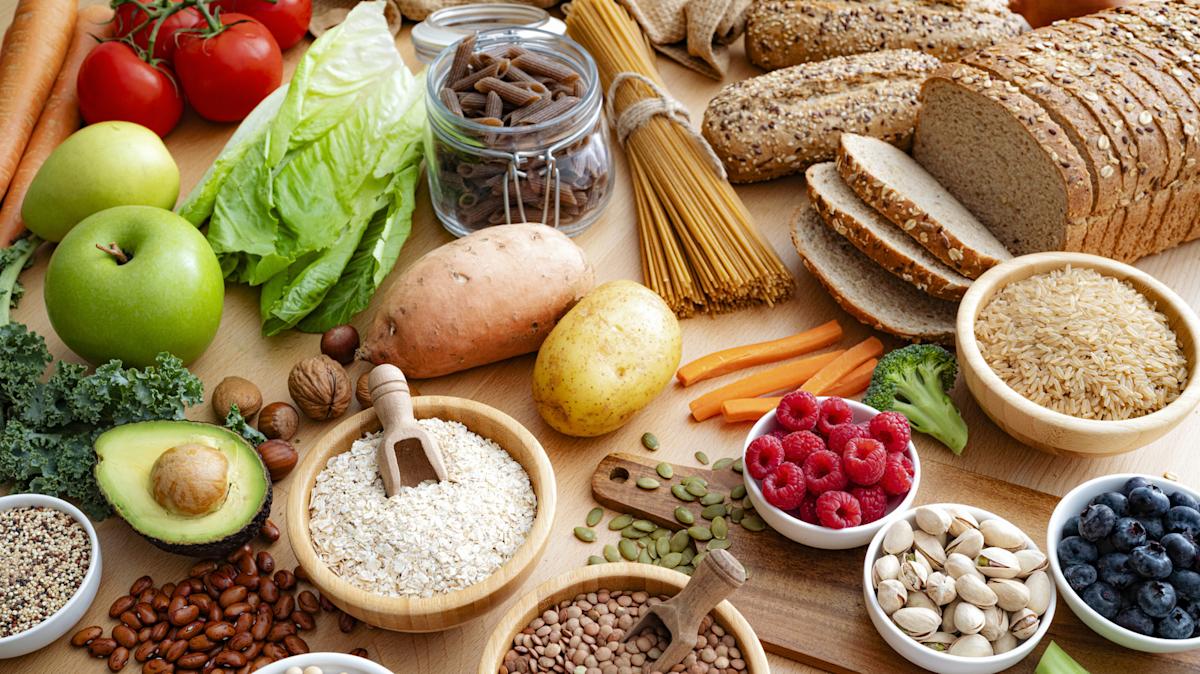
Variety of high fiber foods like whole-grain breads, beans, vegetables, and fruits – Fcafotodigital/Getty Images
Discomfort related to high-fiber diets can occur, as noted by Kathleen Benson, a certified dietitian at VNutrition. She explained to Tasting Table that increased fiber intake can result in symptoms like bloating, gas, abdominal discomfort, and sometimes constipation. In severe situations, individuals may even face intestinal blockages or difficulties absorbing essential nutrients from food.
This seems paradoxical, as fiber is typically associated with improved digestion. Benson clarifies that the issue often lies not in fiber itself, but rather in how rapidly one increases their intake. She states, “It’s not that fiber is bad; it’s more about how quickly it’s introduced and whether adequate fluid intake accompanies it.” The main takeaway is that fiber should not be shunned; it should instead be incorporated mindfully.
Read more: These 10 Canned Foods Are Healthier Than You Think
Recommended Fiber Intake

Hands holding bowl of brown rice topped with salmon and high-fiber vegetables – Alvarez/Getty Images
According to general guidelines for fiber intake, adults typically need between 25 to 38 grams daily. However, a report from Harvard Health shows that the average adult only consumes around 10 to 15 grams per day. If you find yourself falling short of these recommendations, Benson advises against drastically increasing your intake all at once. She recommends introducing about 3 to 5 grams of fiber at a time, allowing your body a week or two to adjust before adding more.
Every individual’s response will vary, so it’s essential to monitor how your body reacts to changes. Benson suggests that if you experience discomfort, you should consider scaling back slightly, improve your hydration, and ensure a variety of fiber sources instead of relying heavily on a single type.
Getting fiber from diverse foods is vital, as there are two main types of fiber: insoluble and soluble. Insoluble fiber promotes a feeling of fullness and aids in preventing constipation, while soluble fiber supports heart health and bowel function and helps to maintain steady blood sugar levels. If you need ideas on high-fiber options, check out these high-fiber foods that will fit into any diet.
Want more food knowledge? Sign up for our free newsletter to join the community of food enthusiasts refining their culinary skills one email at a time. You can also add us as a preferred search source on Google.
For further insights, read the original article on Tasting Table.