Fiber is a crucial component of a healthy diet, essential for good digestive function. However, according to studies from the American Journal of Lifestyle Medicine, only about 5% of Americans are meeting their recommended daily fiber intake. This gap might drive some to quickly replace their breakfast with high-fiber options like raisin bran and embrace the fibermaxxing trend. Yet, it’s important to recognize that an excessive fiber intake can lead to complications for some individuals.
According to Kathleen Benson, a registered dietitian at VNutrition, many people experience uncomfortable symptoms when they increase their fiber intake. She notes that typical complaints include bloating, gas, abdominal pain, and even constipation. In more severe cases, one might encounter intestinal blockages or difficulties in nutrient absorption.
This seems contradictory since fiber is supposed to aid digestion. However, Benson explains that the issue typically lies not in the fiber itself but in the sudden spike in consumption. As she puts it, “It’s not that fiber is inherently bad; it’s more about how quickly it has been increased and whether one is adequately hydrating.” Therefore, the key focus should be on how to properly integrate fiber into your diet rather than cutting it completely.
How much fiber should you be eating?

The recommended fiber intake for most adults falls between 25 to 38 grams per day. If you’ve assessed your fiber intake and found it lacking, you’re not alone: Harvard Health states that the average adult consumes only 10 to 15 grams daily. Benson warns against drastic changes in your fiber consumption, advising, “Transitioning from a low intake to your target levels overnight can be uncomfortable. I recommend increasing your fiber by about 3 to 5 grams at a time and allowing your body a week or two to adapt before raising it further.”
How your body reacts to changes in fiber will vary, so it’s crucial to listen to its signals. Benson advises, “If you experience any negative symptoms, reduce your intake slightly, stay hydrated, and ensure you’re obtaining fiber from a variety of food sources instead of depending solely on one type of high-fiber item.”
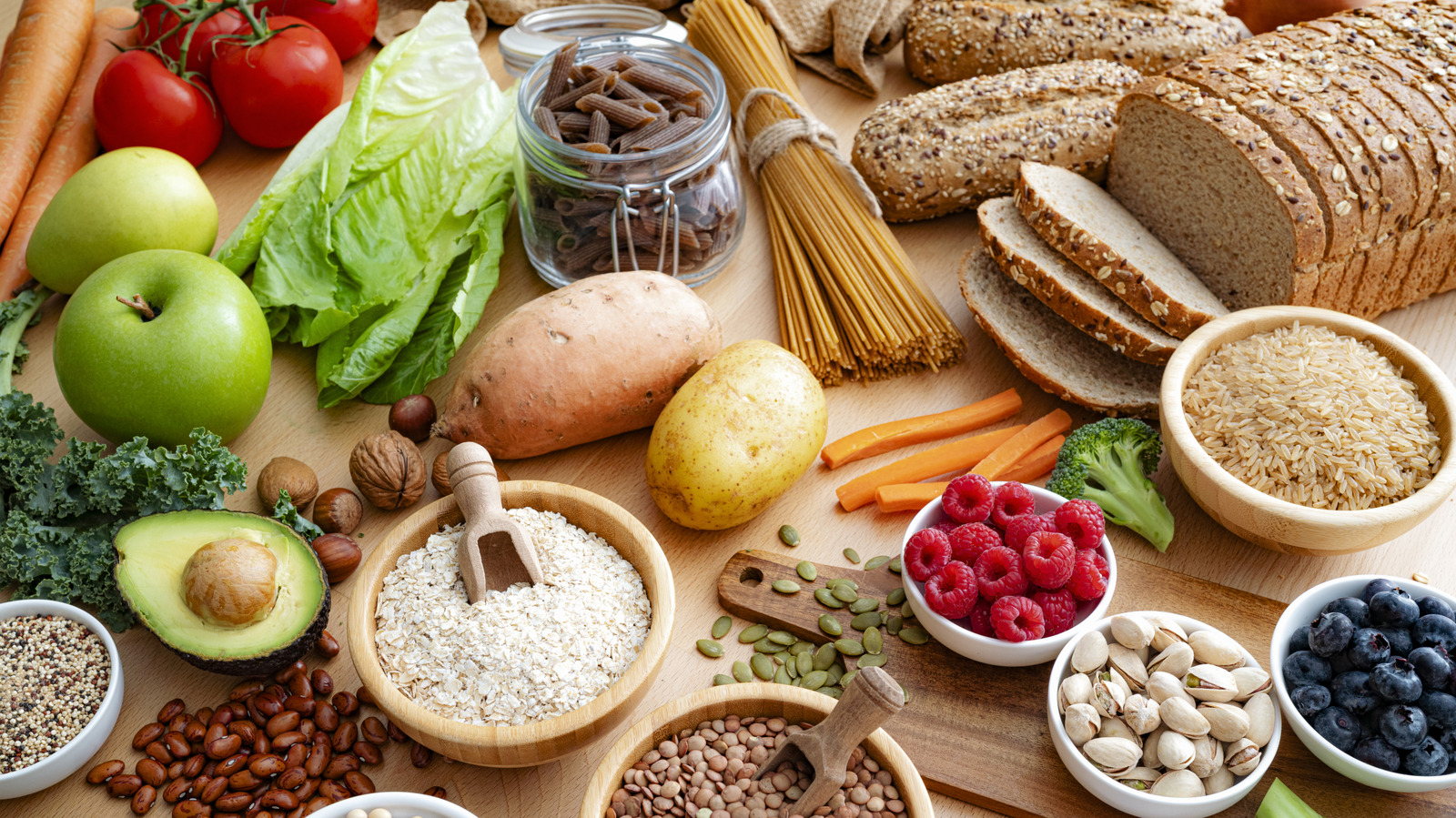
It’s also vital to consume diverse fiber sources, as there are two kinds: soluble and insoluble fiber. Insoluble fiber helps you feel full and combats constipation, while soluble fiber promotes heart health, supports bowel function, and helps keep blood sugar levels stable. If you’re unsure where to begin, explore these high-fiber foods suitable for any diet.